South Africans are bracing for one of the steepest fuel price increases in recent memory, and even the country’s top leadership admits the situation is deeply worrying.
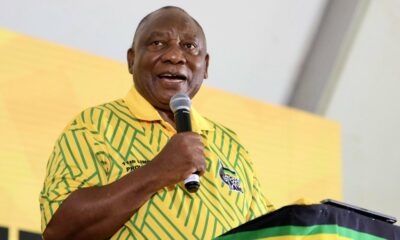
Speaking at the ANC Limpopo elective conference on 29 March 2026, Cyril Ramaphosa acknowledged the looming crisis and confirmed that government is scrambling to find ways to soften the impact on households already under pressure.
A Price Hike That Could Hit Hard
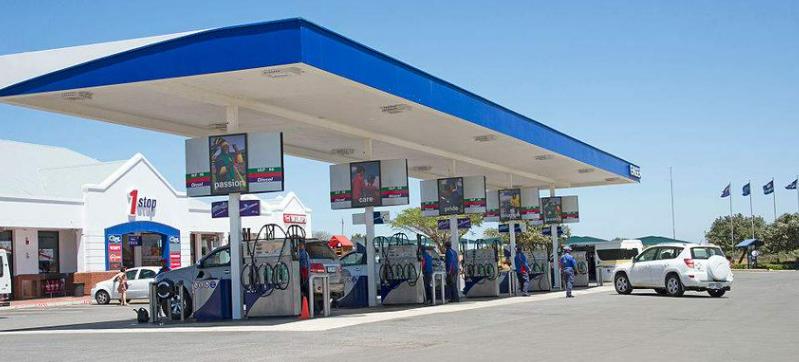
According to projections from the Central Energy Fund, petrol could jump by around R6 per litre, while diesel may spike by as much as R10 from 1 April.
For many South Africans, that is not just another increase. It is a potential tipping point.
Fuel costs sit at the heart of daily life in South Africa. From taxi fares and food deliveries to supermarket prices, almost everything is tied to the cost of transport. When fuel rises sharply, it does not stay at the pump. It spreads quickly across the economy.
Ramaphosa did not sugar-coat the situation.
He warned that the increase would drive up the cost of living and place even more strain on both consumers and the state.
Government Under Pressure To Act
Behind the scenes, urgency is building.
Finance Minister Enoch Godongwana is already feeling the pressure, with Ramaphosa revealing that both of them are losing sleep over the looming increase.
In response, the President has instructed key ministers to urgently come up with solutions to shield the country from the worst of the impact.
A ministerial task team has now been formed, bringing together senior figures including Gwede Mantashe, Kgosientsho Ramokgopa, and Parks Tau.
Their brief goes beyond just fuel prices. The team is expected to assess the broader geopolitical situation and what it means for South Africa’s economy.
Global Forces Driving Local Pain
While the effects will be felt locally, the causes are far from home.
The surge in fuel prices is being driven by escalating tensions in the Middle East, which have pushed global oil prices sharply higher. Brent crude has surged from about $69 to over $115 per barrel.
At the same time, the rand has weakened significantly against the US dollar, slipping from around R15.85 to above R17.00.
This double blow is particularly tough for South Africa, which relies heavily on imported fuel. A weaker currency means the country pays more for oil, even before global price increases are factored in.
What This Means For Everyday South Africans
For ordinary citizens, the consequences are immediate and unavoidable.
Higher fuel prices are already beginning to filter through to public transport costs and everyday expenses. That means higher taxi fares, pricier groceries, and tighter household budgets.
Ramaphosa’s biggest concern, he said, is exactly that. The pressure on ordinary people.
He warned that the increase will deepen financial strain and reduce the government’s ability to respond, as rising costs squeeze public finances.
Economic Warning Signs Are Flashing
Economists are equally concerned.
FNB has cautioned that the ongoing global conflict could keep inflation higher for longer, delay interest rate cuts, and slow economic growth just as the country was starting to recover.
The South African Reserve Bank has also flagged rising inflation risks, noting that fuel costs are already feeding into broader price increases.
There is some optimism that growth could still improve due to a low base from the previous year, but the risks are stacking up.
If the conflict drags on, South Africa could face a difficult mix of slower growth and rising interest rates.
A Familiar Cycle With Higher Stakes
South Africans are no strangers to fuel price hikes. Over the past decade, increases have become a regular feature of economic life.
But this moment feels different.
The scale of the projected increase, combined with global instability and a fragile local economy, has raised the stakes significantly.
Government intervention may offer some relief, but for now, the reality is clear. From April, life is about to get more expensive for millions across the country.
We use cookies to ensure that we give you the best experience on our website. If you continue to use this site we will assume that you are happy with it.Ok