News
SAA’s “profit” raises eyebrows as hidden bailout claims surface
SAA’s “profit” raises eyebrows as hidden bailout claims surface
For a moment, it looked like a comeback story South Africa could celebrate.
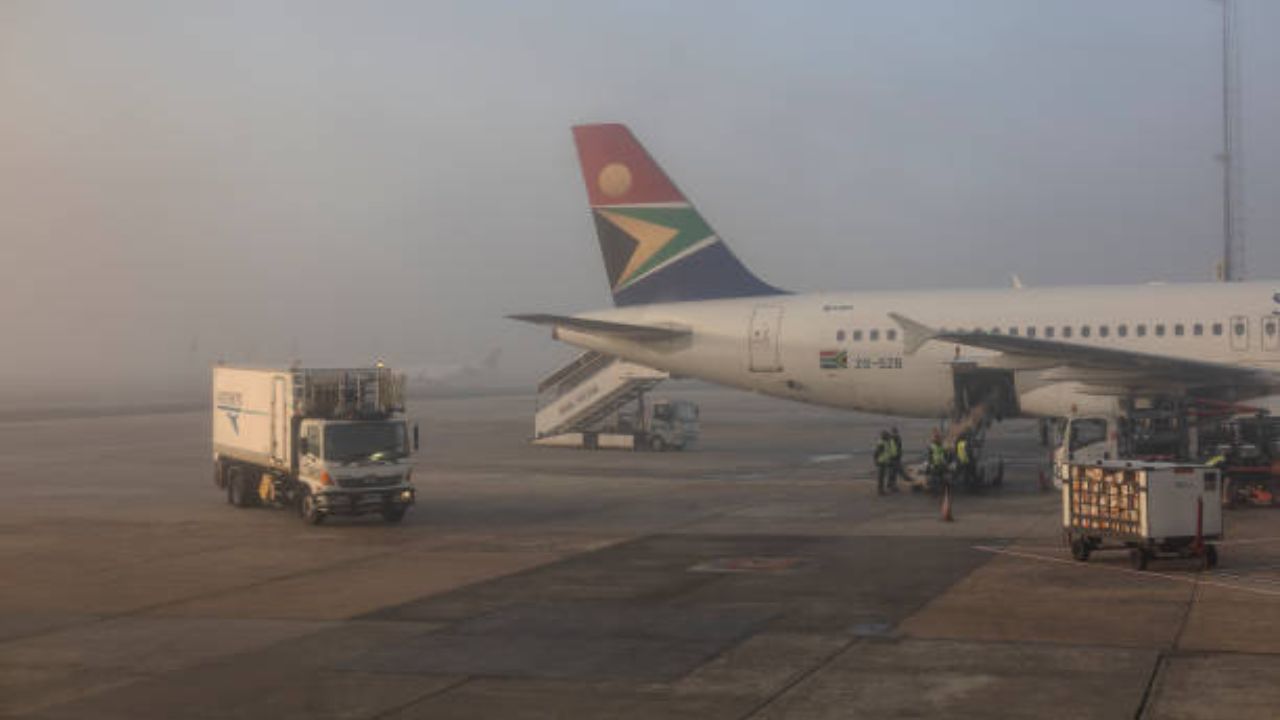
After years of turbulence, bailouts, and near collapse, South African Airways (SAA) reported a return to profit a sign, perhaps, that the national airline was finally back on course.
But as the numbers settle and analysts dig deeper, a more complicated story is emerging. And it’s one that’s raising uncomfortable questions about whether SAA’s “recovery” is as real as it seems.
A profit… built on shaky ground
On paper, SAA’s latest financials look encouraging. The airline posted a profit of R155 million, alongside revenue of more than R9 billion and an operating profit of R336 million.
Passenger numbers are up. Routes are expanding. Load factors a key industry metric are improving.
But here’s the catch: a significant portion of that profit didn’t come from flying planes.
Instead, it was driven largely by selling off assets including valuable property, equipment, and even one of its prized Heathrow slots which generated over R1.1 billion.
Strip that out, and the picture flips dramatically. Without those once-off gains, SAA would have posted a loss close to R1 billion.
That’s not a turnaround. That’s survival.
The “bailout” debate no one agrees on
At the centre of the controversy is more than R1 billion injected into SAA by government not labelled as a bailout, but as “share capital.”
Officials insist no bailout has been provided since 2023. But economists aren’t convinced.
Critics argue that whether you call it a bailout or a capital injection, the effect is the same: taxpayer money keeping the airline afloat.
It’s a debate that’s become familiar in South Africa where state-owned enterprises often walk a fine line between recovery and reliance on public funds.
Audit alarm bells ring loud
Perhaps even more concerning than the funding debate is the response from the country’s top auditor.
Instead of approving the airline’s financial statements, the Auditor-General issued a disclaimer opinion one of the most serious red flags in public finance.
In simple terms, it means auditors could not verify key parts of SAA’s financial reporting.
That’s not just a technical issue. It raises deeper concerns about governance, transparency, and whether the numbers being presented can be fully trusted.
For a company trying to rebuild credibility, it’s a significant setback.
A familiar story for South Africans
For many South Africans, this isn’t new.
SAA has been here before announcing progress, only for cracks to appear later. The airline entered business rescue in 2019 after years of financial strain and repeated government support.
Since then, every sign of recovery has been met with cautious optimism… and a fair amount of scepticism.
On social media, the latest results sparked mixed reactions. Some welcomed any sign of improvement, while others questioned how a company can claim profit while still leaning on asset sales and state backing.
The real test: can SAA fly on its own?
The deeper issue isn’t just about this year’s numbers it’s about sustainability.
Even SAA’s own report acknowledges that long-term success depends on stronger passenger demand, better pricing, and improved operational efficiency.
Right now, those fundamentals are still under pressure. The airline’s core operations remain weak, with negative earnings before interest, tax, depreciation, and amortisation (EBITDA).
In other words, the actual flying business isn’t yet profitable.
Executive pay raises add fuel to the fire
Adding another layer to the debate is executive compensation.
While the airline navigates financial uncertainty, its CEO received a 23% salary increase, with other executives seeing similar boosts.
For many South Africans especially in a tough economic climate that detail hasn’t gone unnoticed.
It feeds into a broader frustration around accountability in state-owned entities.
Bigger picture: what this means for taxpayers
Beyond the headlines, this story speaks to a larger national question: what role should government play in running complex, competitive businesses like airlines?
Some analysts argue that SAA’s continued reliance on public funds shows it may be better suited to private ownership or partnerships.
Others believe the airline still holds strategic value connecting South Africa to key global markets and supporting tourism.
But one thing is clear: the current model is under scrutiny.
SAA’s latest results aren’t a simple success story, they’re a reminder of how complex recovery can be.
Yes, there are signs of progress. But they are layered with financial engineering, state support, and unresolved governance concerns.
For now, the airline is flying, but whether it’s truly back in the air on its own power is still very much up for debate.
{Source: The Citizen}
Follow Joburg ETC on Facebook, Twitter , TikTok and Instagram
For more News in Johannesburg, visit joburgetc.com