News
Former bank CEO questions SASSA means test after beneficiaries appear to earn five times grant
Former Capitec CEO says grant recipients appear to earn five-times their grant, raising questions about how SASSA’s bank-statement means test detects informal income.
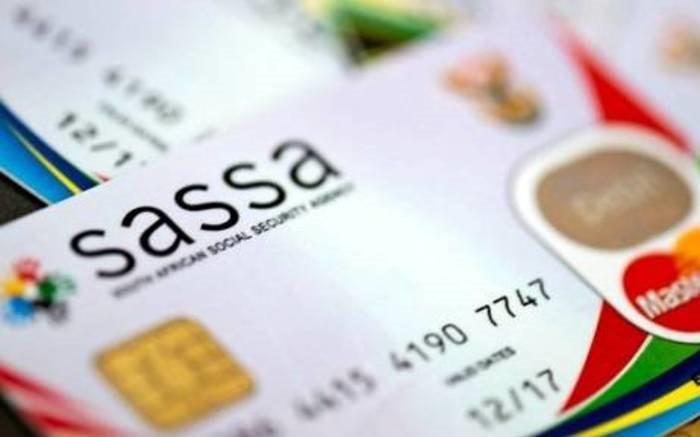
Policing of the South African Social Security Agency (SASSA) means test is under renewed scrutiny after a former bank chief said beneficiaries appear to be receiving far more than their social grants each month. The claim has reignited debate about whether the current bank-statement approach to means testing captures informal and cash-based income.
What was alleged
Former Capitec CEO Gerrie Fourie, speaking to the media, referred to Capitec’s own banking data and said that grant recipients were banking five-times more than the grant amount on average. The allegation raises a basic question: if a bank’s transaction records show this pattern, why does the SASSA means test not register it?
How the SASSA means test works
The SASSA process, for Social Relief of Distress (SRD) and core grants such as Older Person and Child Support, relies on a sweep of bank accounts linked to an applicant’s identity number. It totals credits and debits and compares them to the relevant threshold. Crossing that threshold leads to a review and potential withholding of the grant for the month.
Limits of a bank-statement approach
One structural limitation is that the means test only captures money that passes through bank accounts. Income paid in cash, day wages that are spent before being banked, stokvel payouts and other informal transactions may not appear in those statements and therefore do not register in the sweep.
A Supreme Court of Appeal case referenced in the source material also raises questions about how certain deposits should be classified for example, whether a deposit from a friend or a stokvel contribution should count as income for means-testing purposes.
Consequences and incentives
The means-test design can create incentives for people to remain formally unemployed or to keep informal earnings off the banking system, because admitting to work even informal work can risk a monthly grant. SASSA does not have the manpower or mandate to individually audit millions of informal side hustles nationwide, according to the analysis in the source.
What the debate focuses on
The core of the debate is twofold: whether a bank-statement sweep is an adequate way to detect means-tested income, and whether the system fairly distinguishes between different types of receipts that appear in accounts. Those concerns are central to the discussion prompted by the former Capitec CEO’s comments.
The questions raised affect both the practical enforcement of the means test and broader thinking about how South Africa’s social-welfare system should be designed to account for informal economic activity.
Follow Joburg ETC on Facebook, Twitter, TikTok and Instagram
For more News in Johannesburg, visit joburgetc.com
Source: thesouthafrican.com