News
A Quiet Win for South Africa: EU Delisting Signals a Turning Point for Trade and Trust
A Quiet Win for South Africa: EU Delisting Signals a Turning Point for Trade and Trust
South Africa doesn’t often celebrate regulatory wins with fireworks, but this one matters. From 29 January 2026, the country will no longer sit on the European Union’s list of “High-Risk Third Country Jurisdictions”, a designation that has quietly complicated trade, investment and everyday financial transactions with Europe for nearly three years.
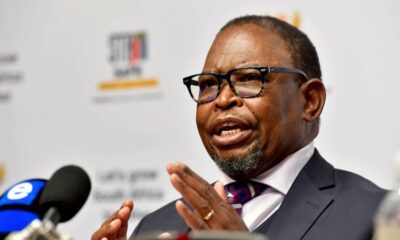
The decision, published by the EU on 9 January, follows South Africa’s earlier removal from the Financial Action Task Force (FATF) greylist and the UK’s own high-risk register. National Treasury has welcomed the move, calling it a key step in restoring confidence in the country’s financial system.
For businesses, banks and investors, this change removes a layer of friction that few outside the finance world fully appreciate, but many have felt.
Why the EU List Mattered More Than Many Realised
When South Africa was added to the EU’s high-risk list in August 2023, it wasn’t because of a new scandal in Brussels. It was an automatic knock-on effect of the country being greylisted by the FATF earlier that year.
Under EU law, countries deemed to have weaknesses in fighting money laundering and terrorist financing face tougher rules. European banks had to apply enhanced due diligence to South Africa-linked transactions more paperwork, more approvals, more delays.
For exporters, investors and even South Africans receiving payments from Europe, it often meant slower deals, higher compliance costs and occasional red flags that spooked potential partners.
Treasury has been blunt about the impact: these extra checks disrupted trade flows, cross-border payments and investment appetite at a time when South Africa could least afford it.
What Changed and Why Europe Took Notice
The EU’s decision acknowledges that South Africa has made real progress in fixing the gaps identified by the FATF. According to the European Commission, the country has strengthened the effectiveness of its anti-money laundering and counter-terrorism financing (AML/CFT) systems and met the commitments set out in its action plan.
South Africa wasn’t alone. Burkina Faso, Mali, Mozambique, Nigeria and Tanzania were also removed from the EU list after exiting the FATF greylist during 2025 a notable moment for the continent, where compliance reputations often lag reform efforts.
Locally, the reaction has been cautiously optimistic. Business groups and financial commentators have framed the move as a credibility boost rather than a silver bullet a signal that South Africa can follow through when under pressure.
A Boost for Trade, With Caveats
While the legal obligation for European banks to apply enhanced due diligence will fall away, Treasury has been careful to manage expectations. Financial institutions are still free to run their own risk assessments, and not all will immediately loosen internal controls.
Importantly, delisting doesn’t mean South Africa’s work is done. Treasury has stressed that serious challenges remain in preventing, detecting and prosecuting financial crime, an issue that continues to frustrate the public and fuel debate on social media about accountability and enforcement.
Looking ahead, South Africa will face another FATF mutual evaluation, with a final report due at the FATF plenary in October 2027. Preparations are already under way, drawing lessons from the long road out of greylisting.
Why This Moment Still Matters
In a global economy where perception can move faster than facts, the EU’s decision is an important milestone. It removes a symbolic and practical, barrier between South Africa and one of its most important trading partners.
It may not fix load shedding, unemployment or growth overnight. But it does something equally important: it restores a measure of trust. And for a country trying to attract capital, rebuild institutions and reassert itself on the global stage, that trust is a currency worth protecting.
{Source: IOL}
Follow Joburg ETC on Facebook, Twitter , TikTok and Instagram
For more News in Johannesburg, visit joburgetc.com