News
Trump’s Greenland obsession isn’t a joke – it’s a calculated power play
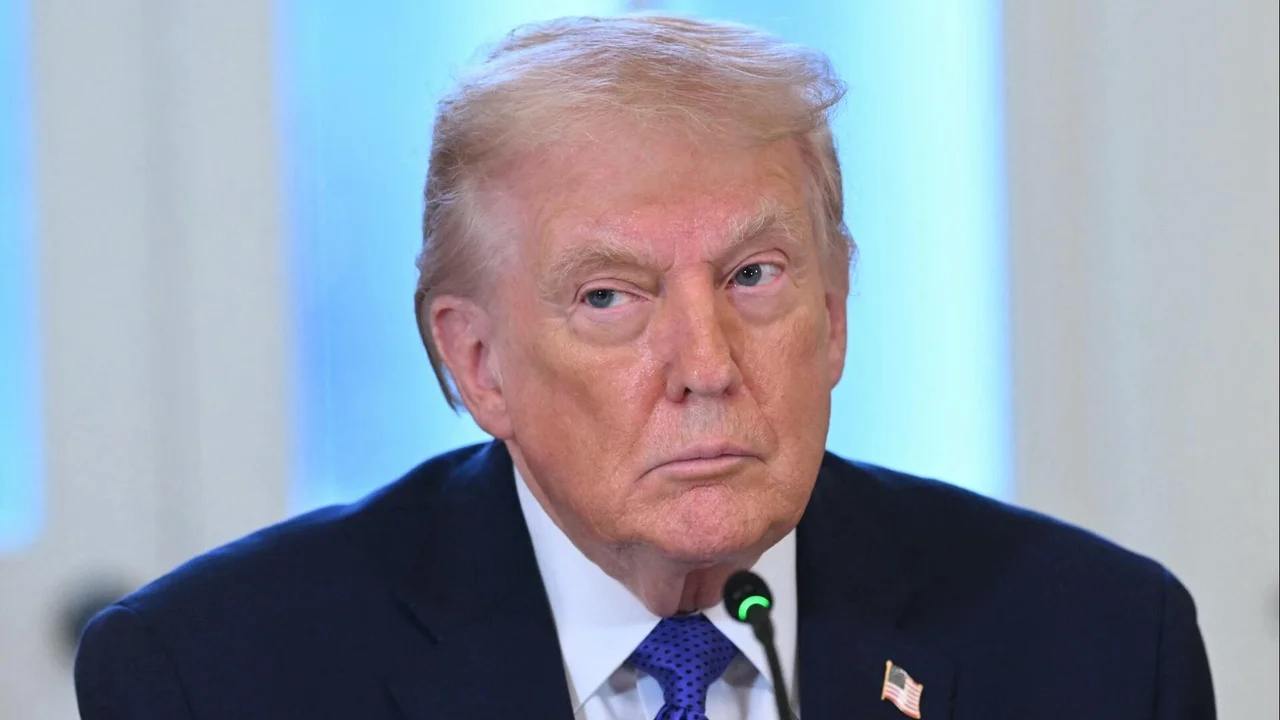
Trump’s Greenland fixation is about power, not provocation
When Donald Trump once again floated the idea of the United States acquiring Greenland, many assumed it was vintage Trump, loud, outrageous and destined to fade from the news cycle. But this time, the reaction in Europe was noticeably different.
Behind the bluster, analysts say, is a deliberate geopolitical strategy that goes far beyond headline-grabbing theatrics. Trump’s Greenland talk fits neatly into what some observers are calling a new phase of American global ambition one that prioritises control over resources, geography and energy routes rather than traditional alliances or multilateral consensus.
This isn’t nostalgia for empire. It’s economics with teeth.
A new kind of globalism
Trump’s approach departs sharply from the old idea of globalisation, or even US-led global order. Instead, it revolves around three interconnected goals.
First is a reimagined Monroe Doctrine, a belief that the US should directly dominate strategic regions it considers vital to its security and economy. Second is Trump’s long-standing ambition to turn the US into a global energy superpower that controls not just production, but the rules of the market. Third, and most overlooked, is the Arctic.
Greenland sits at the centre of all three.
With melting ice opening new shipping routes and access to vast untapped resources, the Arctic is fast becoming one of the most important geopolitical theatres of the 21st century. Trump understands that without a firm foothold there, America risks falling behind rivals like Russia and China.
Why Greenland matters more than Alaska
The US already has Alaska, but reviving it as the backbone of Arctic dominance would take years, possibly decades of investment, infrastructure upgrades and political will. Greenland, by contrast, offers a faster route to relevance.
Legal control over Greenland would instantly elevate the US from a symbolic Arctic player to a decisive one. It would also strengthen America’s hand in future energy markets beyond 2030, when competition over hydrocarbons and trade routes is expected to intensify.
From Trump’s perspective, Greenland isn’t a fantasy acquisition. It’s a shortcut.
Exploiting European weakness
Trump’s recent remarks suggest he believes the timing is finally right. Europe, he argues, openly and dismissively, lacks the military capacity to defend Greenland on its own.
In one exchange with reporters, Trump mocked Greenland’s defences, saying they amounted to “two dog sleds,” while warning that Russian and Chinese naval forces were already active in the region. Whether or not those threats are exaggerated is beside the point. Trump’s message is clear: poorly defended territory is fair game.
This thinking is also shaped by Europe’s repeated failure to demonstrate real military unity. A much-touted plan for a 200,000-strong European force reportedly shrank to just 40,000 within months a retreat that reinforced Trump’s belief that Europe cannot act decisively without US backing.
NATO’s uncomfortable silence
Greenland exposes an awkward contradiction at the heart of NATO. While the alliance exists to protect member states from external threats, Trump has openly questioned its ability or willingness to protect one of its own.
Any serious NATO confrontation over Greenland would strike at the alliance’s core principle: internal territorial integrity. Invoking Article Five in such a context could fracture NATO itself, a risk European leaders appear reluctant to take.
As a result, political manoeuvring, not military resistance remains Europe’s only realistic option.
A deal, not a takeover?
Despite Trump’s public insistence on outright acquisition, history suggests he may be open to compromise if US interests are secured. His handling of Venezuela offers a useful parallel.
After initially signalling confrontation, Trump quickly shifted to negotiation once it became clear that American economic and strategic goals could still be met. Analysts believe a similar outcome is possible with Greenland perhaps through an expanded US military and economic protectorate rather than formal annexation.
Such a scenario would still dramatically alter the balance of power in the Arctic, while allowing European leaders to save face.
Why the world should pay attention
The Greenland debate is about more than a remote island. It signals a broader shift in how power is exercised in the modern world.
Trump’s strategy rejects multilateralism, legal frameworks and diplomatic niceties in favour of direct leverage and unilateral decision-making. For smaller states including those in Africa and the Global South, the message is unsettlingly familiar: sovereignty matters most when it can be defended.
Trump may step back if conditions change. He may even go quiet for a while. But make no mistake, Greenland hasn’t left his agenda. He’s simply waiting for the moment when resistance is weakest and the price of action is lowest.
And this time, he may not back down.
{Source: IOL}
Follow Joburg ETC on Facebook, Twitter , TikTok and Instagram
For more News in Johannesburg, visit joburgetc.com