News
Trump Imposes 25% Tariff on Iran’s Trading Partners Amid Deadly Protests
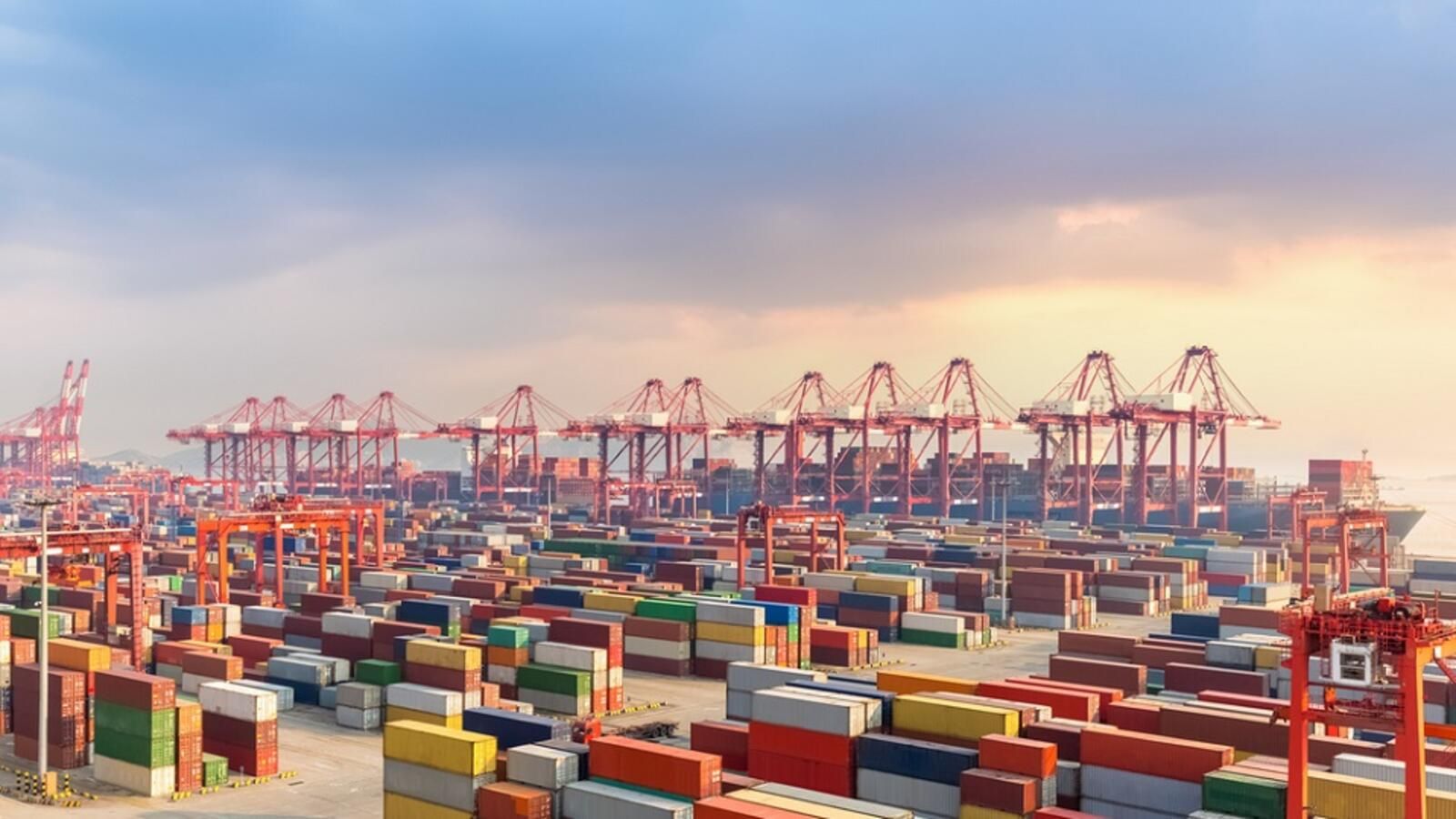
Trump ramps up economic pressure
In a dramatic escalation of tensions with Iran, US President Donald Trump announced a 25% tariff on any country trading with Tehran, targeting its main global partners while leaving military options open. The announcement, made via social media on Monday, underscored Trump’s repeated warnings that the United States would not hesitate to act if Iran crossed unspecified “red lines.”
The president’s declaration comes as Iran faces nationwide unrest, with protests that have defied a near-total internet blackout and lethal force. Iran Human Rights, a Norway-based NGO, estimates that at least 648 people have been killed during demonstrations, though some estimates suggest the death toll could exceed 6,000.
Trump described the new tariffs as “final and conclusive,” though he did not specify which countries would be immediately affected. Economically, Iran’s main partners include China, Turkey, the UAE, and Iraq.
A nation in upheaval
The protests, which erupted over economic grievances, have evolved into one of the most significant challenges to Iran’s theocratic government since the 1979 revolution. Despite harsh crackdowns, demonstrators continue to take to the streets, with tens of thousands reportedly detained.
Iranian authorities, meanwhile, have staged pro-government rallies, claiming they demonstrate the failure of foreign-backed unrest. Supreme Leader Ayatollah Ali Khamenei, 86, described the turnout as a warning to the United States, saying the demonstrations “thwarted the plan of foreign enemies.”
In Tehran’s Enghelab (Revolution) Square, Parliament Speaker Mohammad Bagher Ghalibaf framed the situation as a “four-front war” economic, psychological, military, and a “war against terrorists,” referring to protesters. Security forces killed during clashes have been honored with state funerals, reinforcing the government’s narrative of external threats.
Diplomacy, brinkmanship, and global reactions
Despite the heightened rhetoric, the White House insisted that Trump prefers diplomacy first but is “unafraid” to deploy military force. Reports emerged that Iran’s leadership had reached out for negotiations, with Foreign Minister Abbas Araghchi emphasizing that Tehran is prepared for war but open to fair dialogue.
Reza Pahlavi, the US-based son of Iran’s ousted shah, remained skeptical, warning that Iran’s government is attempting to “trick the world into thinking it is ready to negotiate”.
Meanwhile, international reactions are mixed:
-
The European Union said it was considering further sanctions on Tehran, while the European Parliament banned Iranian diplomats from its premises.
-
French President Emmanuel Macron condemned the state violence, highlighting the protesters’ demands for their rights.
-
Russia criticized what it called attempts by “foreign powers” to interfere in Iran, framing the unrest as externally influenced.
Life under lockdown
On the streets, Iranian state media paints a different picture smooth-flowing traffic, reduced protests, and a sense of calm. Governor Mohammad-Sadegh Motamedian told state TV that the number of protests is decreasing. Yet rights groups continue to highlight mass arrests, internet blackouts, and a rising death toll, warning that independent verification remains extremely difficult.
As Iran navigates this internal and international storm, the world watches anxiously. Trump’s tariffs signal a clear escalation, while Tehran asserts its readiness for confrontation, leaving both economic and military options in play, with the stakes higher than ever.
{Source: IOL}
Follow Joburg ETC on Facebook, Twitter , TikTok and Instagram
For more News in Johannesburg, visit joburgetc.com