News
Trump speaks with Venezuela’s interim leader as power shifts in Caracas
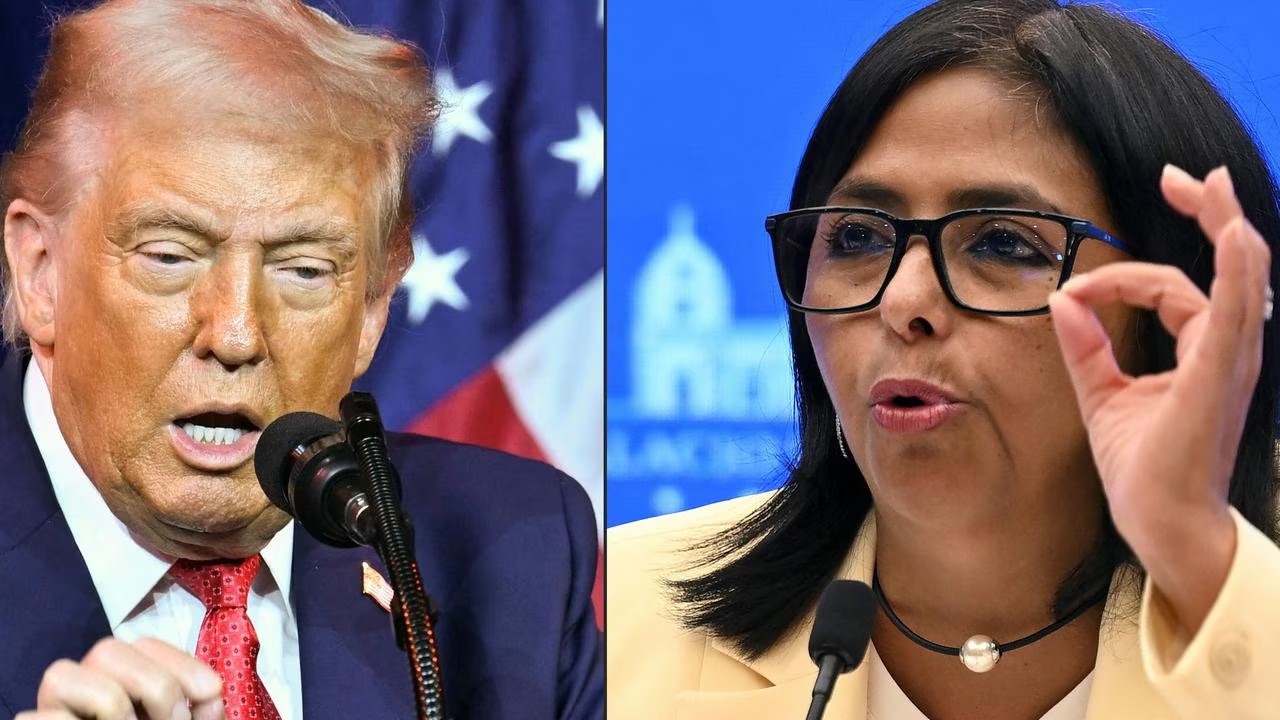
When news broke that US President Donald Trump and Venezuela’s interim leader Delcy Rodríguez held a lengthy phone conversation this week, it marked a clear shift in tone after weeks of intense political and military tension.
The call was the first known direct contact between the two leaders since the US military captured Venezuelan president Nicolás Maduro earlier this month, an operation that sent shockwaves through Latin America and beyond.
A cautious opening after a violent rupture
The conversation comes in the shadow of the 3 January raid that left at least 80 people dead, including members of the Venezuelan military, Cuban security personnel linked to Maduro, and civilians. That operation escalated already-strained relations and plunged Venezuela into its most volatile moment in years.
Against that backdrop, the decision to engage directly suggests both sides are testing whether dialogue can replace confrontation, at least for now.
What the leaders said
Speaking to reporters after the call, Trump described the discussion as long and wide-ranging, saying the two leaders got along very well. He publicly praised Rodríguez and later used his Truth Social platform to claim tremendous progress was being made.
Trump said the call covered oil, minerals, trade, and national security, signalling where Washington’s priorities lie as it reshapes its approach to Venezuela following Maduro’s capture.
Rodríguez echoed the positive tone, describing the exchange as long, productive, and courteous. She said the discussion focused on a bilateral agenda aimed at benefiting both countries, a notable shift from her earlier rhetoric in which she rejected any suggestion of foreign control over Venezuela.
Oil at the centre of the relationship
Energy remains the dominant issue linking Washington and Caracas. The Trump administration has been explicit that control over Venezuelan oil production and exports sits at the heart of its strategy.
In recent weeks, the US military and Coast Guard have intercepted multiple vessels suspected of transporting Venezuelan oil without US authorisation. Washington is also reportedly pursuing court warrants to seize additional tankers as it tightens its grip on the country’s energy flows.
Trump has previously said the United States would oversee Venezuela during a transitional period and needs full access to its oil and other resources. US Energy Secretary Chris Wright has reinforced that position, stating that Washington intends to control Venezuela’s oil sales indefinitely, first by marketing stored crude and later by managing future production. According to US officials, revenues would flow into accounts controlled by the United States.
The administration argues that this approach is necessary to stabilise Venezuela’s economy and ensure it operates in both Venezuelan and US interests.
A fragile moment with global implications
For many Venezuelans, the phone call represents a fragile moment of possibility after years of crisis, sanctions, and political paralysis. For others, it raises difficult questions about sovereignty, power, and what a US-led transition could mean in practice.
What is clear is that this first conversation has set the tone for a new phase in US-Venezuela relations. Whether it leads to lasting cooperation or deeper controversy will depend on what follows the words exchanged on that call.
Follow Joburg ETC on Facebook, Twitter, TikT
For more News in Johannesburg, visit joburgetc.com
Source: IOL
Featured Image: The Australian