News
Tumisho Masha criticised for ‘straatmeit’ jibe at Dr Tlaleng Mofokeng
Actor Tumisho Masha faced backlash after calling mayoral candidate Dr Tlaleng Mofokeng a ‘straatmeit’. Mofokeng and others pushed back, citing her UN credentials.
What Masha said and why it drew attention
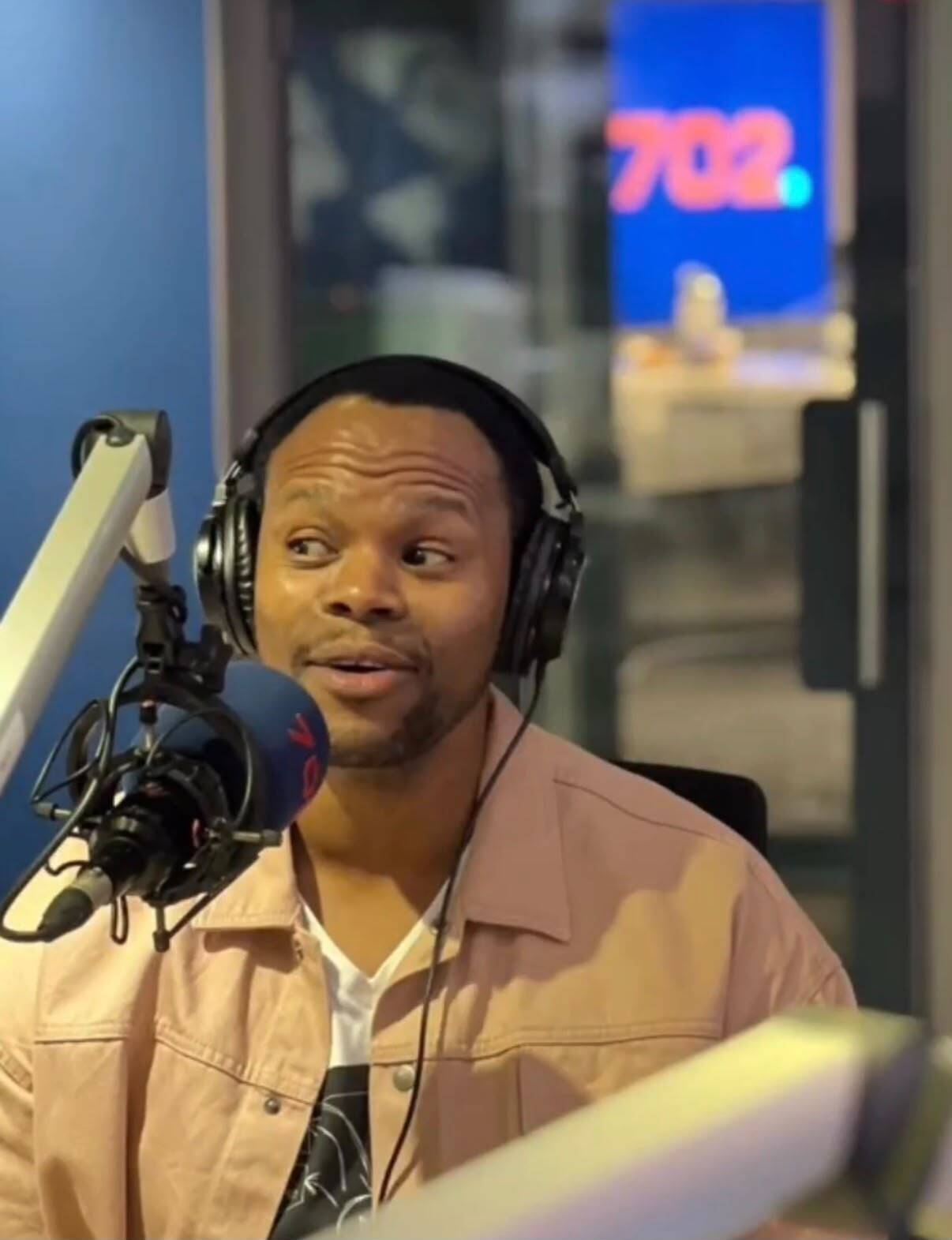
Masha used the Afrikaans-derived slang term straatmeitwhich the report describes as able to mean a streetwise girl or woman and one that can carry a derogatory connotationwhile arguing that Mofokeng’s biography did not answer what he described as the city’s basic needs. In a social media post he wrote:
“You keep shoving your bio down our throats, but can’t answer basic questions about what we really need to fix Joburg.”
He also questioned whether Mofokeng’s background in public health and human rights was sufficient preparation for the practical responsibilities of running the city. In a follow-up comment Masha reiterated his view on how she was presenting herself to voters:
“Your problem is you act like a straatmeit instead of a mayoral candidate. Address the issues that are important to the constituency you are campaigning to serve. Being a politician doesn’t make you more important than The People. Never forget that. Mxm, a whole doctor.”
Responses from public figures and commentators
Those comments prompted pushback from observers who described Masha’s language as disrespectful. Sefu Sekgala criticised Masha for what he called abusive language and urged respect for women, saying:
“Tumisho, you sound very abusive. Dr Tlaleng is not your ex. Imagine if you’re able to call such an outstanding leader of society a straatmeit, I can’t imagine the torment you unleash to women in your life. Please be respectful to women. This is disappointing, Tumisho. Shame, man.”
Writer and feminist Robyn Porteous also defended Mofokeng’s capability for the mayoral role, asking rhetorically:
“Chap, if anything, the doctor is overqualified for the position. What is your problem?”
How Dr Tlaleng Mofokeng answered the criticism
Mofokeng responded by outlining a record of work in public health and human rights, pushing back against suggestions that her professional experience was irrelevant. She highlighted an appointment by the United Nations and a range of roles and contributions made public in her defence of her credentials.
“The United Nations appointed me as an expert for six years, with all of this in the public domain, as UN Special Rapporteur on the right to health,” she said.
The report lists additional work she cited while responding: her involvement on sexual and reproductive health issues, a report to the UN General Assembly on the impact of Covid-19, service as a commissioner at the Commission for Gender Equality, and contributions to the World Health Organisation’s Human Reproduction Special Programme strategy. She also said that in 2016 she became the first civil society member to make a statement at the UN Human Rights Council on safe sexual and reproductive healthcare on behalf of 264 organisations. On the volume of her CV she commented, “This is a summary!”
The comments in the context of the Johannesburg mayoral race
Mofokeng is one of several candidates vying to lead Johannesburg. The contest includes an array of well-known figures named in the report:
- DA candidate Helen Zille
- ActionSA leader Herman Mashaba
- MK Party candidate Bongani Baloyi
- Patriotic Alliance deputy president Kenny Kunene
- RISE Mzansi’s Lukhona Mnguni
- IFP candidate Mlungisi Mabaso
- BOSA’s Nobuntu Hlazo-Webster
- Al Jama-ah’s Shireen Ebrahim
- Land Party candidate Ntsiki Mazwai
Public exchanges over candidates’ qualifications and demeanour often play out on social media during competitive campaigns. Such interactions can sharpen debate around policy and leadership while also raising questions about tone and respect in public discourse.
Why the exchange matters
At a basic level, the incident highlights two recurring themes in political campaigns: voters and commentators scrutinise whether a candidate’s professional background equips them to manage a city’s complex challenges, and the tone of those conversations can become a focal point in its own right. When debates move away from policy to personal language, they can shift attention from substantive questions about service delivery, governance and strategy to questions about respect and conduct.
Accusations of disrespect or derogatory language can also prompt broader conversations about how women in leadership are spoken about in public and whether commentary crosses into sexism. Those conversations are part of a wider public-interest discussion that often accompanies closely watched local races.
What comes next
The report does not describe any formal follow-up beyond the public responses recorded. In competitive mayoral contests, exchanges like this typically become part of voters’ wider impressions of candidates and of the campaign environment. Observers and participants commonly watch both policy positions and how contenders engage with criticism as the contest unfolds.
For now, the dispute remains a public spat on social media with both criticism and rebuttal on record. Mofokeng has set out elements of her international public-health and human-rights experience in response, while Masha has maintained his criticisms about her approach to campaigning and addressing Johannesburg’s needs.
Follow Joburg ETC on Facebook, Twitter, TikTok and Instagram
For more News in Johannesburg, visit joburgetc.com
Source: iol.co.za