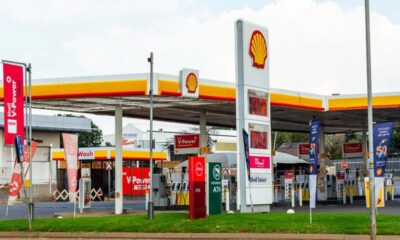
Fuel fears in the Western Cape: Winde points to “hoarding” as shortages spark concern
It started with a few empty pumps. Then came the social media posts, the worried messages, and the quiet question spreading across the province: Are we running out of fuel?
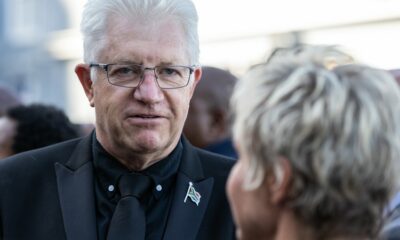
In the Western Cape, recent reports of petrol shortages have stirred unease, but according to Premier Alan Winde, the issue may not be about supply at all.
Instead, he’s pointing the finger at something far more controversial: fuel hoarding by suppliers.
“There is fuel, it’s just not being released”
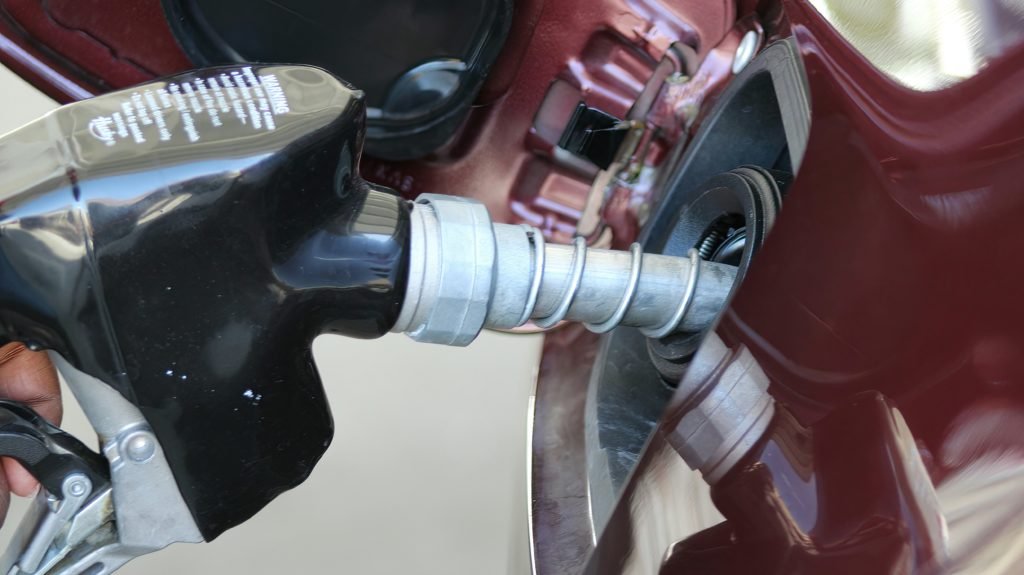
Winde says the province has been picking up complaints from residents since last week, with some motorists reporting dry forecourts and limited availability.
But after engaging with industry players, the message he received didn’t quite match what people were seeing on the ground.
On paper, South Africa’s fuel supply remains stable. In reality, certain areas appear to be experiencing shortages.
Winde believes the gap between those two realities could come down to suppliers holding back stock potentially waiting for anticipated price increases.
“It’s unacceptable,” he said, suggesting that some may be delaying sales to benefit from higher prices in the near future.
Industry pushes back: no national shortage
At the same time, both the Department of Mineral and Petroleum Resources and the Fuel Industry Association of South Africa have urged calm.
Their position is clear:
- There is no national fuel shortage
- Any disruptions are localised and logistical
- Panic-buying is unnecessary
They’ve also cautioned against linking the situation directly to global tensions, warning that such assumptions can create unnecessary panic.
The global backdrop: rising prices, rising anxiety
Even if supply is stable, prices are another story.
With global oil markets under pressure, partly due to ongoing conflict in the Middle East South Africans are bracing for steep fuel hikes in April.
Early indicators suggest petrol could jump by several rand per litre, with diesel increases even higher.
That looming increase has added fuel (literally) to public anxiety and may explain why both suppliers and consumers are acting cautiously.
Social media reaction: frustration and suspicion
Online, the situation has sparked intense debate.
Some residents have shared photos of empty pumps, while others say they’ve had no issues at all highlighting how uneven the experience has been.
There’s also growing suspicion. Many users are echoing Winde’s concerns, questioning whether artificial shortages are being created to maximise profits.
At the same time, others are calling for calm, warning that panic-buying could make things worse.
Government monitoring and warning the public too
The provincial government says it is actively tracking the situation through its disaster management structures, working alongside industry bodies and other stakeholders.
Interestingly, the warning about hoarding isn’t just aimed at suppliers.
Winde has also urged the public not to fall into the same trap.
Filling up your tank ahead of price hikes? Fine.
Stockpiling fuel unnecessarily? Not helpful.
A delicate balancing act
What makes this situation tricky is perception.
Even if there’s technically enough fuel in the system, the moment people believe there isn’t, behaviour changes queues grow, tanks fill faster, and shortages can become self-fulfilling.
It’s a dynamic South Africans know well, whether from fuel scares, water restrictions, or load shedding.
For now, officials insist there’s no reason to panic.
But the mixed signals, full supply on paper, empty pumps in some areas mean trust is being tested.
Whether this is a case of logistical hiccups or something more deliberate, one thing is clear:
in the Western Cape right now, fuel isn’t just about getting from A to B it’s about confidence in the system keeping things moving.