News
Why Cape wildfires keep raising uncomfortable questions for Eskom

When summer turns the Cape into a tinderbox
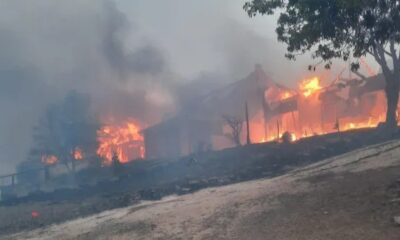
Every summer, Capetonians brace themselves. Hot berg winds sweep across dry hillsides, fynbos crackles underfoot, and a single spark can become a wall of flame within minutes. This year has been no different. Fires have once again torn through parts of the Western Cape, reigniting an uncomfortable national debate about blame, responsibility, and prevention.
Climate experts have long warned that regions with Mediterranean climates, like the Cape, are becoming more vulnerable as temperatures rise and rainfall patterns shift. Longer dry spells followed by fierce winds create perfect conditions for runaway fires. That is now widely accepted. What is far more contentious is what happens when human systems intersect with these conditions.
Arson claims versus uncomfortable questions
As with previous fire disasters, whispers of arson have spread quickly. Social media has been flooded with claims of incendiary firelighters found near burn sites, fuelling public anger and fear. South Africans have seen this before. After the devastating Garden Route fires in 2017, similar suspicions circulated widely, leaving communities desperate for clear answers.
If arsonists are indeed at work, the public mood is uncompromising. People want arrests, prosecutions, and long sentences. Fires destroy homes, livelihoods, and ecosystems. There is little patience for speculation without consequences.
But arson is only part of the story, and for many residents it is not the most uncomfortable one.
Long-standing complaints about power line safety
In both the Western Cape and the Eastern Cape, communities have raised concerns for years about vegetation growing too close to electricity infrastructure. Residents argue that poor trimming around pylons and power lines creates a dangerous mix of dry plant matter and live electrical equipment.
These complaints are not new. In the Eastern Cape, especially, frustration has simmered as people say reports were ignored and maintenance delayed. When fires erupt near power infrastructure, the question becomes unavoidable. Was this preventable?
This is where attention turns sharply to Eskom. As the country’s power utility, Eskom carries a responsibility that goes beyond keeping the lights on. Its infrastructure cuts through some of South Africa’s most fire-prone landscapes. That reality demands rigorous vegetation management, especially during peak fire season.
Why accountability matters more than blame
The issue is not about pinning everything on one cause. Fires are complex. Weather, human behaviour, infrastructure, and land management all play a role. What matters now is establishing the truth clearly and transparently.
If criminal acts are responsible, they must be exposed and punished. If maintenance failures contributed, whether by Eskom or any other entity, those lapses must be acknowledged and corrected. Oversight cannot be optional when the consequences are so severe.
In the Western Cape, where fires are a known seasonal threat, prevention should be as much a priority as response. That means proper clearing, regular inspections, and accountability when standards slip.
A national problem hiding in plain sight
Wildfires are often treated as regional disasters, but the implications stretch far wider. Power disruptions, insurance losses, and environmental damage ripple across the economy. In a country already grappling with infrastructure strain, fire risk linked to utilities is not something that can be brushed aside.
South Africans are tired of reactive explanations after the smoke clears. The growing public sentiment is simple. Investigate properly, manage what can be managed, and stop repeating the same mistakes each summer.
Until that happens, every hot, windy day in the Cape will carry the same uneasy question. Is the next fire an act of nature, a crime, or a failure we could have prevented?
Follow Joburg ETC on Facebook, Twitter, TikT
For more News in Johannesburg, visit joburgetc.com
Source: The Citizen
Featured Image: CalMatters