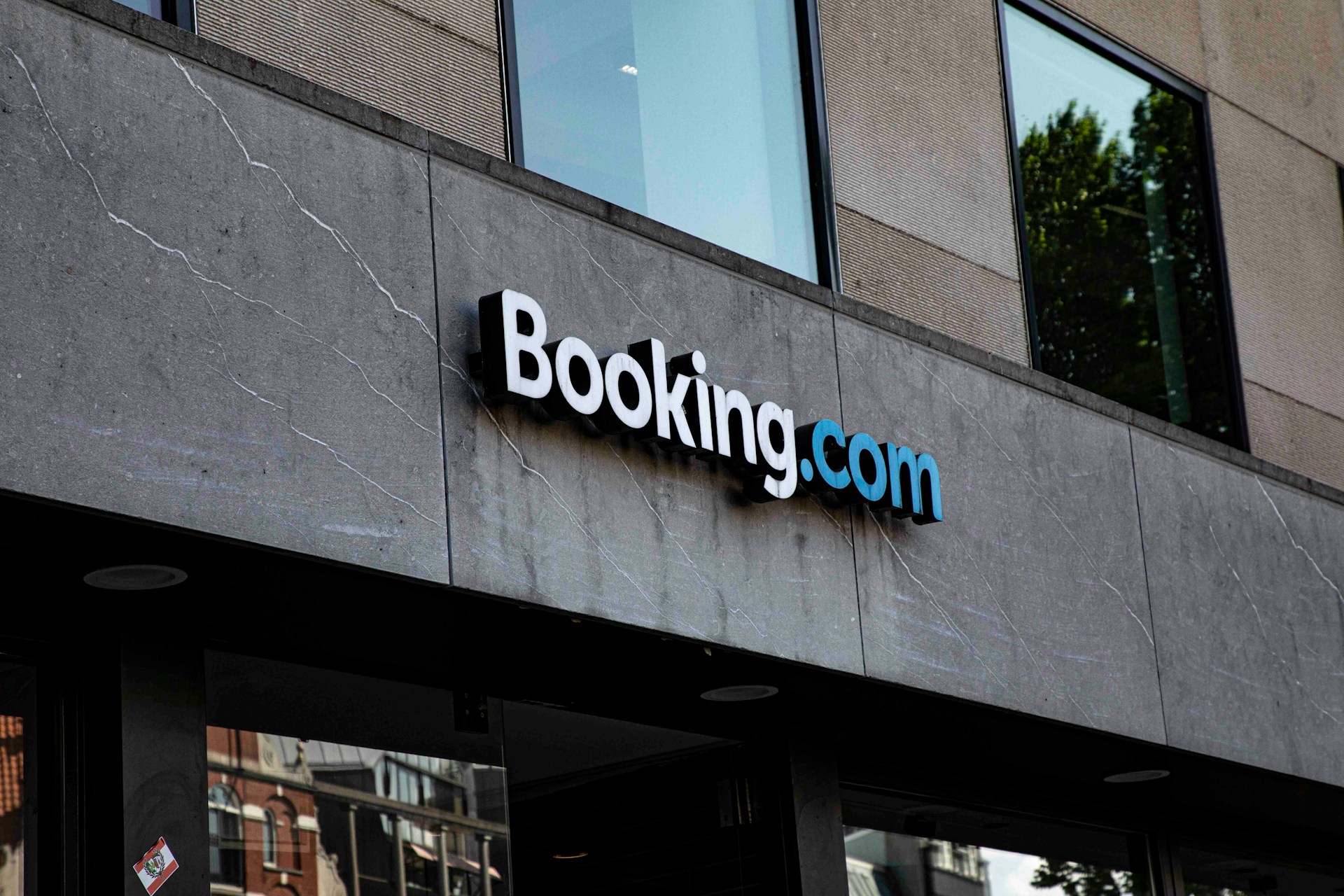
For many South Africans, booking a getaway has become as simple as a few taps on a phone. But that convenience has taken a hit after Booking.com confirmed a data breach that may have exposed sensitive guest information.
The Amsterdam-based travel giant, which started as a small Dutch start-up in 1996, has grown into one of the world’s largest booking platforms. Now, it finds itself under scrutiny after detecting what it calls “suspicious activity” linked to certain reservations.
And for travellers in South Africa, where online bookings for both local stays and international trips have surged, the news lands close to home.
What Information Was Exposed?
Booking.com has begun notifying affected users that unauthorised parties may have accessed a range of personal details. While the company has not revealed the full scale of the breach, the type of data involved is enough to raise concern.
According to the alert sent to customers, the compromised information may include:
- Full names and email addresses
- Phone numbers and physical addresses
- Booking details and reservation history
- Additional information shared directly with properties, such as special requests or ID details
To limit further risk, the company has already reset reservation PINs linked to affected bookings.
The Bigger Concern Behind The Breach
What makes this incident particularly unsettling is not just the data itself, but the uncertainty around it.
Booking.com has not confirmed how many users were affected or how the breach happened. On a platform that operates in more than 40 languages and hosts millions of listings globally, even a small leak could impact thousands of travellers.
For South Africans, this raises a familiar concern. As more people rely on digital platforms for flights, accommodation and even visa applications, cybersecurity risks are becoming part of the travel experience.
Recent warnings from local banks and cybersecurity experts have already highlighted a rise in phishing scams targeting travellers. This breach adds another layer of vulnerability, especially for those planning trips during busy holiday periods.
How Travellers Can Protect Themselves
In response, Booking.com is urging users to stay alert and take extra precautions when dealing with booking-related communication.
Here are a few key steps to keep in mind:
- Be cautious of urgent payment requests sent via email or messaging apps
- Avoid clicking on suspicious links claiming to be from accommodation providers
- Contact hotels or guesthouses directly through the official app to verify messages
- Use strong, unique passwords for your Booking.com account
- Ensure your devices are protected with updated antivirus software
These steps may seem basic, but they are often the first line of defence against increasingly sophisticated scams.
A Wake-Up Call For Digital Travel
This incident is a reminder that while travel has become more seamless, it is not without its risks.
From booking a weekend in the Winelands to planning a long-haul escape, South Africans are more connected than ever to global platforms. But that convenience comes with a responsibility to stay informed and cautious.
For now, travellers are left waiting for more clarity from Booking.com. Until then, staying vigilant might be just as important as packing your passport.