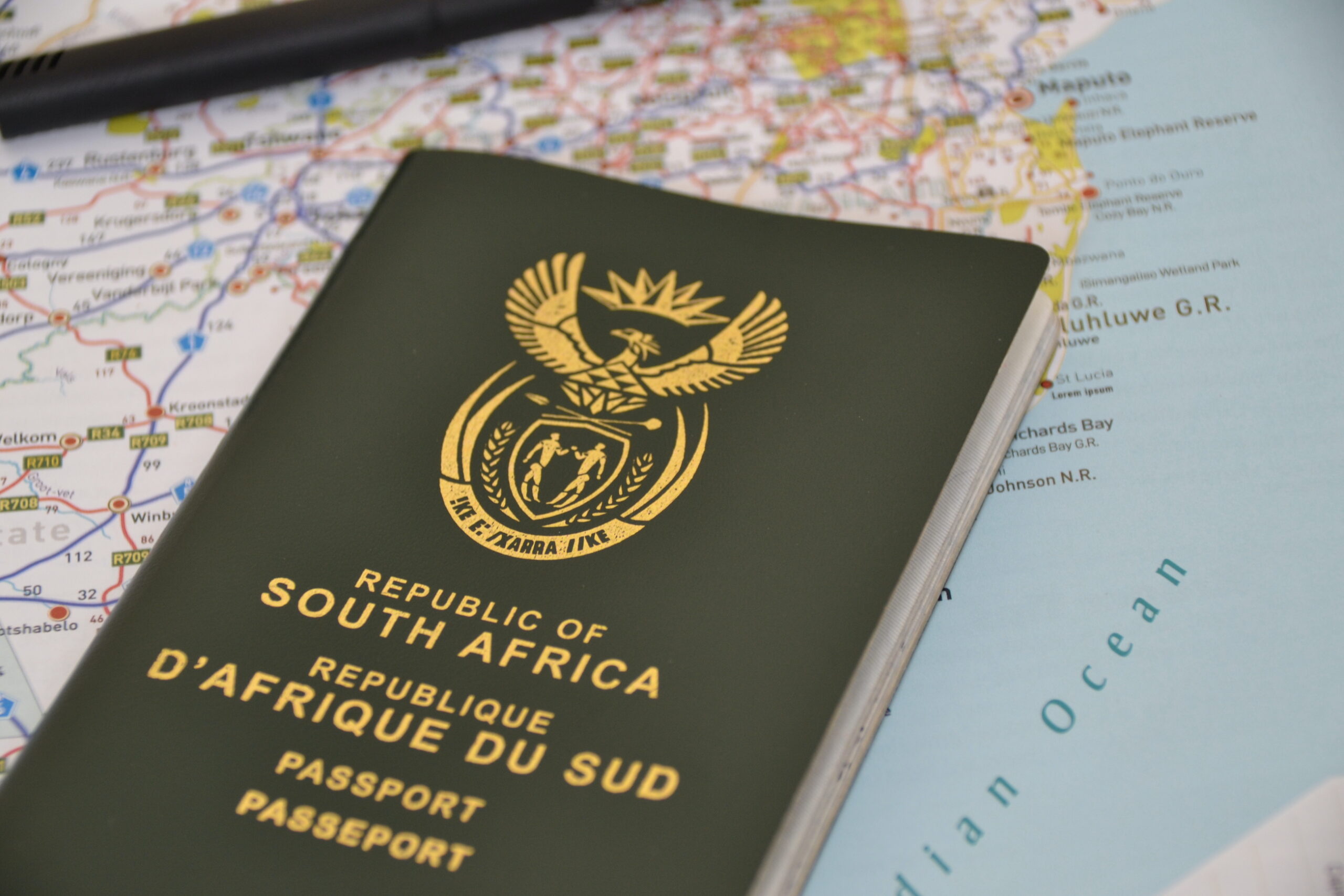
South Africa’s immigration system is on the brink of one of its biggest overhauls since the early years of democracy, with Cabinet officially giving the green light to a revised policy that could reshape who gets to live and work in the country.
The newly approved White Paper on Citizenship, Immigration, and Refugee Protection signals a clear shift in direction. At its core, it is about tightening systems, attracting talent, and making immigration work more directly for the country’s economic future.
For a country grappling with slow growth, high unemployment, and a persistent skills gap, this is not just policy. It is strategy.
A Move Towards Economic Value
According to Home Affairs Minister Leon Schreiber, the reforms aim to modernise South Africa’s immigration framework while ensuring it serves national interests.
The biggest shift lies in how visas and citizenship will be assessed.
Instead of a largely administrative process, applications will now lean heavily on economic contribution. That means:
- Skilled workers who create jobs or invest locally will score higher
- Permanent residency will be linked to measurable impact
- Citizenship will prioritise those contributing to economic and social development
This points-based approach mirrors systems used in countries like Canada and Australia, where immigration is tightly aligned with economic needs.
In South Africa’s case, the change could be particularly significant. Industries such as tech, engineering, healthcare, and finance have long struggled to attract and retain critical skills.
Why This Matters For South Africa
For years, businesses have flagged visa delays and restrictive rules as barriers to growth. In cities like Johannesburg and Cape Town, where global companies and startups are trying to scale, access to skilled talent has often been a bottleneck.
This new approach signals a shift from bureaucracy to competitiveness.
Department of Home Affairs is now tasked with translating the policy into law, meaning the real impact will unfold once legislation is passed in Parliament.
But the direction is already clear. South Africa wants to compete globally for talent, not lose out to it.
New Opportunities For Skilled Workers And Their Families
One of the more practical and widely welcomed changes focuses on spouses of skilled visa holders.
Previously, many accompanying partners were locked out of the job market. This made South Africa less appealing for professionals considering relocation, especially when compared to countries offering full family work rights.
Under the updated policy:
- Spouses can apply for work authorisation
- A points-based system will determine eligibility
- Certain requirements have been eased
It is not an automatic green light to work, but it is a far more accessible pathway than before.
This could quietly unlock a second layer of talent. Many spouses relocating with professionals are highly qualified themselves, meaning the country stands to benefit from skills it was previously sidelining.
Tighter Rules For Retirement Visas
While the policy opens doors for skilled workers, it tightens them elsewhere.
The Retired Person Visa is set to undergo stricter controls after years of loopholes and unintended use.
Key changes include:
- Introducing a minimum age requirement
- Raising financial thresholds to reflect the cost of living
- Limiting exceptions to clearly justified cases
Previously, the absence of an age limit led to unusual approvals, with some applicants far younger than what would typically be considered retirement age.
The government now wants to ensure the visa serves its original purpose, rather than becoming a backdoor into the labour market.
Investment Now Central To Residency
Another notable shift is the move away from passive financial independence towards active economic participation.
The existing financially independent residency route will be replaced with an investment-based model. Applicants will need to allocate part of their wealth into South Africa’s economy.
This aligns with a broader trend globally, where countries are prioritising investors who contribute directly to local growth rather than those who simply meet wealth thresholds.
What Happens Next
With Cabinet approval secured, the next phase is legislative. The Department of Home Affairs will draft amendments and take them through Parliament before the changes become law.
But experts are already warning against waiting.
Businesses, employers, and foreign nationals are being encouraged to start preparing now, especially those relying on current visa structures.
A Turning Point For Immigration Policy
South Africa’s immigration system has often been criticised for being slow, inconsistent, and difficult to navigate.
This overhaul suggests a decisive pivot.
It is about who the country wants to attract, how it defines value, and how immigration fits into a broader economic vision.
If implemented effectively, the changes could help position South Africa as a more competitive destination for global talent. If not, it risks becoming another policy that looks good on paper but struggles in practice.
Either way, the message is clear. The rules are changing, and the stakes are high.