In the early morning light, 72-year-old Gisela Salgado heads to a local store in Hialeah, Florida, a bag stuffed with clothes, coffee, and powdered milk destined for her brother in Cuba. She is not alone.
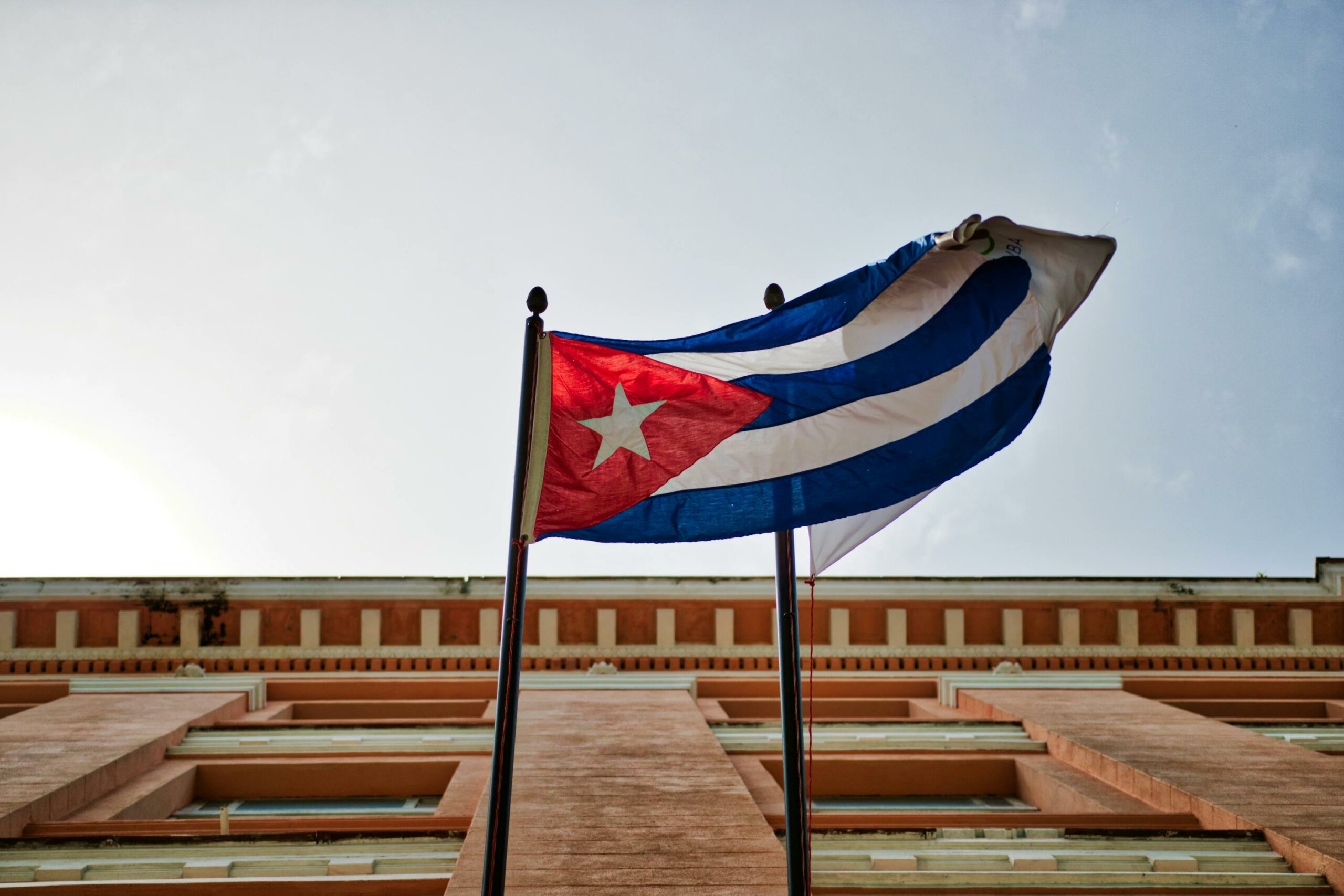
Despite shipping restrictions imposed by some agencies due to fuel shortages on the island, customers keep coming. For the Cuban American community in South Florida, the question of whether to send aid is not academicit is deeply personal.
But as Cuba’s economic and energy emergency deepens, that personal decision has become a political battleground.
The Crisis
Following the ouster of Venezuelan leader Nicolás Maduro, the Trump administration has forced Caracas to halt oil shipments to Cuba and threatened tariffs on any other country that steps in to supply crude. The effect is a near-total blockade on the island’s fuel supply.
On the ground, the consequences are devastating. “Things there are terrible. People are starving, there’s nothing,” Salgado says. “As long as my brother is there, I’ll keep sending him things. He has nothing to do with the government, and if I don’t send him anything, how will he eat?”
The Dilemma
For decades, the Cuban diaspora has sent remittances and packages to relatives on the islanda lifeline for millions. But some activists now argue that this aid inadvertently props up the Havana government, allowing it to survive despite its failures.
Alex Otaola, a Cuban American influencer and activist, has launched a “Stoppage” campaign advocating for a complete cutoff of all support, even from family members. The initiative is hotly debated on social media, splitting a community already fractured by politics.
Three US lawmakers with Cuban rootsMario Diaz-Balart, Carlos Gimenez, and Maria Elvira Salazarhave asked the Trump administration to revoke the licenses of US businesses they say are dealing with entities controlled by Cuban authorities.
The Reality on the Ground
At Cubamax, one of the main agencies facilitating shipments and remittances, about 10 customers lined up before opening time. Some carried bags of basic necessities; others held envelopes of cash.
Last week, the company suspended deliveries to residences and imposed a one-package-per-customer limit due to fuel shortages. Some restrictions have since been lifted, but fear remains that the pipeline could be cut entirely.
Jose Rosell, 81, is sending food and toiletries to his 55-year-old son, a taxi driver in Santiago de Cuba who lost his job due to the fuel crisis. He worries he won’t be able to keep helping him.
Does Aid Actually Help?
Emilio Morales, who leads the Havana Consulting Group specialising in the Cuban economy, argues that cutting off shipments “won’t change the equation.”
The government has very little access to remittances, he explains, because they usually arrive via private travellers known as money “mules.” Packages sent from abroad only help a small minority of Cubans, with little overall effect islandwide.
At a café in Hialeah, Reina Carvallo, 59, makes the distinction clear: critics need to separate the government from regular people like her two brothers, to whom she sends medication and other items.
No Easy Answers
For Cuban Americans, the crisis on the island is not a geopolitical abstraction. It is a brother without food, a sister without medicine, a parent without power.
The debate over whether to send aid will continue. But for those waiting in line at Cubamax before dawn, the choice is already made. Politics can wait. Family cannot.