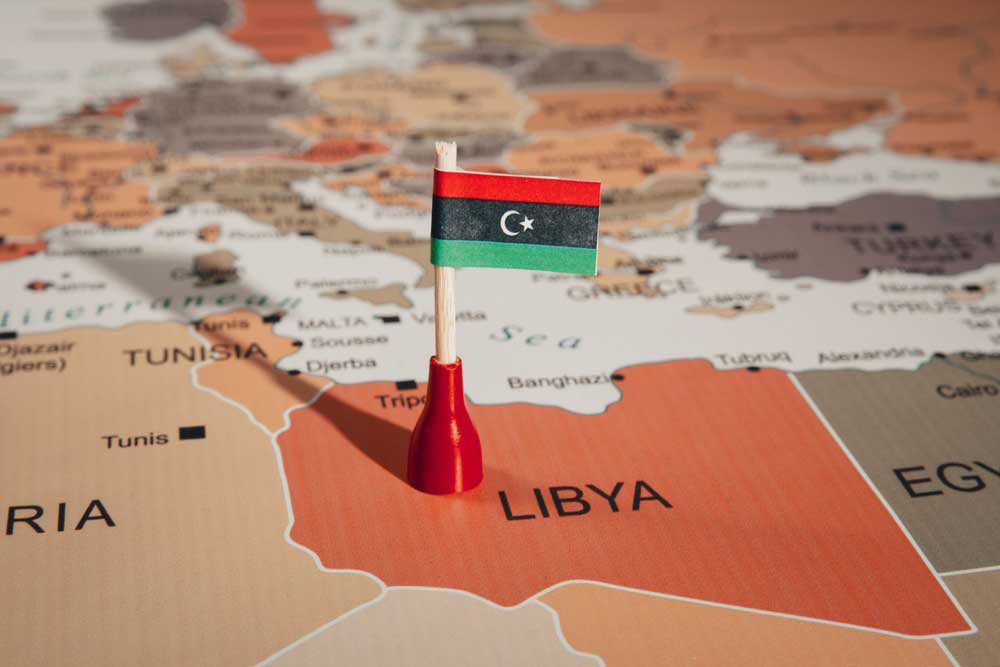
Fifteen years after the fall of Muammar Gaddafi, Libya’s skies are lit with fireworks this Ramadaan. But on the ground, for millions of Libyans, the celebration is overshadowed by soaring prices, a devalued currency, and a political divide that shows no sign of healing.
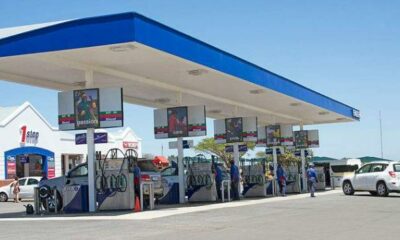
In the capital Tripoli, supermarkets ration goods. Petrol stations run short of fuel. ATMs stand empty. And families preparing for the traditional iftar meal find that the cost of feeding loved ones has spiralled beyond reach.
The Numbers Tell the Story
Firas Zreeg, 37, navigating a crowded supermarket in Tripoli, put it bluntly: the economy is deteriorating. He blamed currency speculators for the fall of the dinar, “which has negative repercussions on our daily lives.”
The impact is tangible:
-
Cooking oil prices have doubled in recent weeks
-
Meat and poultry prices have risen by 50%
-
Gas cylinders, officially priced at 1.5 dinars (about R4) but often unavailable through state distributors, now sell for 75 dinars on the black market50 times the official rate
A Nation Divided, A People Struggling
Libya remains split between a UN-recognised government in Tripoli and an eastern administration backed by military strongman Khalifa Haftar. While the country has been largely stable in recent years, the political divide has paralysed unified economic policy.
Last month, the central bank in the western territory devalued the dinar by nearly 15%the second such devaluation in less than a year. The stated aim: “preserving financial and monetary stability and ensuring the sustainability of public resources.”
Prime Minister Abdulhamid Dbeibah acknowledged the impact, saying the devaluation had once again “put the burden on citizens.”
UN Warns of ‘Fragile’ Conditions
Hanna Tetteh, head of the UN Support Mission in Libya, warned the Security Council last week that “poverty and pressure on society [are] increasing.”
“The situation, in addition to the fragile security landscape, should be a matter for concern as such conditions can lead to unexpected political and security challenges,” she said.
Tetteh highlighted other structural problems: the absence of a unified national budget, uncoordinated public spending due to parallel state institutions, and declining revenues from the oil industrydespite Libya sitting atop vast reserves.
The central bank has warned that public spending is growing at an unsustainable pace.
15 Years After the Uprising
On Tuesday, Libya marked 15 years since the start of the uprising that toppled Gaddafi. Fireworks lit the sky in Tripolia brief moment of celebration in a city where most ATMs were empty and supermarket shelves were sparse.
Zreeg acknowledged that “minor improvements in security were made over the past three years.” But the economic challenges, he said, remain enormous.
Ramadaan in the Shadow of Crisis
For Libyans observing the holy month, the clash between tradition and reality is painful. Ramadaan is a time for family, for generosity, for shared meals. But when cooking oil costs double and a gas cylinder costs 50 times the official rate, the table becomes a site of stress, not celebration.
The country has oil. It has gas. It has the resources to provide for its people. What it lacks is the political cohesion to turn those resources into stability.
And until that changes, the fireworks will be a bitter contrast to the empty pockets below.