News
Venezuela demands US release Maduro at UN Human Rights Council.
A Powerful Plea From Geneva Echoes Across Capitals
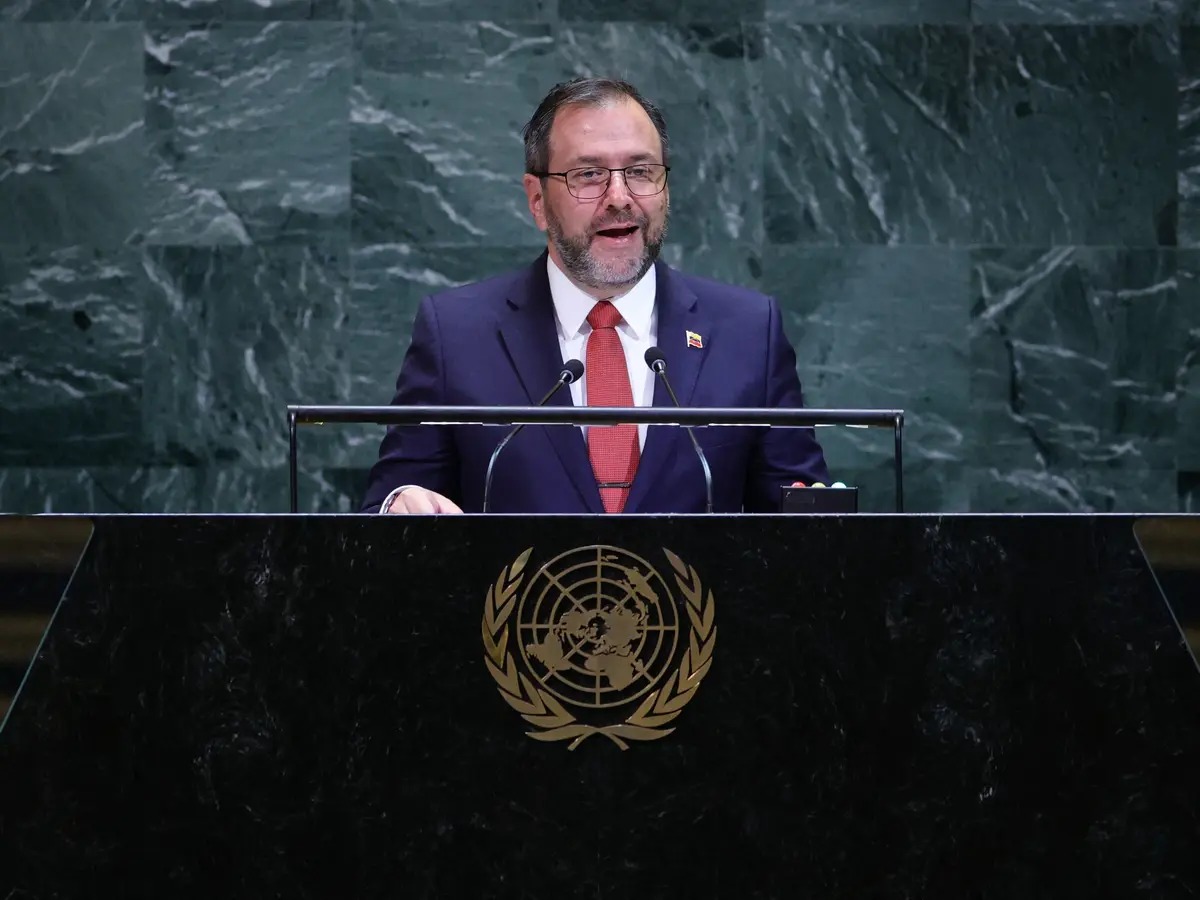
Venezuela’s top diplomat stood before the United Nations Human Rights Council this week and delivered a message with unmistakable urgency. Yván Gil, the country’s foreign minister, called on the United States to immediately release President Nicolás Maduro and his wife, Cilia Flores, following Maduro’s capture on January 3.
His appeal, made during the 61st session of the council, placed Venezuela’s political turmoil squarely back into the international spotlight. While the chamber in Geneva is often the stage for carefully worded diplomacy, Gil’s remarks were direct and unambiguous. He framed the situation as a matter of sovereignty, international law, and fundamental rights.
Speaking Out Against Sanctions And Strain
Gil did not limit his remarks to Maduro’s detention. He strongly criticised what he described as unilateral coercive measures imposed on Venezuela by multiple nations. According to him, these sanctions violate international law and have had severe economic and social consequences for the Venezuelan people.
He argued that such measures have restricted access to essential resources, deepening hardship and exacerbating an already fragile humanitarian situation. In his address, he urged the countries involved to reflect on the impact of these sanctions and to bring them to an end, warning that continued economic pressure undermines recovery efforts and punishes ordinary citizens rather than political leaders.
For years, Venezuela has blamed sanctions for worsening its economic crisis. Gil’s speech reinforced that narrative, positioning the issue not merely as a political disagreement but as a human rights concern affecting livelihoods, healthcare access, and social stability.
Sovereignty Under The Spotlight
The Human Rights Council session, which runs from March 31, has become a platform for nations to air concerns about interference, accountability, and global power dynamics. Gil used this moment strategically, appealing for solidarity among countries that view external intervention as a threat to national sovereignty.
His remarks come at a time when global scrutiny of US foreign policy in Latin America remains intense. By raising the issue at the UN, Venezuela signalled that it intends to pursue diplomatic avenues to challenge both Maduro’s capture and the broader sanctions regime.
The outcome of these discussions could shape Venezuela’s future diplomatic relationships, particularly with nations that have aligned themselves with Washington’s stance against Maduro’s administration.
What This Means For Venezuela
Beyond the political theatre of Geneva, the stakes for Venezuela are significant. The country continues to face economic strain and political unrest, and the debate at the UN underscores how closely its domestic challenges are tied to international relations.
For supporters of Maduro’s government, the appeal represents a defence of sovereignty and resistance to foreign pressure. For critics, it raises complex questions about accountability and governance. What is certain is that the issue has once again placed Venezuela at the centre of global conversation.
As the council session progresses, the world will be watching closely. The diplomatic language exchanged in Geneva may ultimately influence not only Maduro’s situation but also the broader trajectory of Venezuela’s engagement with the international community.
Follow Joburg ETC on Facebook, Twitter, TikT
For more News in Johannesburg, visit joburgetc.com
Source: IOL
Featured Image: Al Arabiya