News
Oil, gas and aluminium production disrupted as Iran expands strikes in the Gulf
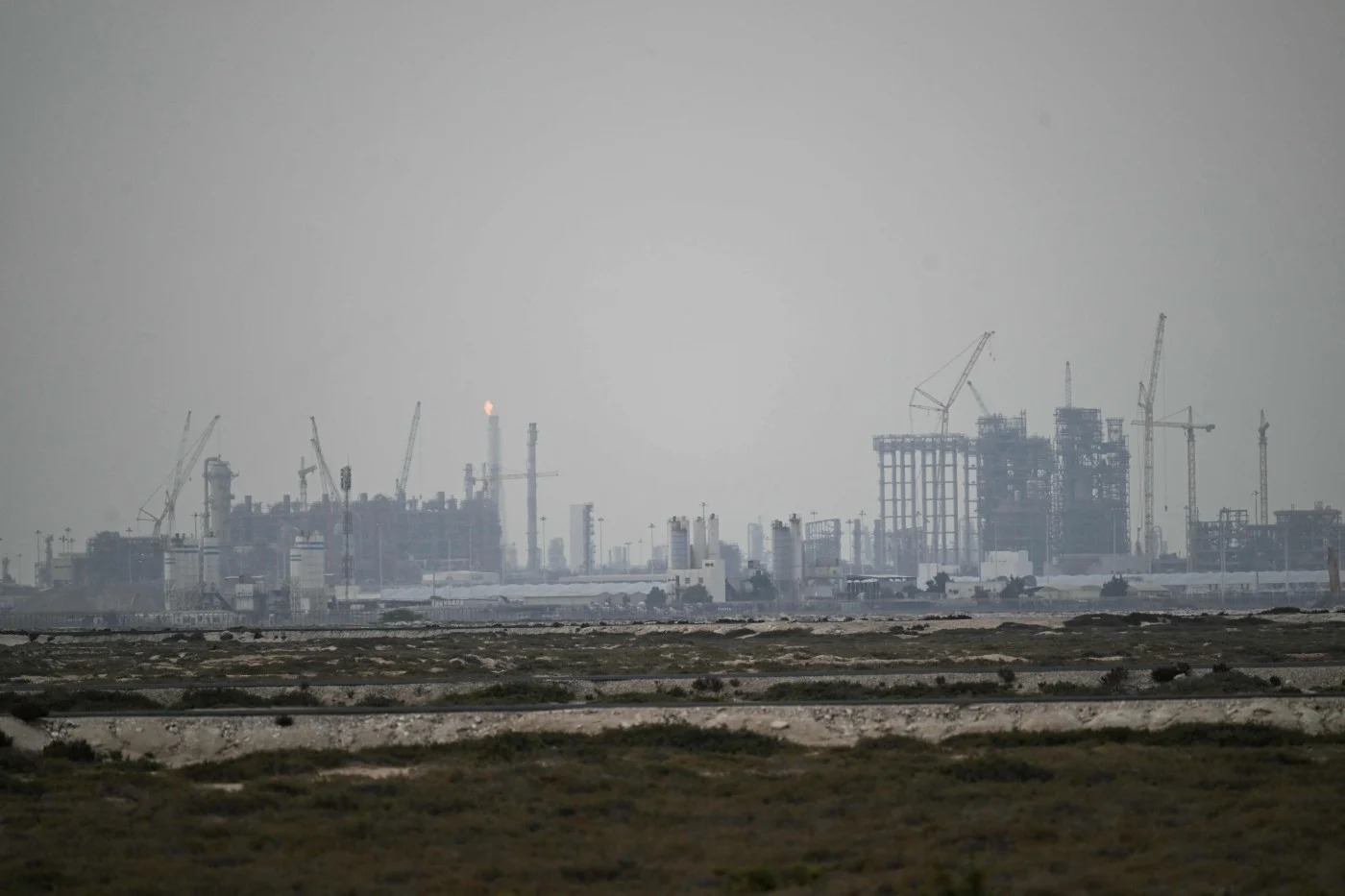
The Gulf woke up to smoke, sirens, and market jitters this week as oil and gas infrastructure across the region came under renewed Iranian attack.
What began as a conflict focused on US and Israeli interests has now expanded, drawing in key American allies including Qatar, the United Arab Emirates, and Saudi Arabia. By Tuesday, energy facilities, ports, and storage zones were directly affected, sending a ripple of anxiety through global markets already on edge.
Qatar halts production after gas plants hit
In Qatar, the impact was immediate and economic.
State energy giant QatarEnergy confirmed it would halt some downstream production after two gas processing plants were struck. The pause affects materials such as urea, polymers, methanol, and aluminium.
The reaction was swift on the London Metal Exchange, where aluminium prices jumped by two percent following the announcement. Analysts quickly warned that supply pressure could intensify if disruptions continue.
QatarEnergy had already suspended liquefied natural gas production a day earlier after drone strikes on two sites. That earlier halt triggered sharp price spikes across European energy markets, underlining just how dependent global supply chains remain on Gulf stability.
Qatari foreign ministry spokesman Majed al Ansari said Iranian missiles had also targeted Doha airport, though they were intercepted by the military.
Oman struck despite mediation role
Oman, often seen as a quiet diplomatic bridge in the region, found itself pulled directly into the conflict.
Drones targeted the port of Duqm on the country’s eastern coast, marking the second attack on the port within three days. According to state media, the damage was contained, and no casualties were reported in the latest incident.
However, Sunday’s earlier strike left one worker injured when drones hit accommodation facilities, and debris landed near fuel tanks. These were the first reported attacks on Oman since the war broke out, despite the sultanate having acted as a mediator between Iran and the United States shortly before hostilities escalated.
Oman also shot down two additional drones on Tuesday, while another crashed near Salalah port, highlighting the scale and persistence of the aerial campaign.
Fire in Fujairah as UAE counts drone toll
In the United Arab Emirates, falling debris from an intercepted drone sparked a fire in an oil storage and trading zone in Fujairah. Authorities confirmed there were no injuries and that operations quickly resumed after the blaze was brought under control.
The UAE says it has been targeted with more than 800 drones and nearly 200 missiles since the conflict erupted. That scale alone signals how dramatically the theatre of operations has widened.
Strait of Hormuz fears return
Beyond the visible damage lies a deeper concern.
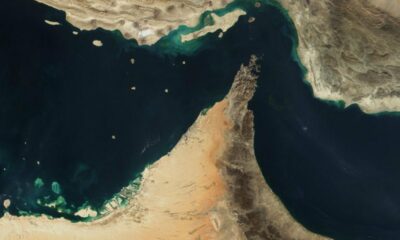
Roughly eight percent of global aluminium production is concentrated in the Gulf, much of it reliant on maritime transport through the Strait of Hormuz. The narrow waterway remains one of the world’s most critical oil and gas shipping routes.
An Iranian Revolutionary Guards general this week threatened to burn any ship attempting to navigate the strait. Even without direct blockades, such rhetoric alone is enough to spook traders and insurers.
For countries far from the Gulf, including South Africa, the knock-on effect is familiar. Higher energy prices filter through to fuel costs, transport, manufacturing, and ultimately food prices. It is a reminder that what happens in a distant shipping lane can land squarely in local pockets.
Markets bracing for more volatility
The broader question now is how long the disruptions will last.
Energy markets have already reacted sharply to production halts in Qatar, and aluminium traders are watching closely. If attacks continue or shipping routes are threatened, volatility could deepen.
For Gulf nations, the priority is containment and continuity. For the rest of the world, the stakes are equally high.
In a region that fuels global industry, even a single drone can send shockwaves far beyond the desert skyline.
Follow Joburg ETC on Facebook, Twitter, TikT
For more News in Johannesburg, visit joburgetc.com
Source: IOL
Featured Image: NST