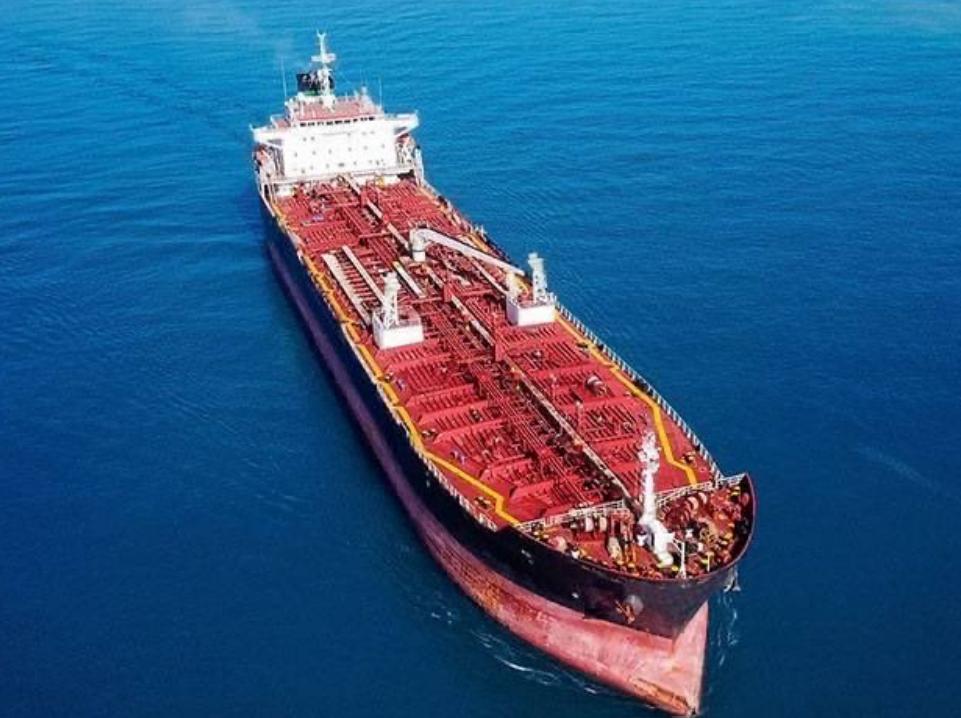
For weeks now, somewhere in the tense waters of the Persian Gulf, a civilian oil vessel has been sitting still. No movement, no clear orders, and no way forward. On board, the mood has shifted from patience to deep anxiety.
The ship’s captain, Raman Kapoor, has broken his silence, describing a situation that is becoming harder to endure with each passing day. His message is simple but powerful: the crew are caught in a geopolitical storm they have no control over.
Crews Left In Limbo As Vital Route Shuts Down
The Strait of Hormuz is not just another shipping lane. It is one of the most important arteries in global trade, responsible for moving roughly a quarter of the world’s seaborne oil.
But since the escalation of tensions between the United States and Iran earlier this year, access to the strait has become severely restricted. What was once a busy corridor is now a zone of uncertainty.
Kapoor says his vessel has been stuck since the conflict began, unable to leave and unsure of what comes next. For a crew trained to keep goods and economies moving, being forced to stand still is both unfamiliar and deeply unsettling.
Conflicting Signals Deepen The Crisis
Part of the problem, according to Kapoor, is the confusion coming from both sides of the conflict.
Recent announcements from Donald Trump suggested a full-scale naval blockade targeting ships entering or leaving Iranian ports. That statement was later clarified, but the mixed messaging has only added to the chaos on the water.
At the same time, Iran’s position has also contributed to the uncertainty, leaving crews unsure about which rules apply and when.
For those on board, it is not just about politics. It is about basic questions that remain unanswered: when can they move, and where can they go?
Life On Board Under Pressure
Behind the headlines, there is a human story unfolding.
Kapoor describes a crew weighed down by worry, not just about their immediate safety but about loved ones back home. Weeks of waiting, combined with shifting updates and no clear direction, have created a sense of helplessness.
“The uncertainty is really killing all of us,” he admitted, capturing the emotional toll of the situation.
In South Africa, where fuel prices and supply chains are closely watched, disruptions in key global routes like Hormuz often have a ripple effect. While the crisis feels distant geographically, its impact could eventually be felt at the pump and across the economy.
A Plea From The Sea
Perhaps the most striking part of Kapoor’s message is his reminder of who is caught in the middle.
“These are not soldiers,” he emphasised. “We are just seafarers. We keep the world moving.”
It is a sentiment that highlights a broader reality of modern conflict. While governments negotiate and militaries posture, ordinary workers often bear the immediate consequences.
As tensions continue and diplomatic efforts remain uncertain, crews like Kapoor’s are left waiting. Watching. Hoping that cooler heads prevail before the situation escalates further.
For now, the ships remain anchored, and the silence on the water says more than any official statement ever could.