City Updates
Metro Centre refurbishment still in early stages as Joburg offices remain scattered
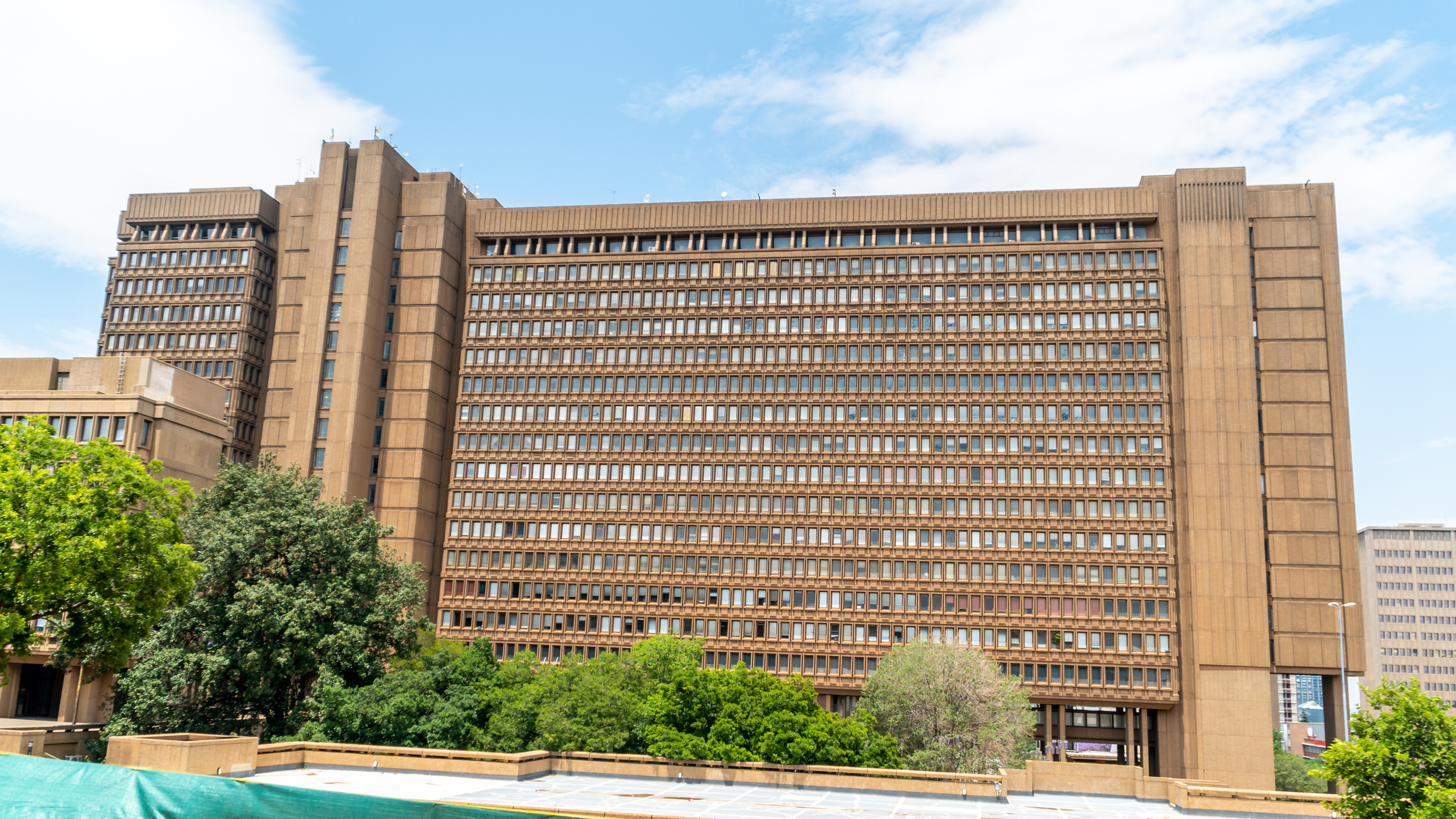
For many Joburg residents, the Metro Centre was once more than just a building. It was the heartbeat of the city’s administration. Today, it stands quiet, its future still uncertain as plans to restore it continue to move slowly forward.
Nearly three years after its closure, the City of Johannesburg is still operating without a central headquarters, with departments spread across multiple locations while the long process of refurbishment unfolds.
A city operating without a central home
The closure of the Metro Centre has reshaped how the city functions behind the scenes.
Fifteen departments have had to relocate, now working from a mix of temporary offices across six buildings. Some teams are based in Newtown, while others share space with existing municipal entities.
This kind of decentralisation has practical consequences. Services are more spread out, coordination becomes harder, and the experience for residents trying to access municipal offices is less straightforward than before.
The cost of moving and staying moved
Relocation has not come cheap.
The Johannesburg Property Company secured office space in Newtown through a lease that was initially set for two years before being extended by almost eight years. The monthly cost runs into millions, with long-term estimates reaching well over R200 million, excluding additional expenses like services and parking.
In a city already facing financial strain, these costs highlight the price of operating without a permanent administrative base.
Refurbishment still in early stages
While the building remains closed, progress on refurbishment is still in its early phases.
As of early 2026, the project is focused on planning work, including needs analysis, technical assessments, and preliminary costing. This phase is only partially complete, and a full feasibility study is not expected to begin until 2027.
Before any major construction can move forward, the process must go through additional steps, including public participation and further review by the National Treasury.
A building in serious decline
The condition of the Metro Centre itself adds urgency to the project.
Reports have highlighted structural and safety concerns, including roof damage, water leaks, cracked concrete, and outdated fire escape systems. In some areas, the building shows signs of internal deterioration, raising questions about long-term safety and usability.
These issues mean that refurbishment is not just about upgrades. It is about restoring a building that has significantly deteriorated over time.
Delays even in moving out
Even the process of clearing the building has faced challenges.
Some equipment and furniture remain inside because non-functioning lifts have made it difficult to move large items from upper floors. Repairs are underway, but until they are completed, the relocation of all assets cannot be finalised.
Why the Metro Centre still matters
Beyond logistics and costs, the absence of a central municipal building carries a symbolic weight.
A unified headquarters is often seen as essential for efficient governance, allowing departments to work closely together while giving residents a clear point of access to city services.
Without it, there is a sense that the system is more fragmented, both internally and from a public perspective.
A long wait ahead
For now, the Metro Centre remains a work in progress.
With key planning stages still underway and major steps like feasibility studies and approvals still ahead, it is clear that the road to refurbishment will not be quick.
For a city like Johannesburg, often described as the economic engine of South Africa, the future of its administrative centre is more than a construction project. It is a reflection of how the city manages growth, infrastructure, and public trust in the years to come.
Follow Joburg ETC on Facebook, Twitter, TikT
For more News in Johannesburg, visit joburgetc.com
Source: The Citizen
Featured Image: Time Out