News
‘Going Nowhere’: SA’s GDP Per Capita Growth Stuck at Zero While Poland, Chile Doubled Living Standards
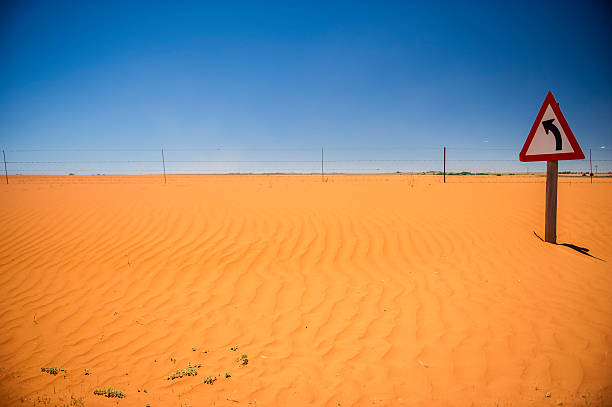
If South Africa continues on its current trajectory of per capita GDP growth, South Africans’ current living standards will remain unchanged for an entire generation.
Over the past decade, South Africa’s GDP per capita growth has averaged near zero per cent in stark contrast to other emerging markets that have managed to double their citizens’ living standards.
This is the sobering conclusion of a research note from the Bureau for Economic Research , prepared by Stellenbosch University’s chair of economics, history, and policy, Professor Johan Fourie.
The Comparison
Fourie compared the trajectories of post-transition reforms across several countries:
-
Poland
-
Chile
-
India
-
Germany
-
Argentina
“All five cases experienced growth accelerations. What separated them was what happened next,” Fourie said.
“In Chile, Poland, India, and Germany, the political settlement proved durable enough to sustain growth andcriticallyto translate it into substantially lower unemployment.”
In contrast, Argentina saw the settlement unravel as reforms were reversed, institutions weakened, and growth collapsed.
“The distinction is not academic. It is the difference between doubling living standards in a generation and going nowhere.”
Poland vs South Africa
Fourie highlighted the contrast between Poland’s and South Africa’s trajectories.
Poland embarked on its post-transition reforms in 1992 , when its GDP per capita was similar to South Africa’s today.
-
Average per capita growth swung from -0.6% before reform to 6.0% after
-
Unemployment peaked above 20% in the early 2000s, then fell sharply to around 7% after EU accession
“Twenty years later, Polish living standards had doubled. South Africa, by contrast, has averaged near-zero per capita growth over the past decade.”
If this trajectory is sustained, Fourie warned, living standards would be essentially unchanged a generation from now.
Three Lessons
Fourie distilled three lessons from successful transitions:
-
Crises create windows, but only credible settlements sustain growth
-
Reform sequencing matters infrastructure first, labour later
-
Institutional anchoring and coalition coherence determine durability
Four Priorities for the GNU
Based on these lessons, Fourie outlined four near-term priorities for South Africa’s Government of National Unity (GNU) :
-
Deliver visibly on infrastructure water, energy, logisticsto build credibility and reduce policy uncertainty
-
Agree on a shared reform scorecard that all coalition partners endorse publicly, with regular progress reports
-
Protect and repair institutions like the Reserve Bank, Treasury, NPA, and Chapter 9 bodies”these are the commitment devices that make the coalition’s bargain credible beyond the current electoral cycle”
-
Defer politically divisive reforms until the growth dividend from infrastructure delivery creates fiscal and political spacebut not indefinitely
The Bottom Line
South Africa’s GDP per capita growth has been zero for a decade.
Poland doubled living standards in a generation. Chile, India, and Germany sustained growth. Argentina collapsed.
The GNU has a choice: follow the path of durable growth, or continue on the path of stagnation.
“South Africa’s political economy is unique in important waysthe legacy of apartheid, the depth of inequality, the structure of the labour marketthat limit the applicability of any single comparator,” Fourie said.
“What the lessons offer is a structured way of thinking about the political prerequisites for growtha lens for assessing whether the GNU is on a path toward prosperity or stagnation.”
{Source: Dailyinvestor}
Follow Joburg ETC on Facebook, Twitter , TikTok and Instagram
For more News in Johannesburg, visit joburgetc.com