Podcasts under the spotlight as Parliament weighs future rules
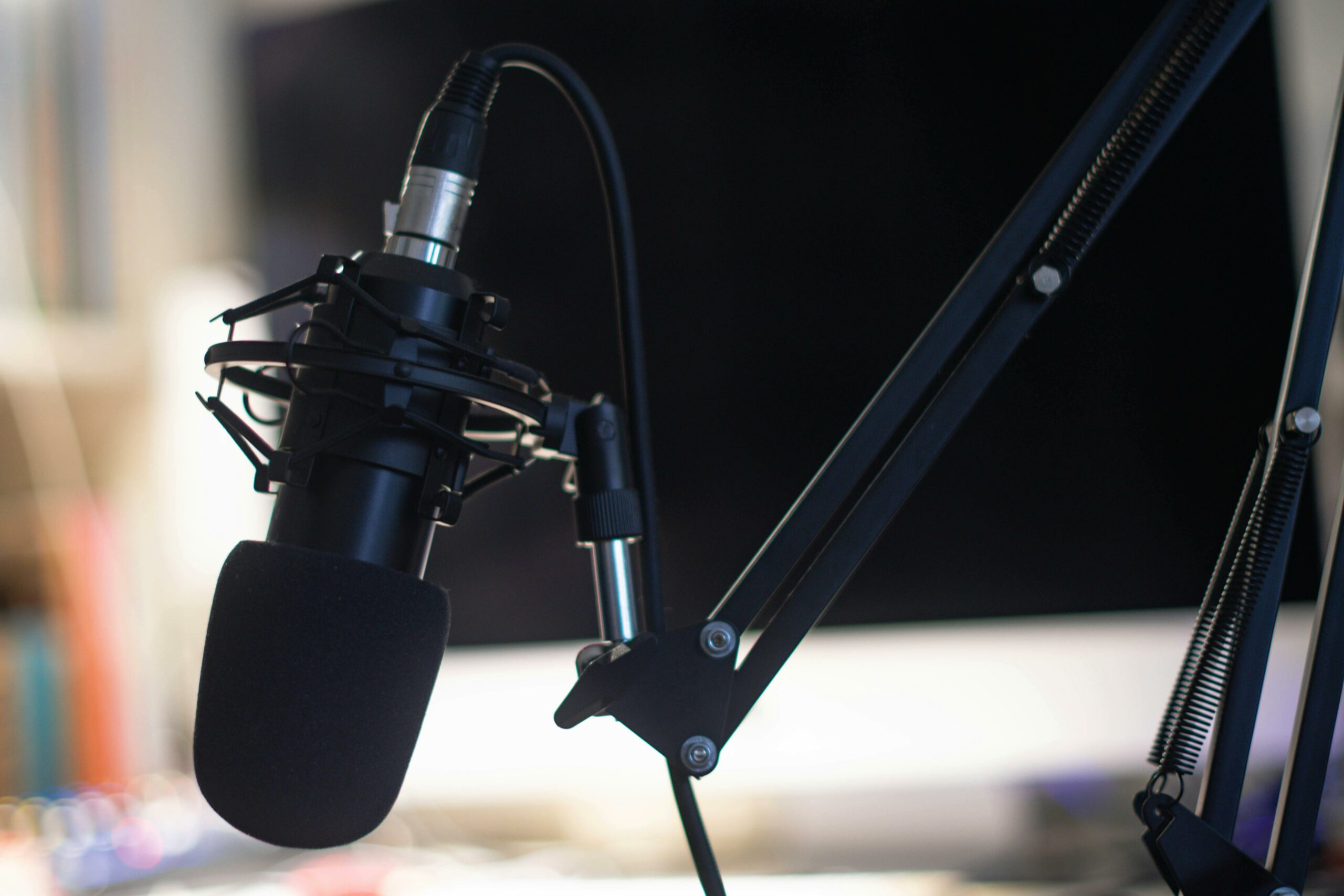
From bedroom studios in Soweto to polished setups in Cape Town, podcasting in South Africa has quietly exploded.
Now, Parliament is starting to take notice.
This week, the Portfolio Committee on Communications and Digital Technologies brought together creators, tech giants, regulators, and policymakers for a rare, wide-ranging conversation about what the future of podcasting in the country should look like.
Not regulation just yet but the beginning of something close.
A booming industry finds its voice
Podcasting is no longer niche. It’s mainstream.
Driven by smartphones, cheaper (though still costly) data, and a growing creator economy, South Africans are tuning in and speaking out in ways that traditional media never quite allowed.
Committee chairperson Khusela Sangoni-Diko described podcasting as one of the most exciting developments in the country’s digital space, pointing out how it has opened doors for new voices, languages, and perspectives.
And she’s not wrong.
From political commentary to relationship advice, true crime to township storytelling, podcasts have become a space where South Africans tell their own stories on their own terms.
But with growth comes tough questions
As the industry grows into a multi-billion rand space, the big question is inevitable: who keeps it in check?
The roundtable wasn’t about imposing rules overnight. Instead, it was framed as a starting point a way to bring everyone into the same room and begin shaping a shared vision.
Participants included major platforms like Meta, TikTok, and Google, alongside regulators such as ICASA and voices from the podcasting community itself.
Regulation vs freedom: finding the balance
One of the strongest themes to emerge? A clear reluctance to over-regulate.
Many stakeholders argued that podcasting thrives precisely because it is open and accessible. Too many rules, they warned, could stifle creativity and shut out emerging voices especially those without big budgets or backing.
Instead, there was growing support for self-regulation, where creators and platforms take responsibility for maintaining standards.
But that doesn’t mean a free-for-all.
The real issues: data, AI, and access
Beyond regulation, the conversation quickly widened to include bigger challenges shaping the industry.
High data costs remain a major barrier. According to figures referenced from the Independent Communications Authority of South Africa, South Africans collectively spend over R150 billion on data a staggering amount that directly affects who can create and who can listen.
Then there’s the rise of artificial intelligence.
From deepfakes to misinformation, AI is reshaping digital content globally, and South Africa is no exception. Officials from the Department of Communications and Digital Technologies acknowledged that stronger policies are needed to manage these risks without slowing innovation.
Learning from past mistakes
There’s also a sense of urgency to get things right this time.
Government officials pointed to past challenges in regulating streaming platforms where legislation lagged behind innovation as a lesson.
The aim now is to stay ahead of the curve, rather than playing catch-up.
“This space belongs to everyone”
One of the most powerful ideas to come out of the roundtable was simple: podcasting should not become elitist.
There were calls to invest in skills development, support small creators, and ensure that ordinary South Africans not just influencers or big media houses can participate in the space.
Some even suggested that the next major media powerhouse could emerge from the podcasting world.
Public reaction: cautious but curious
Online, the discussion has sparked mixed reactions.
Some creators are wary, fearing that regulation could eventually limit freedom of expression. Others welcome the conversation, saying clearer guidelines could protect both audiences and content producers.
For listeners, the debate feels distant for now. But as podcasts continue to shape public opinion, the stakes are growing.
What happens next?
The committee is expected to compile a report outlining key recommendations and next steps.
Whether that leads to formal regulation or a lighter-touch approach remains to be seen.
But one thing is clear: podcasting in South Africa is no longer flying under the radar.
It’s here, it’s growing and now, everyone from creators to lawmakers is trying to figure out what comes next.