News
‘A mountain of loans’: parliament debates South Africa’s 2026 Fiscal Framework
‘A mountain of loans’: parliament debates South Africa’s 2026 Fiscal Framework
South Africa’s 2026 Fiscal Framework and Revenue Proposals sailed through Parliament this week, but not without sparking a storm of debate over debt, job creation, and the government’s approach to public finances. While the proposal received broad support from parties like the ANC, DA, and IFP, critics warned that the framework leaves future generations shackled by soaring debt.
Broad approval, pockets of dissent
In both the National Assembly and the National Council of Provinces, the framework passed with a clear majority. Speaker Thoko Didiza confirmed the results, noting 227 MPs voted in favour, while 271 opposed.
But voices of dissent rang loud from the MK Party, EFF, and the United African Transformation Party.
MK Party MP Des van Rooyen warned that the National Treasury’s borrowing, projected to reach R12 trillion by 2026, is largely fuelling consumption rather than economic growth. “We are building a mountain of loans that our children will inherit,” he said, urging parliamentary committees to exercise stronger oversight rather than rubber-stamping executive priorities.
Echoing these concerns, EFF MP Omphile Maotwe argued the framework fails to tackle critical issues such as job creation, healthcare, and education. “To support this Budget is to support the continuation of poverty and suffering of our people,” she said, highlighting the perceived tension between fiscal policy and everyday realities.
ANC and DA highlight fiscal progress
In contrast, ANC MP Joe Maswanganyi presented the framework as a milestone in economic recovery. He cited improvements in public finances, a credit rating upgrade, and initiatives like Operation Vulindlela Phase 2, which aims to stabilise electricity supply and municipal operations.
DA MP Mark Burke praised the focus on debt stabilisation, noting the absence of new VAT increases and describing the proposals as “quietly competent.”
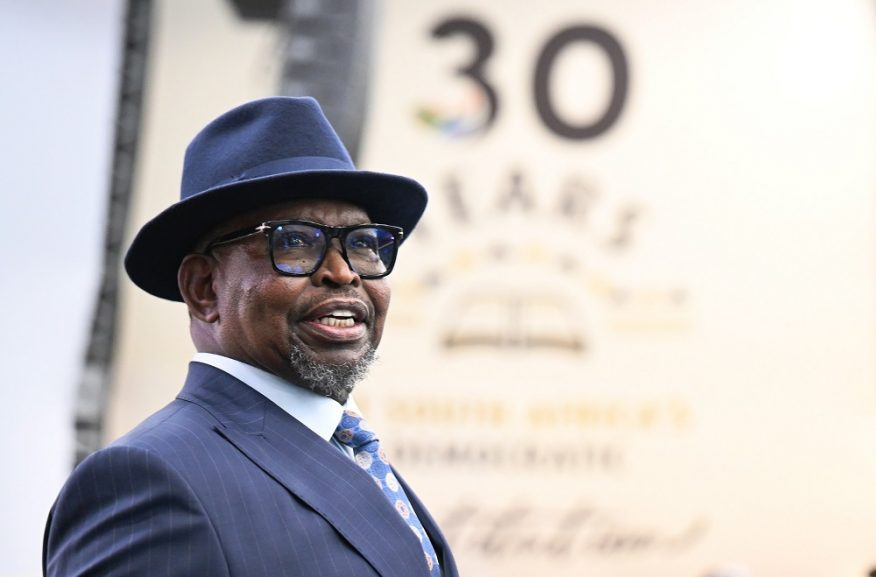
Finance Minister Enoch Godongwana responded by reinforcing that the framework is designed to balance growth with fiscal responsibility. “We are creating an environment conducive to investment while focusing on the socio-economic crisis,” he said.
Social media buzz and public reaction
The debate quickly spilled over onto social media, with commentators divided between optimism about stabilising public finances and fear over the growing debt. Some observers applauded the government for avoiding VAT hikes, while others shared concerns that borrowed money is not being directed toward creating jobs or funding essential services.
As South Africa approaches the 2026 Budget implementation phase, Parliament’s adoption of the Fiscal Framework marks a critical juncture. Critics urge ongoing scrutiny of borrowing practices, while supporters highlight opportunities for investment and infrastructure development.
For many South Africans, the budget debate is more than numbers it’s a question of whether government decisions today will empower the next generation or saddle them with a “mountain of loans.”
{Source: IOL}
Follow Joburg ETC on Facebook, Twitter , TikTok and Instagram
For more News in Johannesburg, visit joburgetc.com