No need to panic, says Mantashe as fuel shipments to South Africa continue
As global headlines fixate on rising tensions in the Middle East, many South Africans are asking the same question: Are we about to run out of fuel?
According to Gwede Mantashe, the answer for now is no.
Speaking in Parliament this week, the Mineral and Petroleum Resources Minister moved to calm nerves, assuring the country that fuel shipments bound for South Africa are still moving freely through one of the world’s most critical oil routes: the Strait of Hormuz.
A global crisis hits close to home
The ongoing conflict involving the United States and Israel against Iran has triggered widespread concern about global oil supply.
For South Africans, that anxiety isn’t abstractit shows up at the pump. With another fuel price increase looming, conversations about shortages and price shocks have taken over WhatsApp groups, taxi ranks, and social media timelines.
But Mantashe insists that, despite the geopolitical tension, ships carrying petroleum products to South Africa are continuing their journeys without disruption.
Parliament seeks answers on fuel security
The issue was formally raised in the National Assembly, where MPs questioned whether the country is prepared for prolonged global supply shocks.
The concern is valid. South Africa imports a significant portion of its fuel, making it vulnerable to international instabilityespecially in regions like the Middle East, where a large share of the world’s oil passes through narrow shipping routes.
Mantashe’s response was clear: there is currently no interruption to supply lines, and no immediate threat to fuel availability.
Why the Strait of Hormuz matters
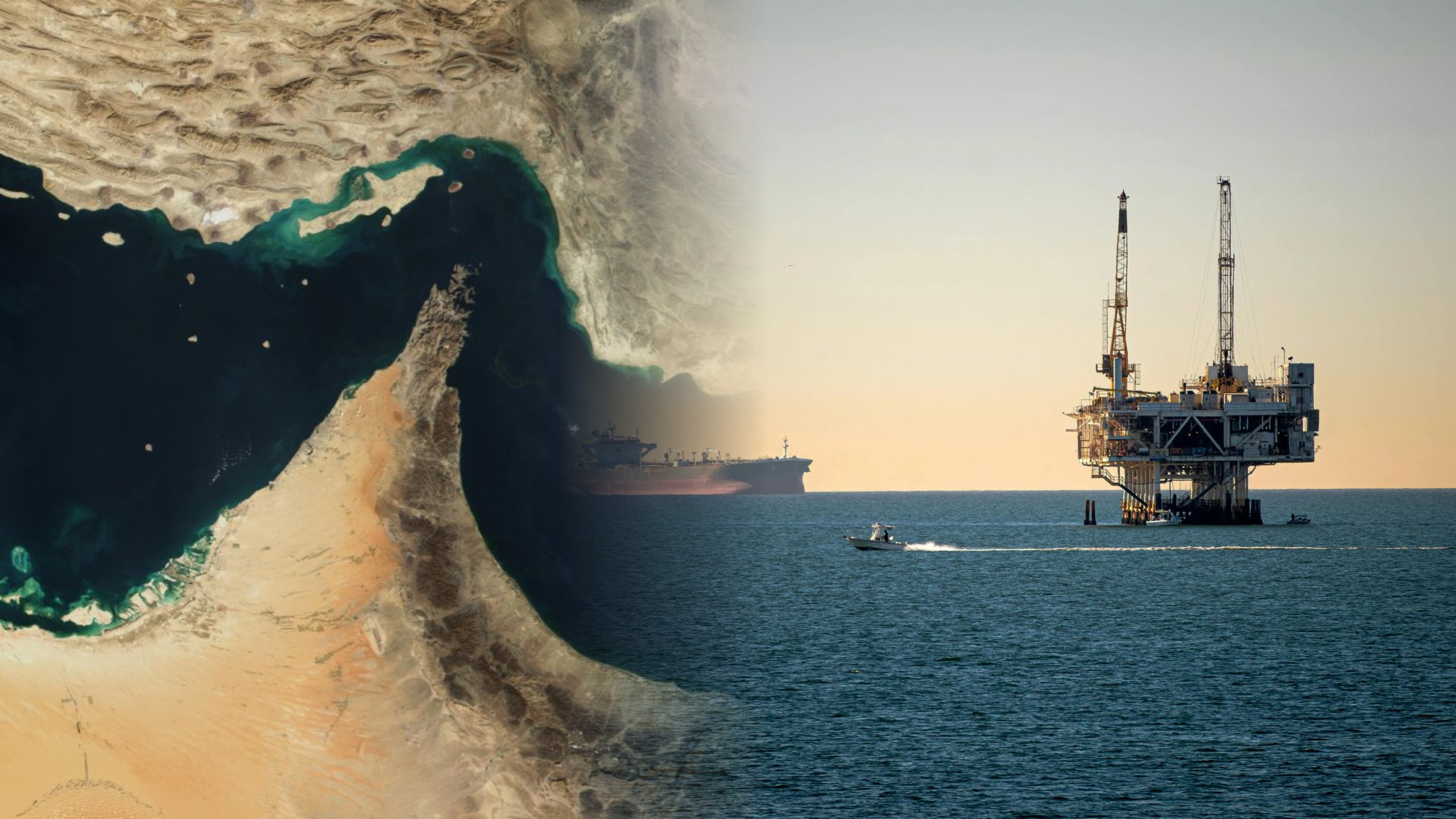
If there’s one chokepoint that keeps energy analysts awake at night, it’s the Strait of Hormuz.
This narrow passage connects the Persian Gulf to global markets, and a significant portion of the world’s oil shipments move through it daily. Any disruption therewhether from conflict, blockades, or attackscan send shockwaves through global fuel prices almost instantly.
So far, however, vessels heading to South Africa are passing through without incident.
Price pain still coming
While supply may be stable, South Africans won’t escape the financial impact.
Even without direct disruptions, global conflict tends to push oil prices upward. That increase filters down quickly, meaning motorists could still face higher fuel costs in the coming weeks.
In other words: the pumps won’t run drybut filling up may hurt more.
Public reaction: relief mixed with scepticism
Online, reactions have been mixed.
Some South Africans welcomed the reassurance, with many saying the country has seen enough panic buying in recent years. Others remain cautious, pointing out how quickly global situations can change.
“Today it’s fine, tomorrow it’s chaos,” one user posted on X (formerly Twitter), reflecting a broader sense of uncertainty.
A familiar vulnerability
This isn’t the first time South Africa has had to confront its dependence on global fuel supply chains.
From refinery shutdowns to pandemic disruptions, the country has repeatedly been reminded how exposed it is to external shocks. The latest Middle East tensions simply highlight that reality once again.
Mantashe’s message may bring short-term comfort, but it also underscores a longer-term challenge: South Africa’s reliance on imported fuel in an increasingly unstable global environment.
For now, the ships are sailing, and the fuel is flowing.
But as global tensions simmer, South Africans will be watching closelyespecially when the next fuel price is announced.