News
From promise to pressure: Why the PIC is selling off Daybreak Foods
From promise to pressure: Why the PIC is selling off Daybreak Foods
A state-backed dream that didn’t quite land
There was a time when Daybreak Foods represented something bigger than just chicken.
It was meant to be a symbol of transformation in South Africa’s agricultural sector a state-backed success story that would create jobs, strengthen food security, and shift ownership in one of the country’s least transformed industries.
Now, more than a decade later, that vision is being quietly unwound.
The Public Investment Corporation (PIC) has confirmed it is looking to sell more than 60% of Daybreak Foods, effectively stepping back from a company it fully owns.
Why the PIC wants out
According to PIC leadership, the decision is less about choice and more about necessity.
The asset manager, which oversees roughly R3.7 trillion in government workers’ pension funds, became the sole shareholder in Daybreak “by default” over time. Now, it wants a strategic equity partner to step in, invest, and ideally stabilise the business.
In simple terms: the PIC doesn’t want to run a poultry company.
And after years of financial strain, controversy, and operational challenges, it’s clear why.
A troubled road to business rescue
Daybreak Foods has spent the past few years under intense scrutiny.
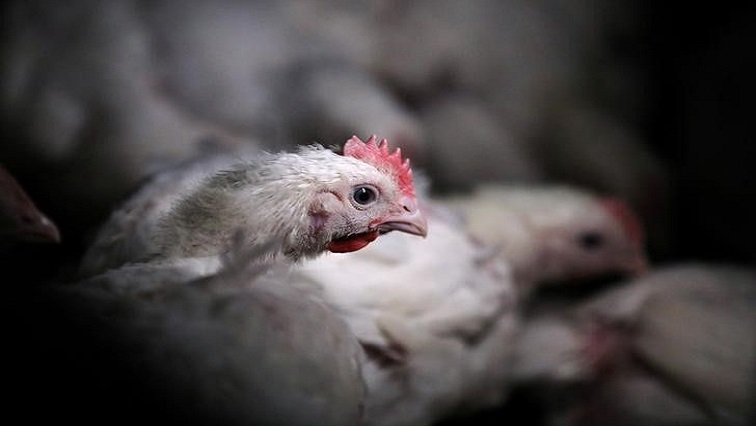
From allegations of mismanagement and regulatory issues to widely criticised incidents of animal cruelty, the company’s reputation has taken repeated hits. Financial distress eventually pushed it into business rescue in June last year a formal attempt to restructure and save the business.
There have been signs of improvement since then, but not enough to convince the PIC to stay the course.
Instead, the focus has shifted to finding a buyer who can bring both operational expertise and fresh capital.
How did it get here?
To understand the fall, you have to go back to the beginning.
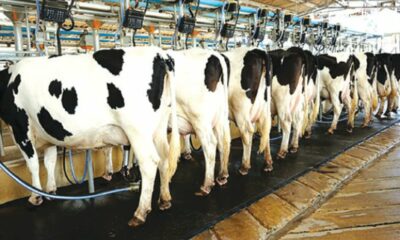
Founded in 2001, Daybreak Foods grew into one of South Africa’s largest poultry producers, with operations spanning Gauteng, Mpumalanga, Limpopo, and KwaZulu-Natal.
At its peak, the company could produce around nine million birds in a single production cycle a massive footprint in a country that consumes chicken as its most affordable and widely eaten protein.
When the PIC acquired the business in 2015 for over R1 billion, the move was seen as strategic.
The goals were ambitious:
- Boost black ownership in agriculture
- Create jobs, particularly in rural areas
- Strengthen national food security
- Deliver both financial returns and social impact
It was, on paper, a near-perfect fit for a developmental investment.
The bigger poultry picture
Even now, Daybreak Foods still accounts for roughly 6% of South Africa’s chicken supply no small contribution in a market producing close to 1.7 million tons of poultry annually.
But it operates in a highly competitive space, alongside major players like Astral Foods and Rainbow Chicken, the latter linked to billionaire businessman Johann Rupert through Remgro.
That competition, combined with rising input costs (like feed and fuel), has made survival increasingly difficult for struggling producers.
Public reaction: frustration and concern
News of the planned sale has sparked mixed reactions.
On one hand, some see it as a necessary step a chance to bring in experienced operators who can turn the business around.
On the other, there’s growing frustration over how a well-funded, state-backed investment could unravel so publicly.
Online, the conversation has quickly shifted to bigger questions:
- Are public funds being managed effectively?
- What happens to workers if ownership changes?
- And what does this mean for food prices in the long run?
For many South Africans already dealing with rising living costs, the idea of instability in the poultry sector hits close to home.
A portfolio under pressure
Daybreak isn’t the only challenge on the PIC’s books.
The asset manager’s unlisted investment portfolio valued at around R127 billion includes several distressed assets. Officials have acknowledged the need for specialist intervention to turn some of these around.
In that context, exiting Daybreak starts to look less like a single decision and more like part of a broader clean-up strategy.
What happens next?
For now, the focus is on finding the right buyer not just anyone with cash, but a partner capable of rebuilding trust, improving operations, and sustaining production.
Because beyond balance sheets and boardrooms, there’s a bigger issue at play.
Chicken isn’t a luxury in South Africa. It’s a staple.
And what happens to companies like Daybreak Foods doesn’t just affect investors it affects households, workers, and the broader economy.
The story of Daybreak Foods is, in many ways, a reflection of South Africa’s broader economic balancing act: ambition meets reality, and good intentions meet operational challenges.
The PIC’s exit marks the end of one chapter but what comes next will determine whether this is a story of recovery… or a cautionary tale that lingers for years to come.
{Source: BusinessTech}
Follow Joburg ETC on Facebook, Twitter , TikTok and Instagram
For more News in Johannesburg, visit joburgetc.com