Another BBC scandal raises old questions about accountability and trust
A familiar headline and a growing sense of déjà vu
For many following global media news, the latest controversy involving the BBC feels uncomfortably familiar.
The British public broadcaster has once again found itself under scrutiny after confirming it dismissed a prominent radio presenter following allegations linked to personal conduct. While details remain limited, the development has reopened a long-standing conversation about accountability inside one of the world’s most influential media institutions.
What we know so far
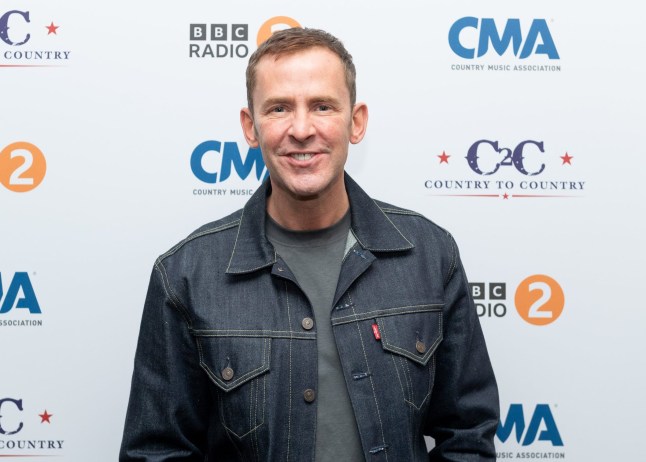
The BBC confirmed earlier this week that it had fired Scott Mills, a well-known host associated with its popular Radio 2 breakfast show.
The broadcaster did not go into specifics, but reports from UK media suggest the decision is linked to historic allegations involving the sexual abuse of a minor under the age of 16.
According to those reports, the allegations date back to incidents said to have occurred between the late 1990s and early 2000s.
A case that once went quiet
The matter is not entirely new.
The Metropolitan Police had previously opened an investigation in 2016 into claims of serious sexual offences involving a teenage boy.
A man in his 40s was later questioned under caution in 2018, but the case was eventually dropped due to insufficient evidence.
Now, years later, the situation has resurfaced not through a court ruling, but through internal action taken by the broadcaster itself.
Public reaction: scepticism and fatigue
On social media, reaction has been swift and in many cases, weary.
There’s a growing sense among audiences that scandals of this nature are no longer shocking, but expected. Some users have questioned why action appears to come years after initial allegations, while others are asking how institutions handle complaints behind closed doors.
There’s also a deeper frustration bubbling beneath the surface: a belief that powerful organisations often move slowly or only act decisively once public pressure builds.
A shadow that hasn’t lifted
This latest controversy doesn’t exist in isolation.
The BBC has, over the years, been linked to several high-profile abuse cases involving its talent. The most infamous remains Jimmy Savile, whose decades-long abuse of hundreds of victims only came fully to light after his death in 2011.
The fallout from that case triggered one of the most significant internal reckonings in the broadcaster’s history, forcing it to confront questions about oversight, culture, and accountability.
Other figures, including Stuart Hall and Rolf Harris, were later convicted of sexual offences involving minors.
More recently, former news presenter Huw Edwards received a suspended sentence in 2024 for offences related to indecent images of children.
Why this story still matters
For a broadcaster like the BBC often seen as a global benchmark for journalism each new allegation carries weight far beyond the UK.
In South Africa, where public trust in institutions is already fragile, stories like this resonate strongly. They feed into broader conversations about power, accountability, and whether large organisations can truly police themselves.
It also raises an uncomfortable but necessary question: how many warning signs get missed when reputation is at stake?
A broader conversation about institutions
The reality is, scandals of this nature aren’t unique to one broadcaster or one country.
But the BBC’s history makes each new case feel heavier less like an isolated incident, and more like part of a pattern that refuses to fully disappear.
For audiences, the issue isn’t just about individual wrongdoing. It’s about systems:
- How complaints are handled
- How long investigations take
- And whether transparency is prioritised over reputation
The dismissal of a high-profile presenter may close one chapter, but it doesn’t end the conversation.
If anything, it adds another layer to an already complex history one that continues to challenge how institutions balance power, responsibility, and public trust.
And as this story unfolds, one thing is clear: audiences are no longer just watching.
They’re asking harder questions and expecting better answers.