SARS hits R2 trillion milestone, but the real story is seven years in the making
A historic number, quietly built over time
R2 trillion.
It’s the kind of number that sounds abstract until you realise it shapes everything from service delivery to whether VAT goes up or stays put.
For the 2025/26 financial year, the South African Revenue Service (SARS) has crossed that line for the first time, collecting a record R2.01 trillion in net revenue.
Even more notable? That’s R24.7 billion more than what was projected just a year ago.
In a slow-growing economy, that kind of performance raises a big question: how did they pull it off?
The VAT hike that didn’t happen
If you remember the anxiety around Budget 2025, there was real concern that VAT might increase again something that would have hit already-stretched households hard.
But thanks to stronger-than-expected revenue collection, that increase was avoided.
For many South Africans, that’s where this story becomes personal. It’s not just about numbers on a spreadsheet it’s about the cost of groceries, transport, and everyday life staying (slightly) more manageable.
Not luck a long-term strategy
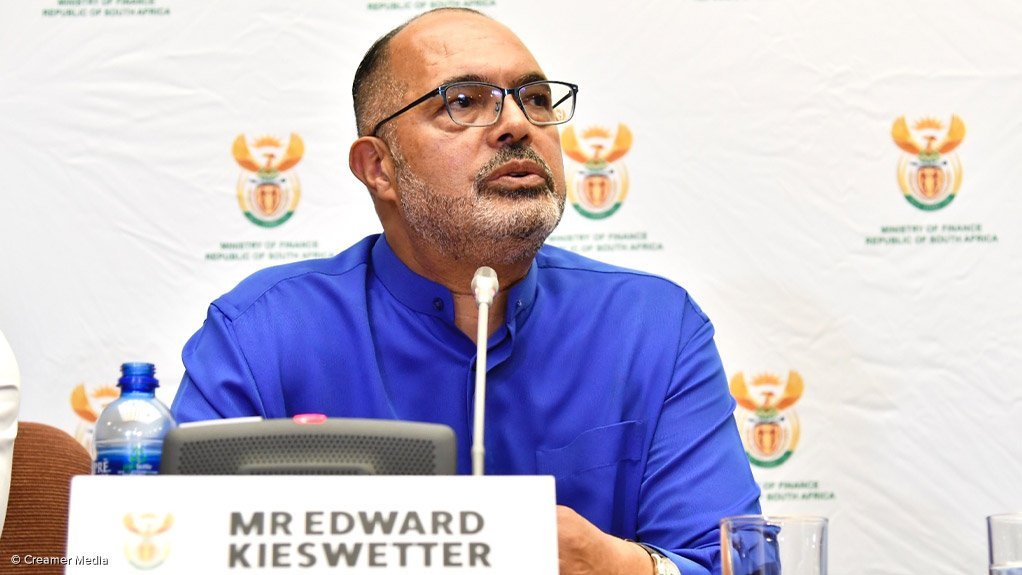
According to outgoing SARS Commissioner Edward Kieswetter, this milestone didn’t happen overnight.
In fact, he’s been clear: the 2026 result is the outcome of seven years of groundwork.
Since taking office, his team has focused on:
- Expanding the tax base (getting more people and businesses registered)
- Ensuring taxpayers actually file returns
- Following up on unpaid taxes consistently
And it’s working.
Registration compliance has climbed to nearly 90%, while payment compliance has improved to around 75% a major jump from levels that hovered in the 50–60% range just a few years ago.
The “compounding effect” explained
Kieswetter describes it as a compounding effect similar to interest in a savings account.
Once a taxpayer becomes compliant and stays compliant, that behaviour adds value year after year. Multiply that across millions of taxpayers, and you start to see exponential gains.
That’s how SARS has managed to grow revenue by about 8.4% annually, even while the broader economy has been growing at less than 5%.
It’s less about economic boom and more about tightening the system.
Social media reaction: “So where is the money going?”
As expected, South Africans had thoughts.
While some praised SARS for improving efficiency and closing loopholes, others quickly turned to a more familiar question:
If we’re collecting more tax than ever… why does it still feel like services are struggling?
It’s a fair question and one that speaks to a broader trust gap between revenue collection and government spending.
On platforms like X and Facebook, the sentiment has been mixed:
- Applause for better enforcement
- Frustration about corruption and service delivery
- Curiosity about how this money will be used
The shadow economy problem
Even with record collections, SARS admits there’s a major challenge still lurking in the background: the illicit economy.
From illegal trade to unregistered businesses, it’s estimated that South Africa loses over R100 billion in revenue every year due to these activities.
That’s money that could otherwise go toward infrastructure, healthcare, or education.
And it highlights a key tension while compliance is improving in the formal economy, a significant portion of economic activity still sits outside the system.
A turning point for SARS?
Over the past decade, SARS has gone through its own ups and downs, including a period of institutional decline that affected its credibility and efficiency.
The past seven years have largely been about rebuilding:
- Restoring systems
- Strengthening enforcement
- Rebuilding public trust
This R2 trillion milestone feels like a marker of that recovery, but not necessarily the finish line.
SARS’ record-breaking revenue collection tells a bigger story than just numbers.
It’s about a system slowly becoming more effective, a government trying to stabilise its finances, and a country navigating the delicate balance between taxation and trust.
For everyday South Africans, the real question isn’t just how much is collected
It’s whether that money translates into meaningful change where it matters most.