Markets
The best Johannesburg markets to explore in 2026 for food, crafts, and local finds
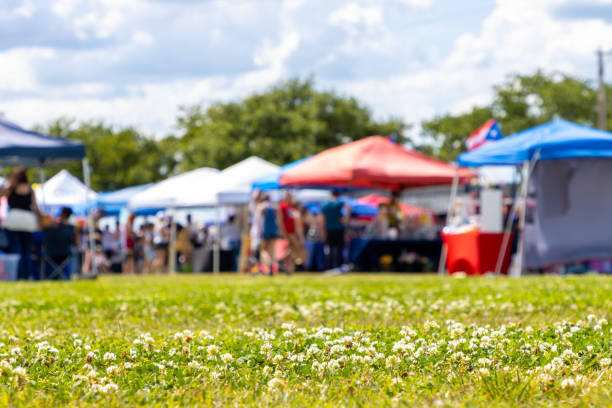
There is something about a Joburg market that feels like the city at its most alive. It is the smell of grilled food drifting through the air, the hum of music somewhere in the background, and the quiet satisfaction of finding something handmade that no mall could ever offer.
In 2026, Johannesburg’s market scene continues to draw locals looking for good food, creative spaces, and a break from the usual weekend routine. From leafy suburban farmers’ markets to gritty inner-city creative hubs, these spaces have become where people go to unwind, connect, and rediscover the city.
If you are planning your weekends or just looking for something new, here is where Joburg really comes together.
Also read: The ultimate Johannesburg weekend: Outdoor adventures and safari escapes for 2026
Weekend favourites everyone keeps going back to
Some markets in Johannesburg are more than just events. They are rituals.
The Fourways Farmers Market continues to draw crowds every weekend, now firmly settled in Modderfontein. It is known for its picnic-style setting, gourmet food stalls, live music, and a relaxed, family-friendly atmosphere, running on both Saturdays and Sundays. Dogs on leads, kids running around, and groups sprawled out on blankets are all part of the experience.
Over in Sandton, the Bryanston Market remains one of the city’s most trusted names. It has been around for decades, and its focus on organic produce, sustainability, and handcrafted goods still feels relevant today. It is open on Thursdays and Saturdays, and its slower pace is part of the charm.
Then there is the Rosebank Sunday Market, perched on the rooftop of Rosebank Mall. With over a hundred traders, it blends African crafts, vintage finds, clothing, and global street food with one of the best skyline views in the city. It is busy, a little chaotic but always worth the visit.
Creative corners and artistic escapes
Not every market in Joburg is about shopping. Some are about atmosphere.
Victoria Yards stands out as one of the most unique spaces in the city. Held on the first Sunday of each month, it opens up artist studios, galleries, and garden spaces alongside food stalls and crafts. It feels less like a market and more like stepping into a working creative community.
This is the kind of place where you might buy handmade ceramics, then end up chatting to the person who made them. That connection is what keeps people coming back.
Seasonal markets worth planning around
Some of Joburg’s best markets only come around a few times a year, and locals know to mark their calendars early.
The Linden Market, hosted at the Johannesburg Botanical Gardens, has become one of the most anticipated events on the city’s calendar. With editions in autumn, winter, spring, and the festive season, it focuses on design, fashion, jewellery, and curated artisanal products. It is also pet-friendly, which adds to its easy-going appeal.
The Field Market in Parkmore is another favourite, running monthly through most of the year. It offers a relaxed outdoor setting with walking trails, live music, and a strong focus on local makers.
Then there are bigger event-style markets such as KAMERS Makers and the Rand Show marketplace, which bring together hundreds of exhibitors and give smaller brands a national stage.
Niche markets and cultural gems
Johannesburg’s diversity shows up clearly in its more specialised markets.
The Vegan Hippie Connection Market caters to the growing plant-based community with food, lifestyle products, and live entertainment, usually held monthly. It has built a loyal following, especially among younger crowds.
The Halaal Goods Market hosts curated pop-up events focused on premium halaal food and design, typically taking place a few times a year.
In Fordsburg, the market scene leans into rich cultural roots, offering everything from Indian and Middle Eastern street food to traditional clothing and music. It is less curated, more energetic, and deeply authentic.
The everyday markets that keep the city moving
While weekend markets get the spotlight, some of Joburg’s busiest trading spaces operate more regularly.
The Joburg Market, one of the largest fresh produce markets in Africa, supplies much of the city’s fruit and vegetables. It is more functional than leisurely, and access usually requires registration, but it plays a vital role in the local food system.
Kerk Street Market in the city centre offers a traditional street market experience, with fresh produce, clothing, and everyday goods.
Kwa Mai Mai remains one of the most culturally significant markets in Johannesburg. Known for traditional medicine and its famous shisanyama, it is a place where heritage, food, and community come together in a very real way.
What locals are saying in 2026
Across social media, Joburg markets continue to trend as one of the easiest ways to spend a weekend without overplanning.
There is a noticeable shift towards supporting local, with more people choosing handmade goods over mass-produced items. Food also remains a major draw, with new vendors constantly popping up and turning markets into informal food experiences.
At the same time, regulars are becoming more selective. Crowds, pricing, and parking are frequent talking points online, especially at the bigger markets. Still, people keep coming back for the atmosphere and variety.
Tips for making the most of your visit
Getting the best out of a Joburg market is simple if you time it right.
Arriving early often means better access to fresh produce and fewer crowds.
Bringing a mix of card and cash helps, especially for smaller stalls that may not have card facilities.
Parking can vary widely depending on the venue, so it is worth planning ahead, particularly for inner-city locations.
Why Joburg’s markets still matter
In a city that moves as fast as Johannesburg, markets offer something rare. They slow things down.
They create space for small businesses, for creativity, and for community. Whether you are there for the food, the music, or just the atmosphere, these markets tell a story about the city that you will not find anywhere else.
And in 2026, that story is still evolving.
Also read: 3 days in Johannesburg: Your 2026 guide to culture, history, and safari
Follow Joburg ETC on Facebook, Twitter, TikT
For more News in Johannesburg, visit joburgetc.com
Featured Image: iStock