Best of Johannesburg
Johannesburg travel guide 2026: The best of history, culture, and Jozi energy
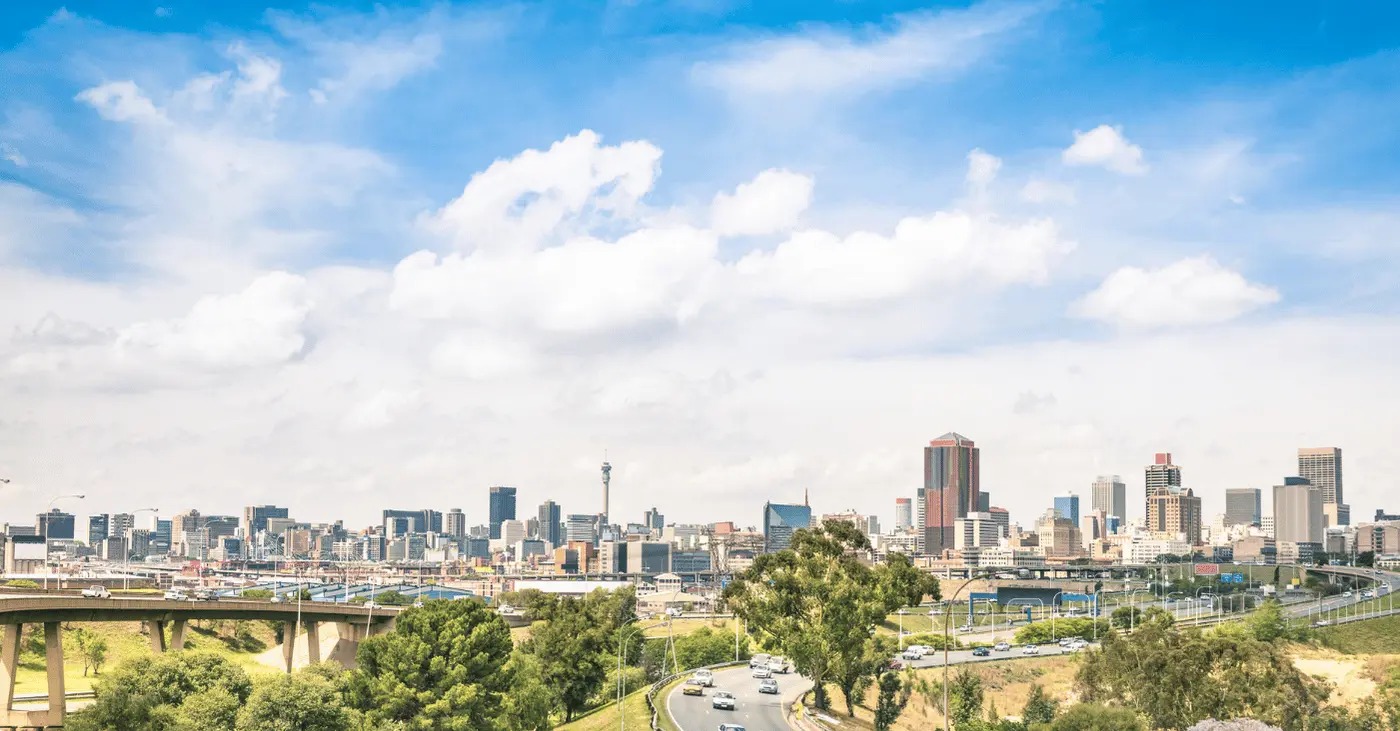
Johannesburg is not the kind of city that gently introduces itself.
It arrives fast. In the hum of the Gautrain, in the layers of memory built into old streets, in the art-covered corners of the inner city, and in the way one suburb can feel polished and global while another feels deeply rooted in struggle, survival, and reinvention. That contrast is exactly what makes Joburg unforgettable.
If you are visiting in 2026 and want the best version of the city, the trick is not to chase everything. It is to balance the long, essential history with the creative, social side of modern Jozi. Do that well, and the city opens up.
Also read: Budget-friendly things to do in Johannesburg in 2026
Start with the places that explain South Africa
There are two stops that should sit at the top of almost every Johannesburg itinerary: the Apartheid Museum and Constitution Hill.
The Apartheid Museum gives vital context to South Africa’s past and democratic journey. It is the kind of place that asks you to slow down and really absorb what you are seeing. Constitution Hill continues that story from another angle. Once a prison complex, it now stands as a symbol of constitutional democracy, with the Constitutional Court on site. Together, these two landmarks give visitors more than a history lesson. They give Johannesburg emotional depth.
This is also why so many first-time visitors leave surprised. Joburg is often spoken about as a business city, but once you spend time in these spaces, it becomes clear that it is also one of the country’s most important places of memory.
Soweto is not optional
No meaningful Johannesburg trip is complete without Soweto.
Vilakazi Street remains one of the city’s most powerful and recognisable addresses, famous for being the only street in the world associated with two Nobel Peace Prize winners, Nelson Mandela and Archbishop Desmond Tutu. Walking here is about far more than ticking off a landmark. It is about feeling the texture of a place that carries huge historical weight while still being alive with restaurants, visitors, music, and neighbourhood energy.
Pair Vilakazi Street with Mandela House and the Hector Pieterson Museum for a fuller understanding of Soweto’s place in South African history. This part of the city is often where visitors feel Joburg most sharply. It is personal, layered, and impossible to reduce to one story.
A good Soweto visit is never just sightseeing. It is conversation, perspective, and context.
Then see the city Johannesburg is becoming
Once you have sat with the city’s history, head into the spaces that show its creative pulse.
Maboneng remains one of Johannesburg’s best-known urban regeneration districts, with galleries, cafés, design shops, and a distinctly inner-city atmosphere. It still draws travellers who want street art, rooftop energy, and that sense of being in a city that keeps reinventing itself.
Victoria Yards offers something a little quieter and more grounded. It is a creative precinct where artisan workshops, studios, food, and community spirit come together in a way that feels distinctly Joburg. If Maboneng is the city showing off its cool side, Victoria Yards is the city showing you how creativity and local enterprise can grow from the ground up.
That story of reinvention matters in 2026. Johannesburg is still a city of tension and unevenness, but it is also a city where new ideas keep finding space.
Rosebank, Melville, and the softer side of Jozi
Not every day in Joburg needs to be heavy.
Rosebank is one of the easiest neighbourhoods for visitors to ease into, especially if you want galleries, restaurants, and a more walkable urban rhythm. It works well for travellers who want a polished base with culture close at hand. Everard Read remains one of the area’s headline art stops, and the broader district has become one of the city’s most visitor-friendly hubs.
Melville offers a different mood. It is more relaxed, more bohemian, and better suited to long coffees, independent shops, and slow afternoon wandering. For many locals, this is where Joburg feels most intimate.
Together, these neighbourhoods remind visitors that the city is not all monuments and major sites. It also does café culture, conversation, and a very particular kind of urban charm.
Getting around without making life difficult
The smartest airport move is still the Gautrain. It remains one of the quickest and most reliable ways to get from O.R. Tambo International Airport to Sandton, with Rosebank easily connected via the same system.
After that, Joburg works best when you plan transport properly. A rental car gives you flexibility, especially if you want to move between suburbs on your own schedule. If you would rather keep things simple, the hop-on-hop-off sightseeing bus is a useful option for first-time visitors wanting a broader city overview. Reputable e-hailing services are also the safer choice for door-to-door trips, particularly after dark.
Joburg is not a city where you should improvise too much with transport. That is not fearmongering. It is just practical travel sense.
When to go
For many travellers, the sweet spots are March to May and September to November. These shoulder-season months tend to be more comfortable for exploring, and they usually bring a little more breathing room than the busiest holiday periods.
If social media has helped shape Joburg’s image lately, it is probably by showing off its contrast. One minute, it is jacaranda season and soft purple streets. Next, it is a striking museum corridor, a Soweto lunch stop, or a wall of street art in the inner city. That mix is what keeps the city interesting.
The real Johannesburg experience
The best Johannesburg trip in 2026 is not about rushing from one tourist stop to the next. It is about understanding how the city holds grief, ambition, style, memory, and momentum all at once.
Come for the history, absolutely. But leave room for art spaces, neighbourhood cafés, creative precincts, and long conversations. Joburg makes the strongest impression when you let it be both serious and alive.
That is the real city. Complex, sharp, warm, restless, and far more rewarding than many people expect.
Also read: Johannesburg winter 2026: The best events and experiences to explore
Follow Joburg ETC on Facebook, Twitter, TikT
For more News in Johannesburg, visit joburgetc.com
Featured Image: joburg.co.za