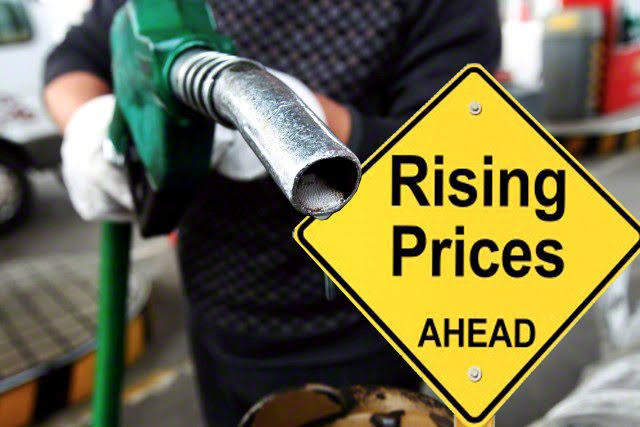
If your wallet already feels stretched at the fuel pump, May could make things even tougher.
Early data is painting a worrying picture for motorists across South Africa, with petrol and diesel prices still tracking well above where they should be. And while there are small signs of relief, the bigger story is one of mounting pressure that could hit hard in the coming weeks.
The Numbers Tell A Tough Story
According to the latest snapshot from the Central Energy Fund, fuel prices are still deep in under-recovery territory.
Petrol is currently showing an under-recovery of around R3.25 to R3.63 per litre. Diesel is in an even more dramatic position, sitting above R10 per litre in under-recovery. Paraffin is also climbing sharply.
In simple terms, this means fuel is being sold below its true cost and those gaps are likely to be corrected soon. For drivers, that usually translates into higher prices at the pump.
There is a slight silver lining. At the start of April, those under-recoveries were far worse. Petrol was closer to R8 and diesel as high as R17 per litre. The situation has improved, but not nearly enough to avoid a painful adjustment.
A Fragile Calm In Global Markets
Part of the recent easing comes from developments far beyond South Africa’s borders.
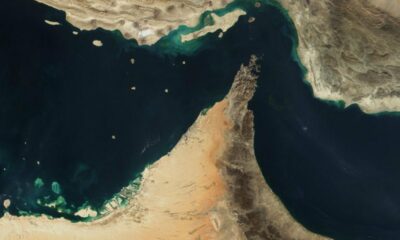
A temporary ceasefire in the Middle East has helped cool global oil prices, giving markets a brief moment to breathe. Oil prices dropped significantly after the announcement, but the calm feels uncertain.
The concern is that this relief may not last. Tensions are already bubbling again, and if the ceasefire fails, oil prices could surge quickly. For South Africans, that would mean even higher fuel costs.
This highlights a reality many drivers know all too well. Local petrol prices are heavily influenced by global events, leaving South Africa vulnerable to shocks it cannot control.
The Tax Factor That Could Make Things Worse
While global oil prices are one part of the equation, there is another issue much closer to home.
In April, motorists got temporary relief through a roughly R3 per litre fuel tax break. That relief is expected to fall away soon.
If that happens in May, it could significantly amplify the increases already on the cards. Some economists warn that reintroducing the full tax could nearly double the expected hike.
This is where things become especially difficult. Even if global prices stabilise, local policy decisions could still push fuel costs higher.
Why This Matters Beyond The Pump
Fuel prices in South Africa do not just affect drivers. They ripple through the entire economy.
From taxi fares to food delivery costs, and even supermarket prices, higher fuel costs tend to show up everywhere. For many households already dealing with rising living costs, another jump could tighten budgets even further.
It also adds pressure on inflation, which has been a key concern for policymakers trying to keep the economy stable.
Calls For Longer-Term Fixes
There may be some hope on the horizon, but it is not immediate.
Government has indicated that it is looking at longer-term solutions, including reviewing how fuel prices are structured locally. This could involve changes to retail margins and other controllable elements of the price.
However, these kinds of reforms take time. They are unlikely to bring immediate relief for May.
Public Reaction: Frustration Is Growing
Across social media and everyday conversations, frustration is building.
Many South Africans are questioning how long they can absorb rising fuel costs, especially with no clear end in sight. Others are calling for more consistent government intervention to cushion the blow.
For commuters, small business owners, and delivery drivers, the concern is simple. Every cent added at the pump chips away at already tight margins.
The Bottom Line
Right now, all signs point to a significant fuel price increase in May.
While global developments have softened the blow slightly, they have not changed the bigger picture. Add the likely return of fuel taxes, and the pressure on motorists becomes even harder to ignore.
For South Africans, the message is clear. The road ahead is going to be expensive.