For thousands of households in eThekwini, opening a municipal bill has become less about checking usage and more about bracing for shock.
At the centre of growing frustration is the municipality’s continued reliance on estimated billing, a practice that many residents and councillors say is leaving people overcharged, confused, and financially stretched.
Estimated Bills Raise Red Flags
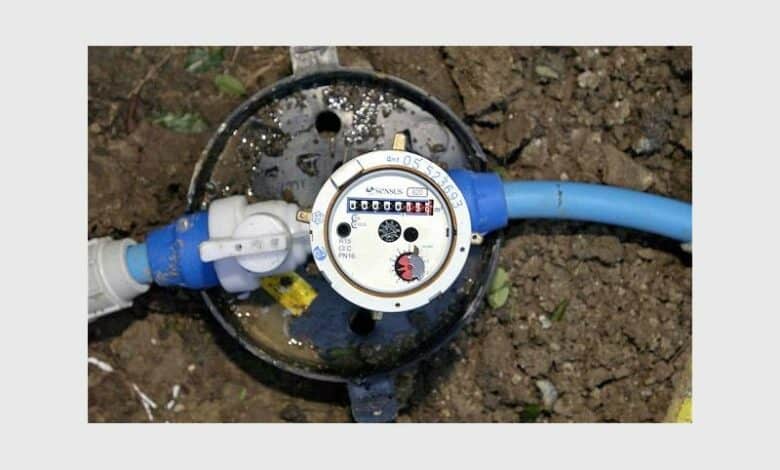
The latest finance committee report paints a mixed picture. While the municipality managed to read over 524,000 water meters in February 2026, more than 64,000 accounts were still based on estimates.
The electricity figures tell a similar story. Over 309,000 meters were read, but more than 57,000 were estimated. Add to that nearly 23,000 faulty meters flagged for repair, and the scale of the issue becomes clear.
On paper, the municipality says nearly all accounts were billed over the first two months of the year. But critics argue that billing alone is not the problem. Accuracy is.
Residents Feel The Financial Pressure
For many households, the impact goes beyond numbers on a page. It is about real money leaving already tight budgets.
One of the most telling examples comes from Clermont, where a pensioner living alone reportedly received a bill of R3,200. With minimal electricity use and no major appliances, the figure raised serious questions about how estimates are calculated.
In Westville, another elderly resident faced a similar situation, with billing figures that did not match the reality of his one-bedroom flat. Even after raising concerns, the issue reportedly dragged on for months without correction.
These stories reflect a broader frustration across the metro. Many residents say they are willing to pay for what they use, but not for what they believe are inflated or inaccurate estimates.
Councillors Slam “Failure” In Billing System
Opposition voices within council have not held back.
DA councillor Ngiphiwe Xulu described the situation as residents being “short-changed”, arguing that faulty meters and estimated billing distort what people actually owe. She also questioned the reach of support measures, pointing out that only 190 indigent rebates were issued in February in a metro with millions of residents.
ACDP councillor Jameel Essop went further, calling the situation a failure of governance. He described estimated billing as a hidden burden on residents, warning that it erodes trust between the municipality and the public.
His message was clear. The issue is not that residents refuse to pay, but that they are losing confidence in the system itself.
The Bigger Picture Behind The Crisis
Part of the problem lies beyond billing systems alone. The collapse of South Africa’s postal service has disrupted how municipal bills are delivered, forcing eThekwini to shift toward digital platforms.
Mayor Cyril Xaba says more residents are now using e-services and municipal apps to access their accounts and submit meter readings. While this shift is gaining traction, it also highlights a digital divide. Not every household has easy access to online tools, especially older residents who rely on traditional methods.
Trust On The Line For eThekwini
At its core, this crisis is about more than faulty meters or missed readings. It is about trust.
Municipal billing is one of the most direct relationships between a city and its residents. When that system fails, it affects not just finances but also confidence in local government.
For a city like eThekwini, where many households are already navigating economic pressure, accurate billing is not a luxury. It is a necessity.
Until that balance is restored, estimated bills will continue to feel less like a stopgap and more like a gamble residents cannot afford.