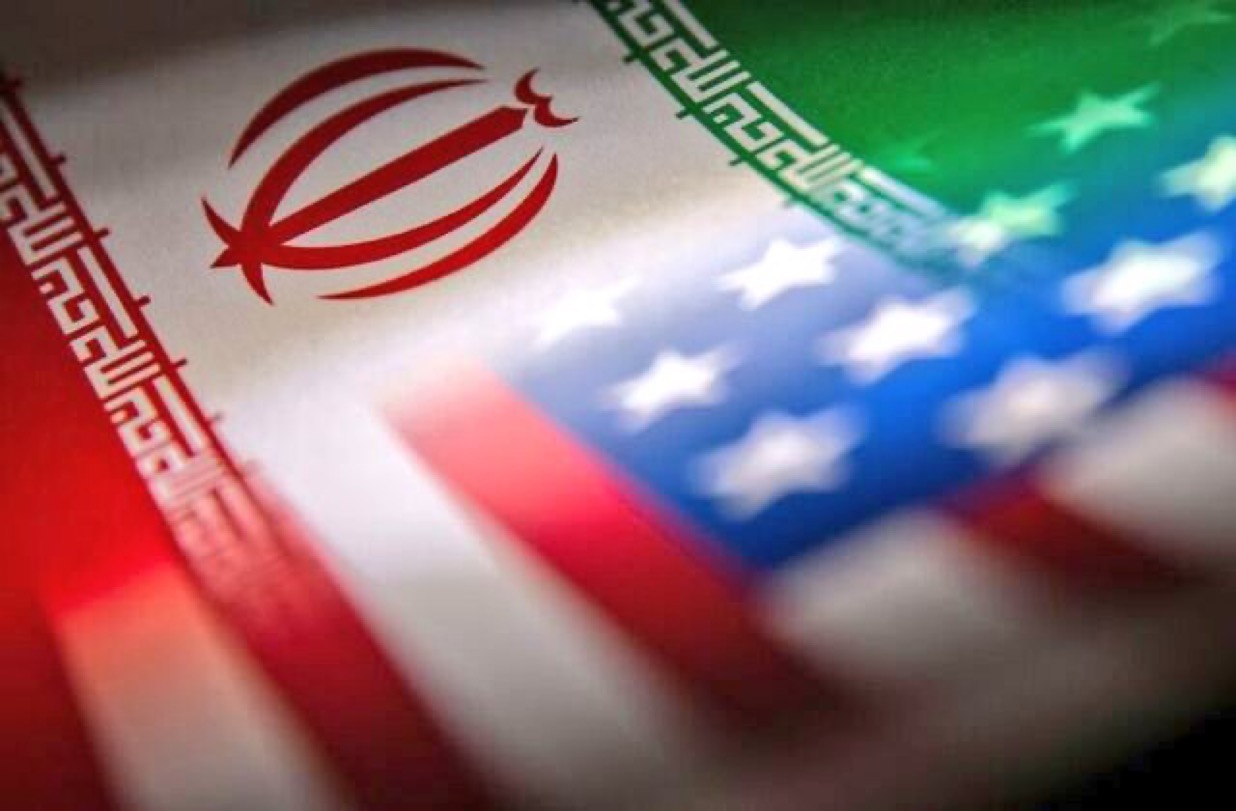
The conflict in the Middle East continues to ripple far beyond the region, with fresh developments this week highlighting just how fragile the situation remains. From military escalations to stalled diplomacy and rising oil prices, the war involving Iran, Israel and the United States is entering a tense new phase.
For South Africans already dealing with fluctuating fuel prices and economic pressure, what happens in the Middle East is not distant news. It hits home quickly, often at the petrol pump.
Oil Prices React To Renewed Tensions
Global markets felt the impact almost immediately after Iran once again shut down the Strait of Hormuz, one of the world’s most critical oil routes. The closure followed a brief reopening and comes amid ongoing tensions with the United States over maritime restrictions.
Oil prices surged in response, a move that could translate into higher fuel costs locally in the coming weeks. South Africa, which relies heavily on imported oil, is particularly vulnerable to these global shifts.
While there is still hope for a negotiated end to the crisis, uncertainty remains high, keeping markets on edge.
Military Escalation At Sea
Tensions between Washington and Tehran escalated further after the United States seized an Iranian-flagged cargo ship in the Gulf of Oman. The operation involved a US Navy destroyer, with troops boarding the vessel to inspect its contents.
Iran responded by launching drones towards US military ships, signalling that the conflict is not just political but increasingly confrontational on the ground and at sea.
The Strait of Hormuz remains a major flashpoint, with both sides vying for control of a route that carries a significant portion of the world’s oil and gas supply.
Peace Talks Hang In The Balance
Efforts to bring the conflict to the negotiating table appear to be stalling. Iran has indicated it does not plan to attend the next round of talks with the United States, despite Washington preparing to send negotiators to Pakistan.
US President Donald Trump has taken a hardline stance, warning of severe consequences if a deal is not reached. The rhetoric suggests that diplomacy is under pressure, even as international players continue to push for dialogue.
Pakistan has positioned itself as a potential mediator, with its leadership engaging both sides in what has been described as constructive discussions. Still, there is no clear path forward.
Regional Tensions Spread
Beyond Iran and Israel, the wider region is also feeling the strain. In Syria, authorities say they stopped an attempted cross-border attack linked to Hezbollah, raising fears of further instability along already volatile borders.
In Lebanon, the situation remains tense despite a fragile ceasefire between Israel and Hezbollah. Israeli officials have warned that any threat to their forces will be met with full military force, even during the truce period.
At the same time, infrastructure damage in southern Lebanon is beginning to be addressed, with key roads and bridges reopening after recent strikes.
Diplomatic Moves Continue Behind The Scenes
While public tensions dominate headlines, diplomatic activity continues in the background. France is set to host Lebanon’s prime minister for talks, as European leaders attempt to stabilise the region.
Turkey has also expressed optimism that a temporary ceasefire between Iran and the United States could be extended, potentially creating more space for negotiations.
Meanwhile, Iran has taken a small step towards normalcy by reopening its Mashhad airport to international flights, signalling that daily life continues even amid uncertainty.
A War With Global Consequences
The latest developments paint a picture of a conflict that is far from contained. It is a complex web of military action, economic pressure and fragile diplomacy.
For South Africans, the most immediate concern remains the economic knock-on effects. Rising oil prices could once again push up fuel costs, affecting transport, food prices and everyday living.
As the situation unfolds, one thing is clear. What happens in the Middle East does not stay there.