News
Civil society calls for municipal control of Gauteng’s water services to stop tanker ‘mafias’
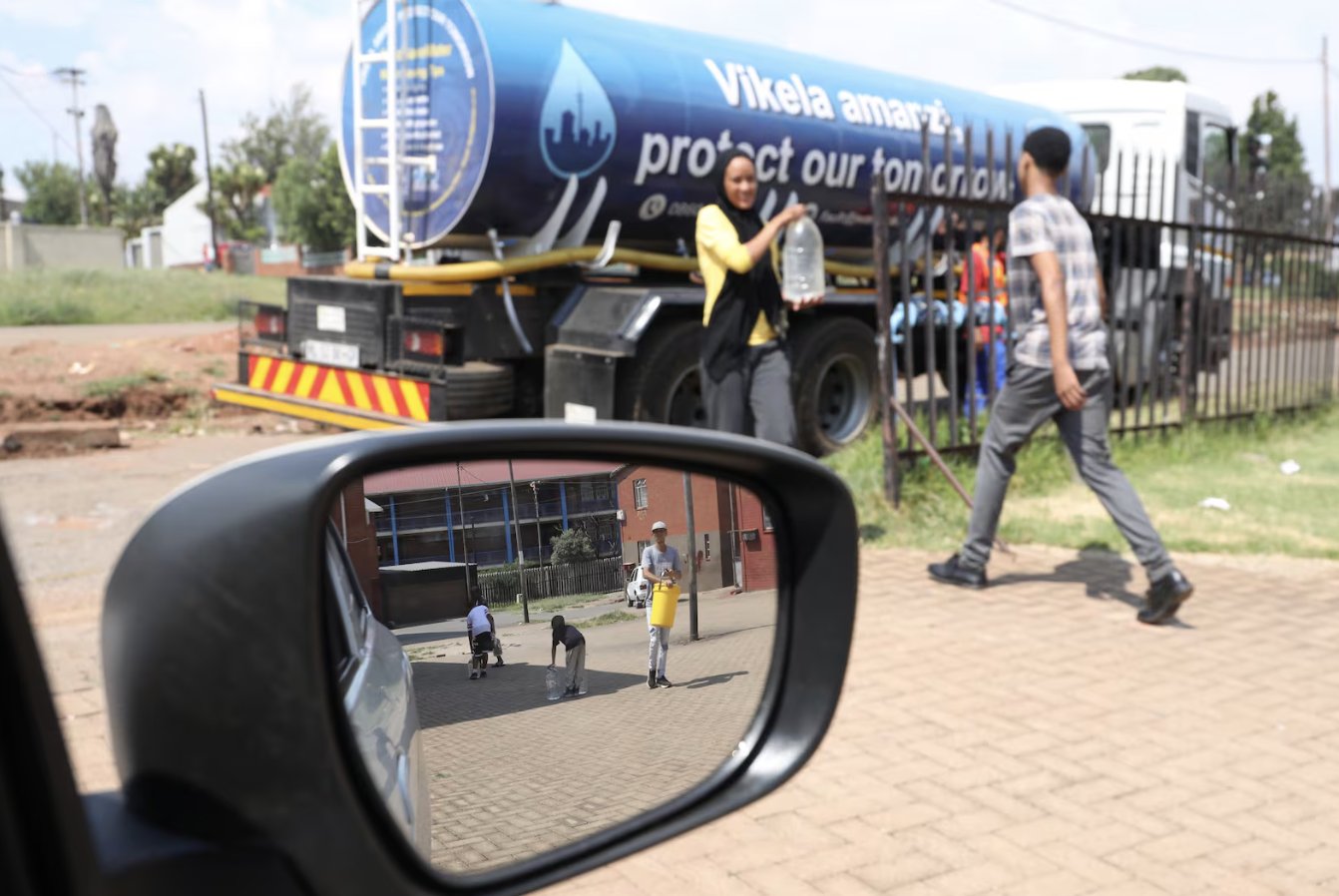
Communities push for municipal control of water tankers amid allegations of corruption and contamination
The South African Human Rights Commission’s (SAHRC) public hearings on water challenges in Gauteng heard calls on Tuesday for municipalities to take direct control of water tanker services and to investigate alleged corruption, economic sabotage and infrastructure vandalism affecting the province’s water supply.
Demand to municipalise tanker services
At the hearings held at Constitution Hill, various civil society organisations urged a move away from private water-tanker providers. Dr Ferial Adam of the WaterCan movement told the commission:
“We can no longer leave water tanker services to the private sector. It has to be inside. It is our constitutional right. The commission should recommend that water tanker services be municipalised.”
Dr Adam also asked the SAHRC to establish an independent economic regulator for the water sector and to set up a commission of inquiry into the province’s water challenges. She requested an independent probe into all water-tanker contracts and tenders in Gauteng over the past five years to identify and prosecute corruption and price-gouging.
Calls for accountability over contamination
Mariette Liefferink of the Federation for a Sustainable Environment (FSE) criticised heavy contamination from big business and said this has worsened the province’s water system. She noted that while Rand Water and Joburg Water are working to treat municipal water, contamination and the cost of treatment remain major problems.
Liefferink urged stronger consequences for those responsible for harmful water practices, including acid mine drainage. She called for fines, prosecutions and prison sentences, saying existing laws provide avenues for such action and that the deterioration of water treatment has made poor water quality increasingly normalised.
SAHRC response and next steps
Dr Henk Boshoff, chairing the three-day public hearings, assured attendees that the commission’s recommendations would reach the National Assembly and would not be ignored. He said reports compiled over the past two years had been tabled and acted upon in provincial and national structures.
The commission noted growing concerns about emergency water supply mechanisms and the rising reliance on private water tanker systems during prolonged outages. The public hearings are scheduled to continue until Thursday, May 21, with more civil society organisations and government departments due to present submissions.
What was recorded at the hearings
- Various civil society groups attended SAHRC hearings at Constitution Hill.
- Speakers called for the municipalisation of water tanker services and for independent oversight of the water sector.
- Calls were made for investigations into water-tanker contracts and for accountability for contamination, including acid mine drainage.
- The SAHRC pledged that its report and recommendations will be taken to higher legislative bodies.
Image credit: X{@SundayTimesZA}
Follow Joburg ETC on Facebook, Twitter, TikTok and Instagram
For more News in Johannesburg, visit joburgetc.com
Source: iol.co.za