News
Grain SA defends import tariffs at SAHRC hearing as hunger figures mount
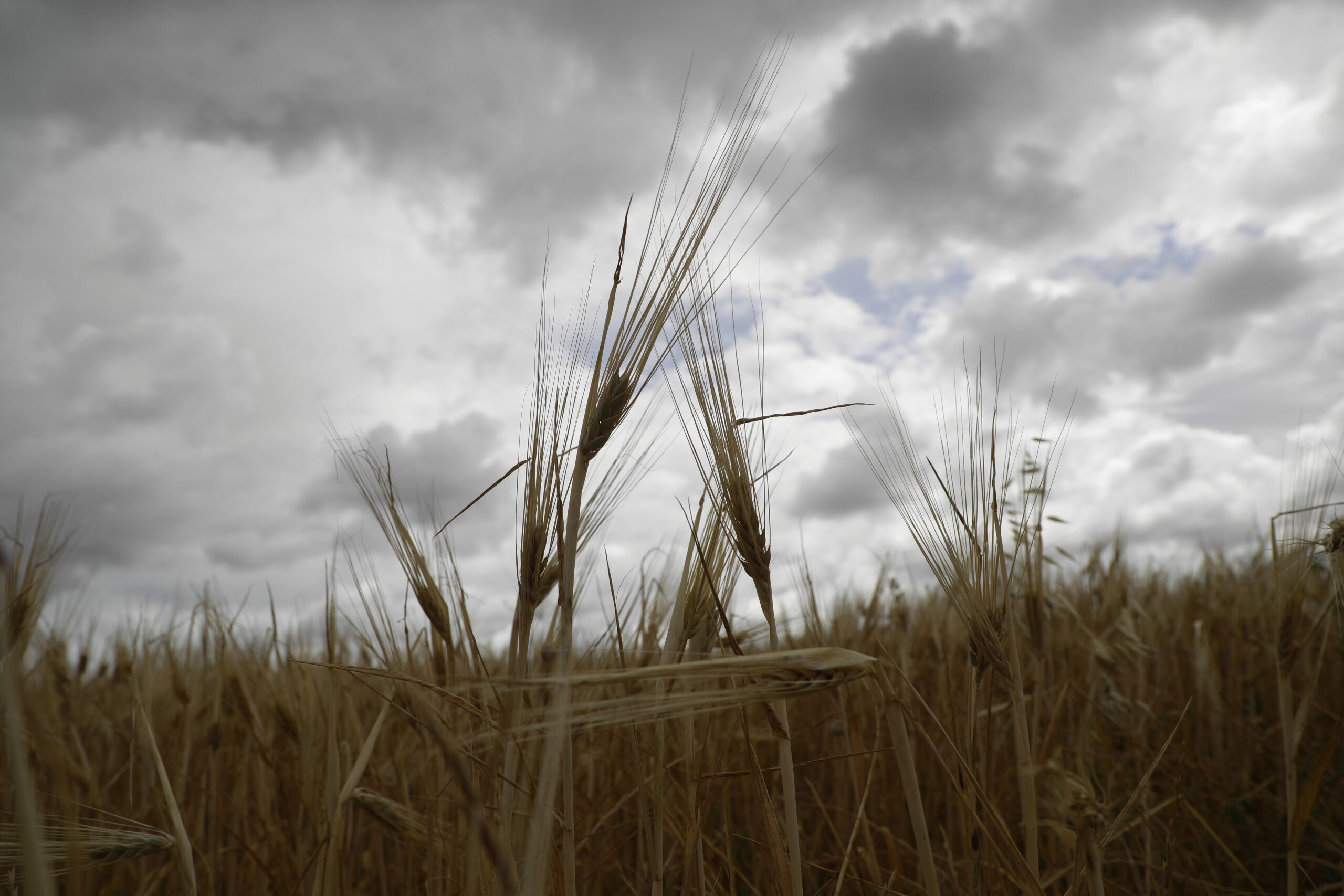
Grain SA defended its support for import tariffs and local agricultural development on Tuesday, telling the South African Human Rights Commission (SAHRC) that sustainable domestic food production is essential to long-term food security as the country faces worsening hunger and malnutrition.
CEO gives evidence at SAHRC national hearing
Grain SA CEO Dr Tobias Doyer appeared before the SAHRC’s National Investigative Hearing into Food Systems, where evidence leaders questioned him about the role of commercial agriculture in addressing hunger, affordability and inequality.
“I think we, as Grain SA, are one of the organisations that contributes most to food security,” Doyer said during his testimony.
Commission’s findings: hunger and child stunting
The SAHRC’s initial findings, released during the first phase of the investigation in March, show worrying levels of food insecurity. According to the figures cited at the hearing, more than 14 million people 22.2% of households regularly go to bed hungry. The commission also highlighted child malnutrition, reporting that more than one in four children suffer stunting, a sign of ongoing nutritional deficits.
Tariffs, subsidies and market fairness
Much of the questioning focused on Grain SA’s advocacy for higher tariffs on imported wheat. Critics argue that protective tariffs could raise staple food prices and hurt low-income households. Doyer defended the organisation’s position by stressing the need for an equitable competitive environment.
“We do stand by that statement, and the qualification is that we don’t mind competing on an equal footing, but it is not fair to compete on an unequal footing.”
Doyer described wheat as a complex issue, noting that it is largely produced in “traditional first world countries” that support their producers through subsidies. He also pointed to rising transport and infrastructure costs as drivers of food inflation that affect retail prices.
On maize, Doyer said South African production is high quality and contributes to affordability: “Because of that, we have access to the most affordable maize product.”
Commission warns of broader socio-economic and health impacts
SAHRC spokesperson Wisani Baloyi emphasised the links between food insecurity, poverty and poor socio-economic conditions, and raised concerns about the health effects of unhealthy diets.
“There were statistics that were provided about obesity in the country, almost half of the people are eating food and as such leads to challenges with obesity, and you can see that majority of people don’t even know which food are they eating.”
The exchange at the hearing highlighted the tensions between protecting local producers and ensuring affordable access to staples, while the commission’s figures underline the scale of food insecurity facing the country.
Follow Joburg ETC on Facebook, Twitter, TikTok and Instagram
For more News in Johannesburg, visit joburgetc.com
Source: iol.co.za