News
South Africa’s 30 June protests leave hundreds arrested as tensions spread nationwide
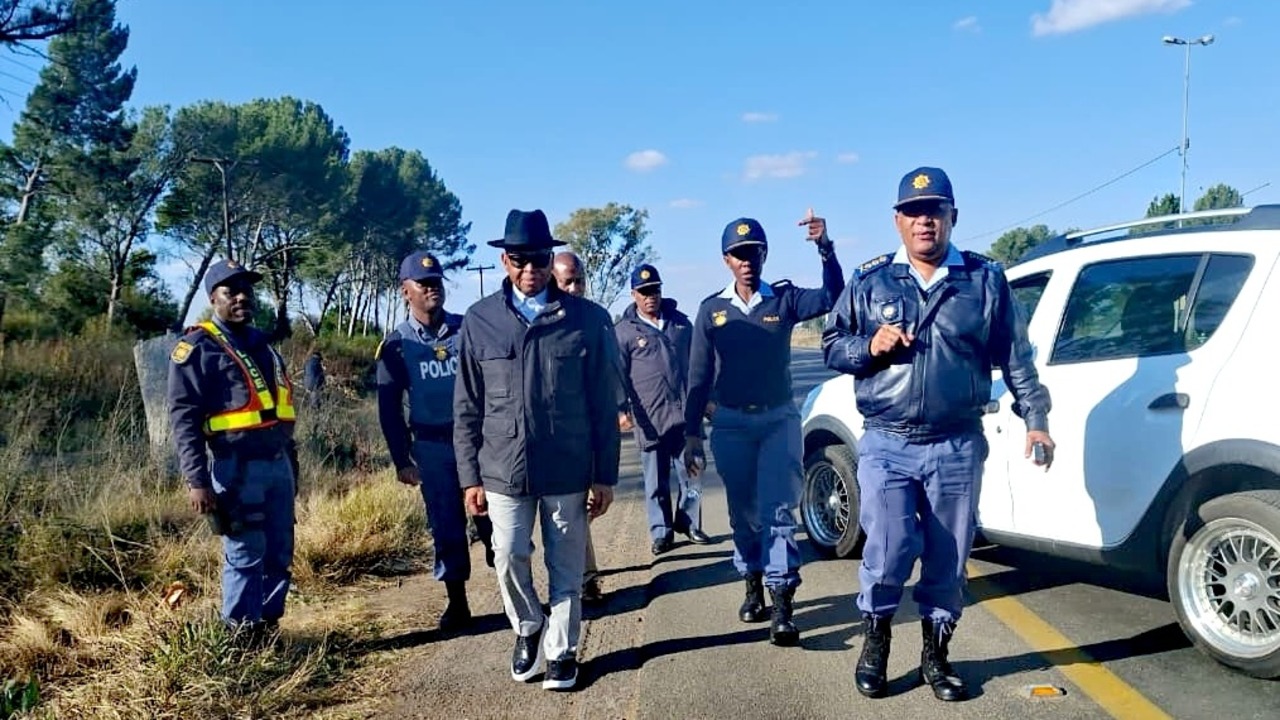
A wave of anti-migrant protests swept across South Africa this week amid the 30 June deadline, leading to more than 900 arrests nationwide as tensions over illegal immigration once again spilled onto the streets.
While most marches remained peaceful, authorities confirmed that several areas experienced outbreaks of looting, public violence and attacks on foreign-owned businesses, raising fears of renewed xenophobic violence in parts of the country.
Police said demonstrations were held in multiple provinces on Tuesday after anti-illegal immigration groups declared 30 June a symbolic ‘deadline’ for undocumented migrants to leave South Africa. The protests drew thousands of participants and reignited a national debate around unemployment, crime, border control and the treatment of foreign nationals living in the country.
#sapsHQ [HAPPENING NOW: NATJOINTS MEDIA BRIEFING ON 30 JUNE DEMONSTRATIONS ACROSS SOUTH AFRICA]
The National Joint Operational and Intelligence Structure (#NATJOINTS) in South Africa Co-Chairpersons #SAPS Lieutenant General Tebello Mosikili, and South African National Defence… pic.twitter.com/aSwErNufls
SA Police Service 🇿🇦 (@SAPoliceService) July 1, 2026
In Cape Town, city officials said law enforcement managed to contain several isolated incidents targeting businesses owned by foreign nationals. Areas including Delft, Gugulethu, Hanover Park and Mfuleni saw sporadic acts of vandalism and public violence, although authorities stressed there was no widespread unrest overnight.
At least 13 people were arrested in connection with the incidents. Reportedly, JP Smith, the City’s Mayoral Committee Member for Safety and Security, praised emergency teams and community groups for responding quickly to threats.
‘These were isolated incidents, and thanks to the swift response of enforcement agencies, at least 13 arrests were made for public violence and malicious damage to property,’ Smith said. City officials confirmed that monitoring operations would continue in the days ahead amid concerns that tensions could escalate further.
The Eastern Cape also saw a significant law enforcement response following 28 anti-illegal-immigration marches across the province. According to EWN, Police confirmed that 229 people were arrested. Of those, 208 were undocumented foreign nationals, while another 21 people were arrested for offences linked to protest activity.
Authorities have not indicated whether further arrests are expected, but police visibility has been increased in several hotspot areas.
Reportedly, 900 arrests were made across the country, with Acting National Commissioner Puleng Dimpane stating that the Western Cape, Eastern Cape, Free State and KwaZulu-Natal alone each recorded more than 100 arrests.
‘More than 900 persons were arrested during yesterday’s operations. The majority of those arrested were illegal foreigners and looting as a result of law enforcement operations conducted alongside the protests. Some were arrested for public violence, some for harbouring illegal immigrants, business robbery at spaza shops.’
– Acting National Commissioner Puleng Dimpane
Police said over 120 protest actions were recorded across South Africa, with only a small number turning violent. Deputy national police commissioner Tebello Mosikili said 108 marches remained peaceful, while 12 required intervention from law enforcement officers.
Additional police reinforcements were deployed overnight to five provinces, while soldiers were sent into Johannesburg’s Hillbrow area, long regarded as one of the country’s most densely populated migrant communities. The deployment underlined growing concerns within the government that criminal opportunists could exploit the demonstrations.
The unrest has already triggered a growing repatriation movement. Thousands of migrants from Zimbabwe, Malawi and Nigeria have reportedly sought assistance from embassies and consulates to return home voluntarily. Traffic at the Beitbridge border post has surged in recent days as buses carrying migrants left South Africa.
Reportedly, several Nigerian nationals who recently returned home described living in fear during the protests. ‘We are not safe, so we had to leave,‘ said Nigerian national Emmanuella Akagbosun after arriving in Lagos. Another returnee, Fintan Opara, said many foreign nationals no longer feel welcome in South Africa after years of rising hostility.
Authorities across the country remain on high alert as fears grow that isolated incidents could evolve into broader unrest in the coming days.
Follow Joburg ETC on Facebook, Twitter, TikTok and Instagram
For more News in Johannesburg, visit joburgetc.com
Featured Image: @SAPoliceService / X