News
US and Iran exchange fresh strikes over Strait of Hormuz, tensions escalate
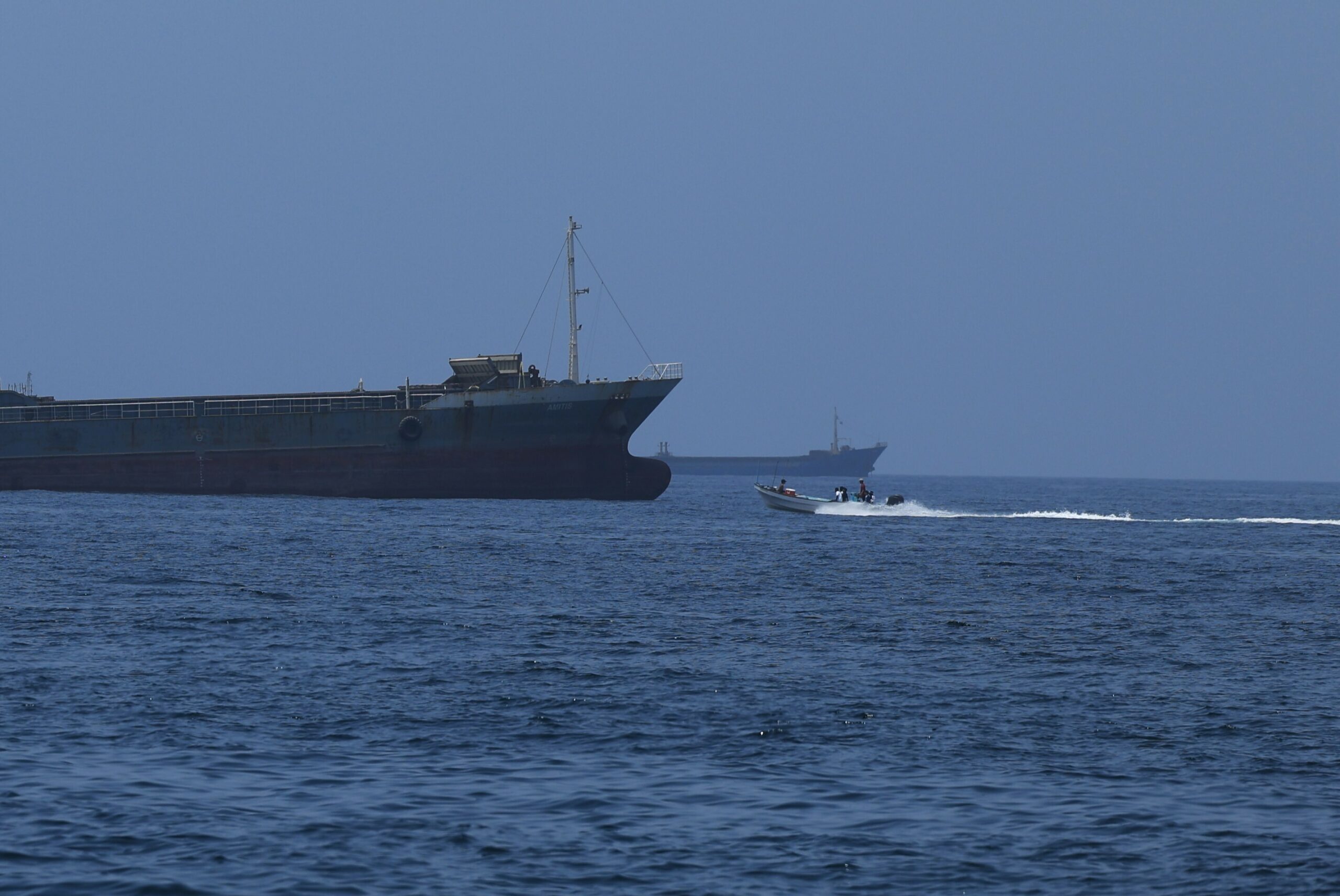
According to IOL, the United States and Iran traded military strikes for a second day as the two countries clashed over control of the strategic Strait of Hormuz, a vital oil shipping corridor.
Wave of attacks hits military sites and bases
US Central Command said its forces struck approximately 90 military targets along Iran’s coastline, including missile and drone storage and military logistics sites, targeting what it described as threats to freedom of navigation in the Strait of Hormuz, according to IOL.
Iran’s Revolutionary Guards (IRGC) said they struck “key infrastructure and facilities” at US bases in Arifjan and Ali Al Salem in Kuwait, and Juffair and Sheikh Isa in Bahrain, IOL reported. An AFP journalist heard blasts in Manama, Bahrain, and Kuwait reported intercepting “hostile missile and drone attacks,” the report said.
Damage and incidents reported inside Iran
Several official Iranian media reported American strikes hit a railway bridge in Iran’s northeast, and the official IRNA news agency reported strikes on a military base in coastal Bushehr, which the agency said hosts the country’s only civilian nuclear power plant. IOL also reported explosions and warplanes over Kish Island and blasts in the port cities of Bandar Abbas, Konarak and Chabahar; parts of Chabahar reportedly lost electricity.
Leaders’ statements and the fight over control of Hormuz
After attacks the previous day, US President Donald Trump said the ceasefire with Iran was “over” but left open the possibility of further talks, posting on Truth Social that any new strikes “would end quickly.” IOL quoted Trump saying on Truth Social: “If it happens again, it will get much worse!”
Iranian negotiator Mohammad Bagher Ghalibaf was quoted on X as saying the Strait of Hormuz would be opened only under “Iranian arrangements” and warning:
“Let me be clear: If you strike, you will be struck.”
Background and wider impact
IOL reported that since US-Israeli strikes in February triggered the wider war, Tehran has insisted on controlling the strait, saying it will charge fees for passage and threatening vessels that deviate from its authorised route. The report said Iranian forces struck at least three ships in recent days, prompting extensive US strikes earlier in the week.
The latest exchanges came ahead of the burial of Iran’s former supreme leader Ali Khamenei, whom IOL said was killed at the outbreak of the war on February 28.
International reactions and casualties
According to IOL, UN chief Antonio Guterres called on “all parties to exercise maximum restraint,” and Pakistan also urged restraint. Iran said Foreign Minister Abbas Araghchi and Qatar’s prime minister had spoken and “underscored the importance of using diplomatic means to resolve regional issues.”
IOL reported both sides said they had hit dozens of targets in the initial wave of attacks: Iranian state television said eight Iranian military personnel were killed, CENTCOM said it struck more than 80 targets on Tuesday, and the Guards said they hit dozens of US facilities in Kuwait and Bahrain. A US military official told IOL the latest Iranian attacks did not cause American casualties or major damage to facilities.
Maritime consequences
Maritime traffic had tentatively resumed after a deal to end hostilities last month, IOL reported, but nearly 6,000 seafarers remained stranded in the area, International Maritime Organisation chief Arsenio Dominguez said, according to IOL. The report said Oman condemned targeting of Bahrain and Kuwait and the strikes on ships without explicitly blaming Iran.
Follow Joburg ETC on Facebook, Twitter, TikTok and Instagram
For more News in Johannesburg, visit joburgetc.com
Source: iol.co.za