Business
Oil tumbles after US and Iran sign memorandum to reopen Strait of Hormuz
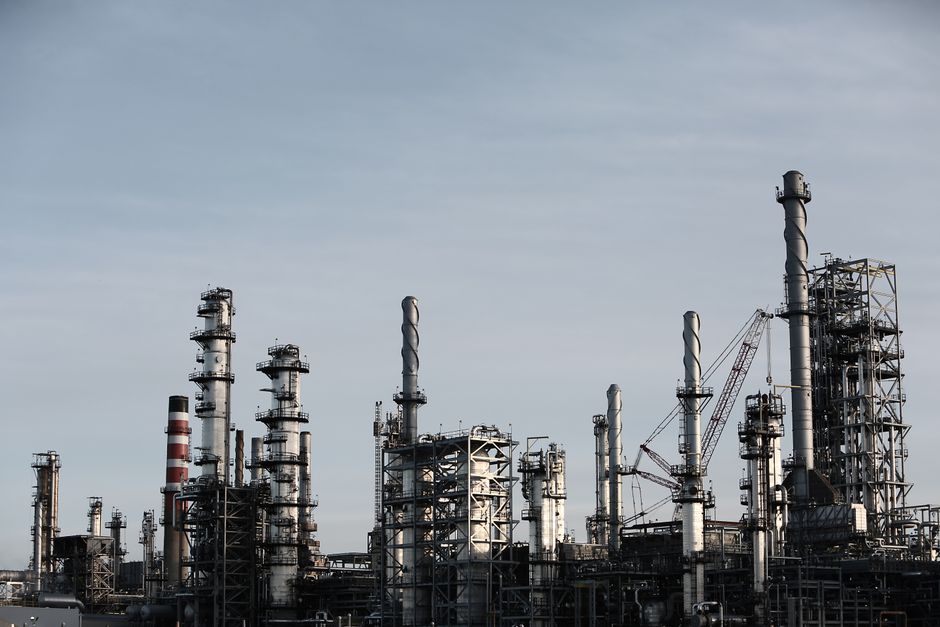
Oil prices slid after the United States and Iran signed a memorandum of understanding that aims to end their conflict and reopen the Strait of Hormuz. Traders pared back the wartime premium on crude as markets reacted to the agreement.
Deal signed in Versailles
The memorandum was signed in Versailles after the G7 summit.
“Just signed it,”
President Donald Trump told reporters after putting his signature to the document.
Iranian Foreign Ministry spokesman Esmaeil Baqaei, quoted by IRNA, said the document
“was finalised with the signatures of the presidents”.
What the deal says about the strait and sanctions
According to Pakistan Prime Minister Shehbaz Sharif, whose officials mediated the agreement,
“As a first step, the Islamic Republic of Iran will instantly reopen the Strait of Hormuz and the United States of America will immediately lift the naval blockade.”
The deal also commits the United States to waive oil sanctions and to facilitate the release of a $300 billion reconstruction fund, while Tehran agrees to dilute its enriched uranium as talks on a longer-term agreement continue.
Market reaction
Crude prices fell more than one percent on Thursday, extending losses since the weekend when talk of a deal first emerged. Both main contracts had plummeted more than 15 percent since last week, the report said.
At around 04:45 (SA time) the reported key price levels were:
- West Texas Intermediate: down 1.7 percent at $75.47 a barrel
- Brent North Sea Crude: down 1.4 percent at $78.42 a barrel
Market commentary noted the significance of a signed memorandum. Stephen Innes at SPI Asset Management wrote that a formal MOU and a quicker reopening of the strait
“should pull some of the panic premium out of crude.”
Broader market backdrop
Despite the fall in oil, equities showed a mixed picture across Asia, with some markets rising and others falling. The reaction came as the Federal Reserve held rates at its latest meeting but indicated the possibility of future hikes. The Fed’s new chair said
“Persistently high prices are a burden for the American people,”
and emphasised a focus on price stability.
Selected market moves
The report listed several market movements alongside oil: Tokyo’s Nikkei 225 was up, while Hong Kong’s Hang Seng and Shanghai’s Composite fell. Currency moves included the euro up against the dollar at $1.1520 and the dollar down versus the yen at 160.58.
The memorandum and its immediate effects on shipping through the Strait of Hormuz removed some of the acute supply-risk premium that had driven oil prices higher during months of conflict, contributing to the recent slide in crude.
Follow Joburg ETC on Facebook, Twitter, TikTok and Instagram
For more News in Johannesburg, visit joburgetc.com
Source: iol.co.za