News
South African PMI shows mixed signals in July as costs ease but activity remains below neutral
July PMI slipped to 46.8 as South Africa’s manufacturing showed mixed signs: rising production and orders but below‑neutral activity and lower input price pressures.
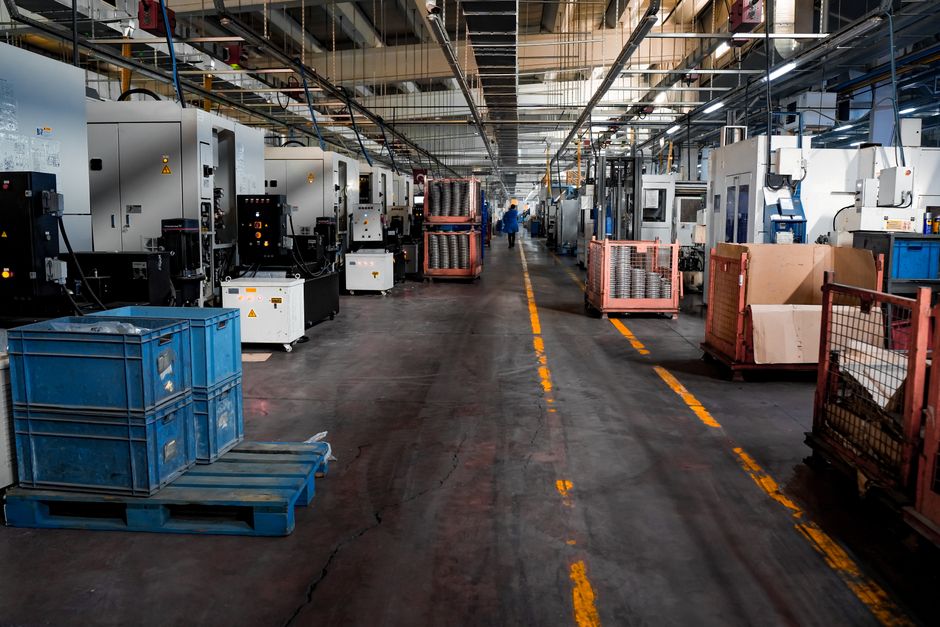
South Africa’s manufacturing purchasing managers’ index (PMI) fell to 46.8 in July, signalling contraction in headline terms even as several sub‑indices pointed to improvement in activity and a easing of input cost pressures.
Headline reading and BER assessment
The PMI declined to 46.8 in July from 47.3 in June and 50.8 in May.
“The headline decline arguably overstates the weakness in underlying manufacturing conditions.”
This was the assessment offered by the Bureau for Economic Research (BER).
Production, orders and inventories
The BER highlighted improvements beneath the headline number. Domestic demand improved and lifted new sales orders, supporting output. The business activity index rose to 48.8 in July from 45.6 in June and 43.5 in May. New sales orders increased to 44.1 from 40.6 in June and 44.6 in May.
At the same time, manufacturers moved away from stockpiling. Inventories fell to 43.2 in July from 49.0 in June, 55.8 in May and 52.3 in April. The BER said the higher inventories in April and May likely reflected pre‑emptive buying rather than expectations of stronger future demand.
Input costs and external drivers
Input‑price pressures moderated in July. The purchasing price index dropped to 67.2 in July from 71.3 in June, 84.6 in May and 85.6 in April. The BER linked the sharp fall partly to an easing in Middle East tensions and noted that this suggests the worst of the recent oil price shock has likely passed, “barring any further upsurge in global energy costs.”
Context and near‑term outlook
The BER noted earlier momentum: an April 2026 PMI reading of 52.6 was the first above the neutral 50 mark since September 2025. The second‑quarter average PMI was 50.2, up from a first‑quarter average of 48.3.
Despite recent improvements, sentiment weakened in July. The index tracking expected business conditions in six months fell to 49.3 from 56.6 in June, a reversal from the strong optimism seen in February when the expectations index was 68.8. The BER said renewed escalation of tensions in the Middle East, together with higher oil prices after June’s lows, likely contributed to the deterioration in sentiment.
Inventories and macro note
The South African Reserve Bank reported that the inventory‑to‑GDP ratio reached a record low of 4.8% in the first quarter of 2026. Annual averages were 5.5% in 2025, 5.8% in 2024 and 6.1% in 2023, compared with 14.1% in 2008.
Overall, the July PMI painted a mixed picture: input costs eased and some activity indicators improved, but the headline index remained below the neutral 50 mark and sentiment weakened.
Follow Joburg ETC on Facebook, Twitter, TikTok and Instagram
For more News in Johannesburg, visit joburgetc.com
Source: thesouthafrican.com