News
R20m VAR funding remains untouched as SAFA faces September deadline
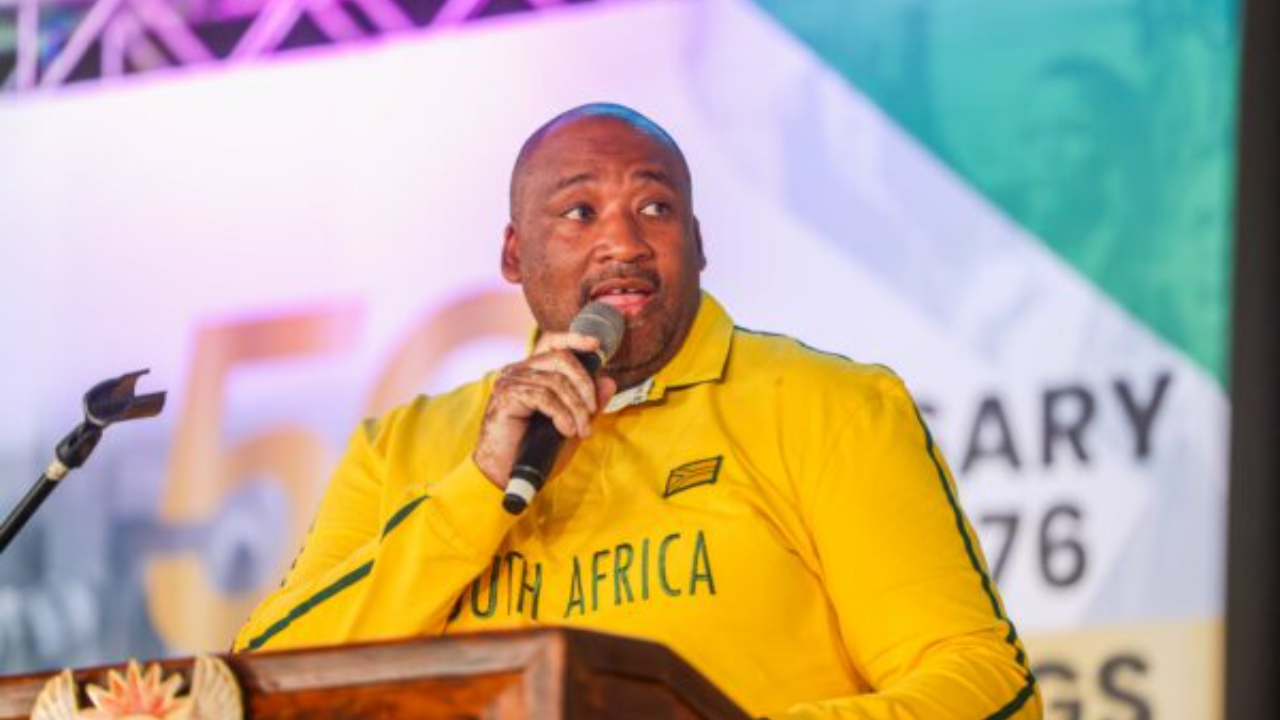
South Africa’s long-awaited Video Assistant Referee (VAR) rollout has hit another hurdle, but the Department of Sport, Arts and Culture (DSAC) says one thing is clear: the R20 million transferred to the South African Football Association (SAFA) has not been spent.
The department has moved to set the record straight after different figures and claims surrounding the project began circulating publicly.
According to DSAC, the money transferred to SAFA on 6 March 2026 remains intact in a separate account, along with the interest earned on it.
The real problem, the department says, is not missing money.
It is the time that has been lost.
R20 million remains untouched
The department confirmed that the R20 million was transferred to SAFA following an announcement on 4 March.
SAFA later confirmed in writing to the Director-General on 18 August that the full amount remained unutilised.
That confirmation followed an earlier disclosure by SAFA CEO to the association’s Finance Committee in July that none of the transferred funds had been spent.
The only public money spent on the VAR project so far amounts to R765,257.03.
That money covered a technical fact-finding mission to Spain in November 2025, with the expenditure previously reported to Parliament.
The distinction is important because larger amounts have been linked to the project over the past two years.
How the VAR project got here
The idea of bringing VAR to South African football has been on the table since 2024.
In October that year, Sport, Arts and Culture Minister Gayton McKenzie met SAFA’s National Executive Committee in Gqeberha, where the association formally backed the introduction of the technology.
The department indicated at the time that it could make provision for up to R90 million.
SAFA subsequently opened its request for proposals in April 2025, attracting responses from both local and international providers.
But there was a crucial step still to be dealt with.
The project needed to align with FIFA’s VAR Implementation Assistance and Approval Programme. Before VAR can be introduced in a country, FIFA approval is required, alongside a dedicated project team, detailed implementation plan and confirmed technology solution.
That process became part of the reason the rollout did not move as quickly as initially hoped.
From Spain to a three-year plan
A technical mission travelled to Spain in November 2025 to assess one of four shortlisted international suppliers and observe VAR operations first-hand.
The delegation included SAFA’s VAR Project Leader, former FIFA referee Daniel Bennett, the Minister’s Special Adviser and three South African journalists.
The technical assessment involved experienced referees, including Bennett, Victor Gomes, Jerome Damon and SAFA’s Head of Referees, Abdul Ebrahim.
By February 2026, SAFA had submitted an amended three-year implementation plan worth approximately R54.7 million.
The plan envisaged training match officials from July 2026, experimental VAR use during the 2026/27 Nedbank Cup semi-finals and full implementation from the 2027/28 season.
Treasury ultimately approved R20 million as the first tranche for the 2025/26 financial year.
The department says future funding was always dependent on progress being demonstrated and outstanding procurement requirements being addressed.
SAFA now has until 9 September
The latest development came after mounting concern over the lack of progress.
In April, DSAC requested a written implementation progress report from SAFA. No report was provided.
SAFA’s NEC later approved implementation of the project in May, but its Finance Committee was tasked with conducting another review of the budget before final approval.
A task team was subsequently appointed to undertake that work.
By August, DSAC had run out of patience.
On 13 August, the department’s Director-General formally raised concerns about the absence of a progress report and the lack of movement on implementation. The department also demanded that the R20 million be repaid, citing its obligations under the Public Finance Management Act.
SAFA responded five days later, apologised for the delay, confirmed that the funds remained untouched and asked for additional time to complete its internal budget verification.
A final 21-day extension was granted on 19 August.
That means SAFA’s report is due on 9 September 2026.
VAR could still arrive this season
For South African football supporters who have spent years watching controversial refereeing decisions spark debate, the timeline is particularly significant.
The department says the original implementation plan still leaves room for a phased introduction during the 2026/27 season, provided procurement can be completed.
That would allow training to begin and experimental VAR deployments to take place during the Nedbank Cup semi-finals, before a planned full rollout in the 2027/28 season.
But SAFA’s September report will be crucial.
If the association produces a satisfactory report and a credible procurement timetable, DSAC says the project could continue.
If it fails to do so, the department intends to recover the funds and explore other lawful ways of bringing VAR to South African football.
That could involve discussions with FIFA and the Confederation of African Football (CAF), whose rules govern the implementation of VAR.
Minister accepts responsibility for the delay
McKenzie has also acknowledged his own frustration with how slowly the project has progressed.
The minister said he had publicly committed to bringing VAR to South African football and apologised to supporters who had been disappointed by the delays.
He also made it clear that his objective has not changed.
VAR, he says, must come to South African football.
For now, however, the R20 million remains untouched, the procurement process remains unresolved and the clock is ticking towards 9 September.
For football fans, that means the next major VAR decision may not happen on the pitch at all.
The department says it will continue publishing updates as the situation develops, arguing that supporters have a right to know how public money is being handled and when they can finally expect to see VAR in action.
Follow Joburg ETC on Facebook, Twitter, TikTok and Instagram
For more News in Johannesburg, visit joburgetc.com