News
South African municipalities owed R467 billion, but questions grow over disputed bills
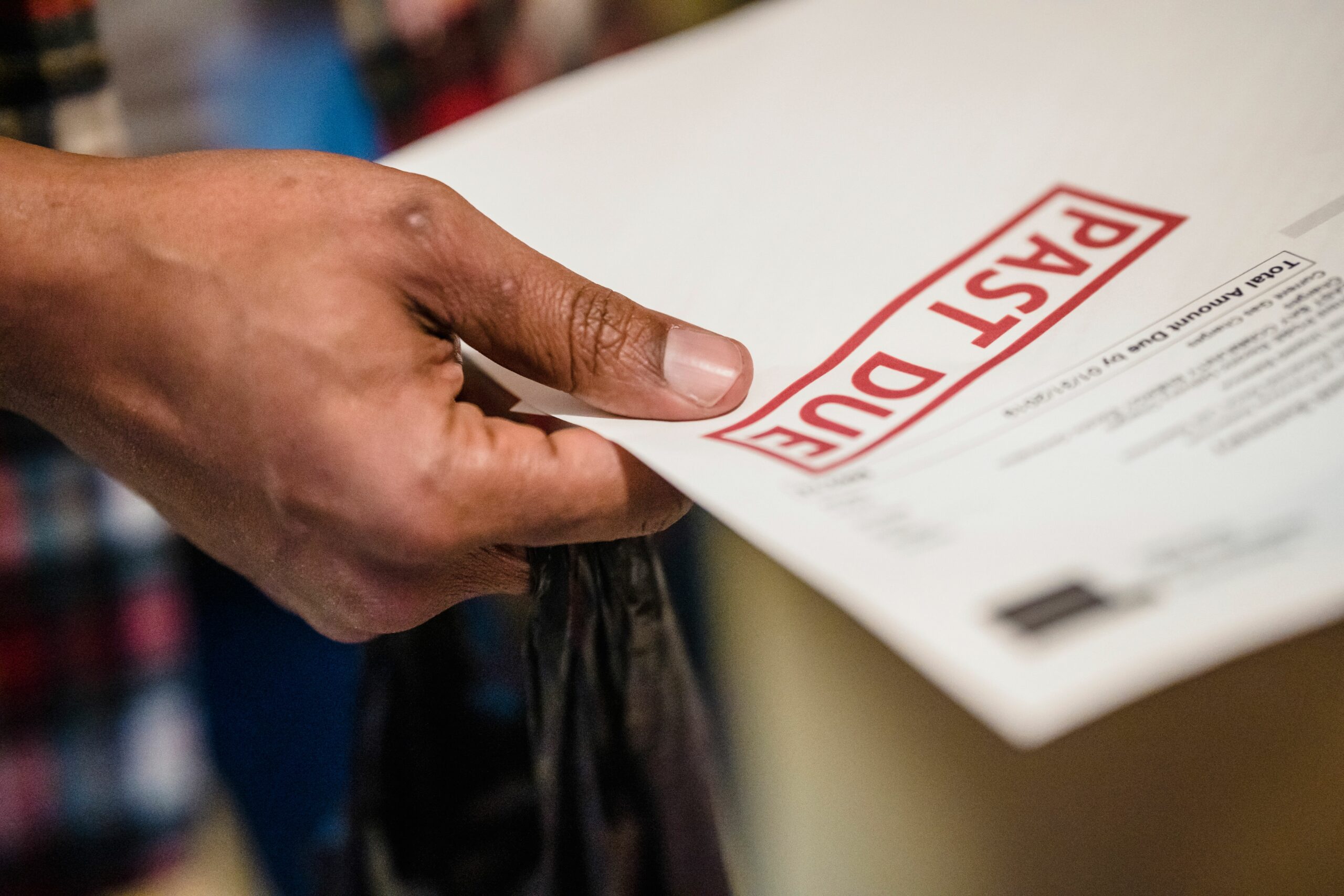
South African municipalities are chasing hundreds of billions of rand in unpaid accounts, but a growing concern is whether the full amount recorded as outstanding is actually owed.
Billing errors, estimated meter readings and unresolved disputes have raised questions about the accuracy of municipal debt figures, with opposition politicians and utility experts calling for greater scrutiny of the amounts owed by households and businesses.
The scale of the problem is significant. National Treasury figures released in March put outstanding municipal consumer debt at R467.2 billion. Households accounted for R335.3 billion, while commercial users owed R94.7 billion.
Of the total, R406.8 billion, or 87.1%, was classified as debt older than 90 days.
However, questions remain about how much of this debt can be recovered, particularly where consumers dispute their accounts or say they have been billed incorrectly.
For residents, the consequences can be immediate. People who challenge their municipal bills may still face mounting balances and the threat of water or electricity disconnections.
Estimated readings can leave consumers with unexpected bills
Matthew Koller, general manager at Fungi Utilities, said estimated readings, undetected water leaks and billing discrepancies could be contributing to the growing problem.
When municipalities rely on estimates for extended periods, consumers may receive accounts that do not reflect their actual consumption. Once a meter is read, the resulting adjustment can leave a household facing a substantial bill.
Koller said a one-bedroom apartment could see its monthly municipal account rise from R1,200 to more than R3,000 following an estimated billing adjustment or a minor leak.
He also questioned how consumers could effectively dispute an account when the original charge was itself based on an estimate.
The issue highlights the importance of accurate meter readings and transparent billing, particularly for households that cannot easily absorb unexpected costs.
Opposition councillors question the accuracy of municipal debt
DA Ekurhuleni councillor Simon Lapping argued that the national debt figure should be independently verified before being treated as an accurate reflection of what consumers legitimately owe.
He believes the actual amount could be considerably lower, alleging that questionable charges and levies have appeared on municipal accounts over several years.
Lapping also said some residents were reluctant to challenge disputed amounts because they feared having their electricity disconnected.
He pointed to Section 95 of the Municipal Systems Act, which sets out requirements for municipalities to maintain accurate information about services supplied to consumers.
The concerns raise a broader question for municipalities: how much of the debt represents unpaid consumption, and how much may involve incorrect charges or unresolved disputes?
Ekurhuleni’s estimated billing creates another problem
ActionSA’s Michael Basch said Ekurhuleni’s reliance on interim billing had contributed to consumer frustration, although he cautioned that estimates often resulted in undercharging rather than overcharging.
According to Basch, consumers could initially pay less than their actual usage before a later meter reading triggered a large adjustment.
That can create a financial shock for households and businesses that have been paying what their municipal statements indicated was due.
Basch said ActionSA would support an independent audit of Ekurhuleni’s debtors’ book to establish the outstanding amounts, how the debt accumulated and whether the balances were legitimate.
He also raised concerns about municipal budgeting, saying collection rates had generally ranged between 85% and 87%, despite budgets being based on collection assumptions of around 90%.
If municipalities budget for revenue they are unlikely to collect, the resulting shortfall can place additional pressure on service delivery and financial planning.
Calls to pursue major defaulters before struggling households
Basch argued that municipalities should distinguish between consumers who can afford to pay and households struggling to settle genuine arrears.
He called for greater attention to large businesses and government institutions with outstanding accounts, particularly where they have the means to settle their debts.
At the same time, he said municipalities should offer affordable payment arrangements to residents who cannot clear their balances in one payment.
The approach, he argued, would allow municipalities to pursue legitimate revenue without placing unnecessary pressure on residents whose accounts are already under dispute.
Basch also criticised cases in which consumers had allegedly been disconnected despite formally challenging their bills, saying such treatment was unacceptable.
Helen Zille promises a billing overhaul in Johannesburg
Billing reform has also become part of the political debate in Johannesburg.
DA mayoral candidate Helen Zille has pledged to digitise the city’s billing system if elected, with the stated aim of improving accuracy and tackling corruption.
Her proposals include using technology to reduce reliance on estimated meter readings and bringing in specialists to help resolve billing disputes.
The commitments come as Johannesburg residents continue to raise concerns about municipal accounts and the difficulty of getting errors corrected.
Whether through an independent audit, improved meter-reading systems or better dispute resolution, the central challenge remains the same: municipalities need to recover money genuinely owed to them while ensuring consumers are not pursued for incorrect charges.
With municipal consumer debt running into hundreds of billions of rand, establishing the accuracy of those figures could be an important step towards restoring public confidence in local government billing.
Follow Joburg ETC on Facebook, Twitter, TikTok and Instagram
For more News in Johannesburg, visit joburgetc.com
Source: The Citizen