News
South Africa spends about R5.4bn a year to house foreign inmates, says Correctional Services
Correctional Services says more than 30,000 foreign nationals are in SA prisons and housing them costs about R5.4bn a year. Transfers and MOUs with neighbours are underway.
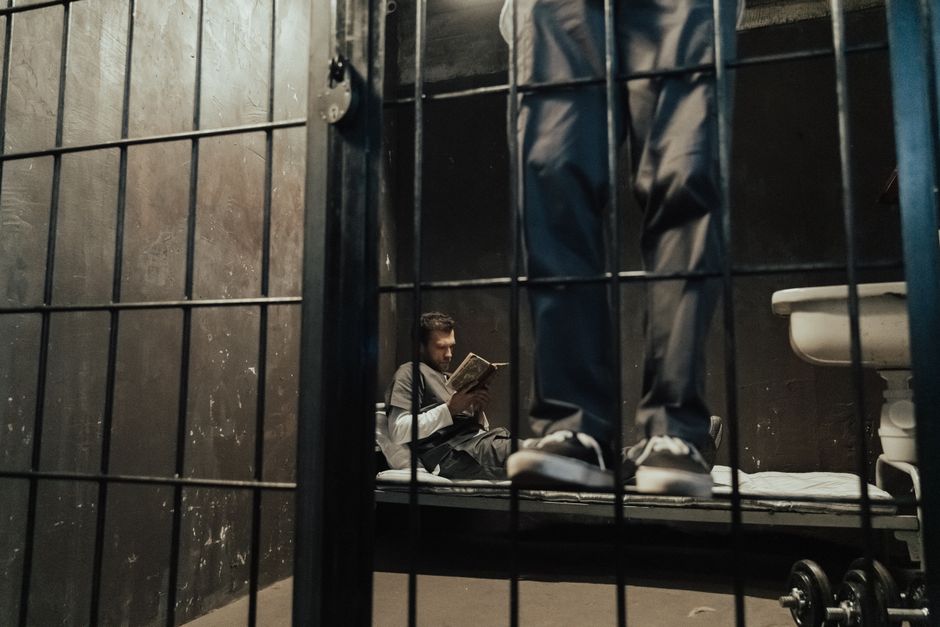
South Africa is spending an estimated R5.4 billion a year to incarcerate foreign nationals, the Department of Correctional Services said, as it moves to conclude cross‑border transfer agreements with neighbouring countries.
Numbers inside the system
The department said South Africa’s total prison population stands at 173,955 inmates, representing 62% overcrowding. Of those, 30,527 are foreign nationals, including 4,731 Zimbabwean offenders. The department classifies 15,284 of the foreign nationals as sentenced offenders, with the remainder awaiting court outcomes.
Cost of incarceration
Correctional Services estimates the daily cost per inmate at R483. Using that figure, the department said detaining 30,527 foreign nationals costs about R14 million a day, or approximately R5.4 billion a year.
Agreements with neighbours and prisoner transfers
The department has signed a Memorandum of Understanding (MOU) with Zimbabwe to establish a framework for cooperation between correctional services in the two countries. Correctional Services spokesperson Singabakho Nxumalo said the MOU would allow sentenced offenders to serve their prison terms in their countries of origin and would strengthen information sharing.
“What happened is that South Africa and Zimbabwe concluded a memorandum of understanding in a way that establishes a framework for cooperation between correctional services in South Africa and Zimbabwe prisons and correctional services,”
Nxumalo cautioned that the MOU is a framework and does not mean prisoners will immediately start crossing borders. He said differences in parole and sentencing regimes between countries would have to be addressed before transfers proceed.
“This is a framework. The parole regime is not the same for all countries,”
Nxumalo noted there was no exact figure for how many Zimbabwean prisoners would ultimately be transferred because of those differences in sentencing and parole systems.
Preferences and policy priorities
Correctional Services research cited by the department found that more than 80% of foreign nationals surveyed indicated they would prefer to serve their sentences in their home countries to remain closer to family.
The department said it is prioritising agreements with neighbouring SADC countries because they account for the largest number of foreign nationals in South African prisons. Nxumalo said transfers would help ease pressure on correctional facilities but would not alone solve the overcrowding crisis, which involves broader criminal justice challenges.
“We are doing that, but it will never be enough until we solve the issue of crime,”
He said overcrowding remained a broader challenge involving court backlogs, sentencing, violent crime and the need for alternatives to incarceration, and required cooperation across the justice system.
Follow Joburg ETC on Facebook, Twitter, TikTok and Instagram
For more News in Johannesburg, visit joburgetc.com
Source: iol.co.za