Guides
Spring gardening in Johannesburg: a practical planting and pest-proofing guide
Practical spring gardening tips for Johannesburg: when to plant, soil prep, watering, spacing and pest controls, with advice from Earthworm (earthworm.co.za).
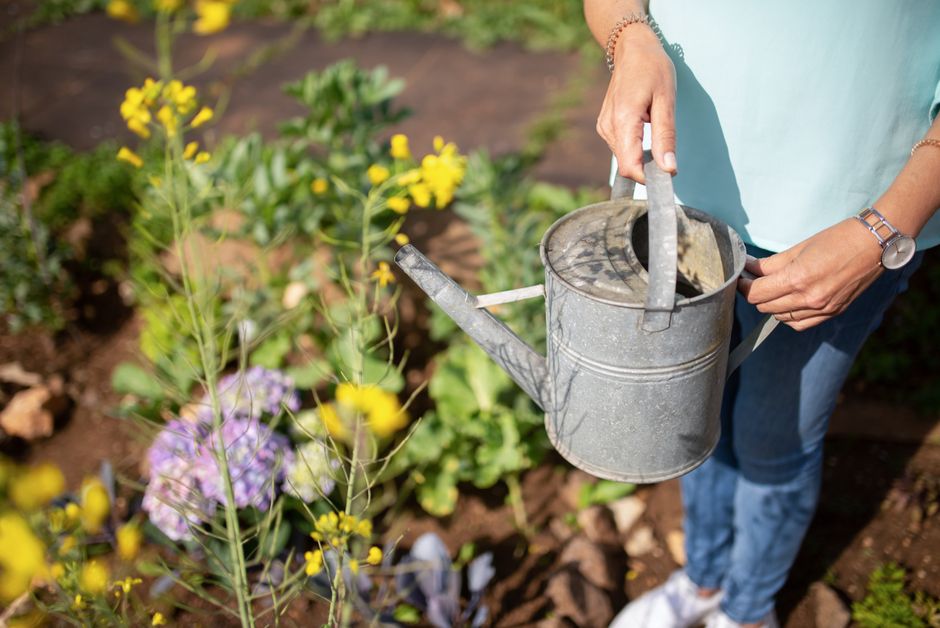
Spring is prime planting season in Johannesburg but success depends on timing, soil preparation and pest vigilance. According to Earthworm (earthworm.co.za), early spring is an ideal time to set out flowering seedlings as the city warms up after winter, provided gardeners follow a few practical steps for the Highveld climate.
Why Johannesburg’s spring is different
According to Earthworm (earthworm.co.za), Johannesburg’s altitude of around 1,750m creates crisp mornings, warm afternoons and the occasional late frost. These conditions favour many flowering seedlings but also mean gardeners must choose the right planting time and protect young plants from cold snaps.
When to plant and how to harden off seedlings
According to Earthworm (earthworm.co.za), early September is the sweet spot for transplanting: by then, frost risk has mostly passed and soil temperatures begin to rise. If you need to plant earlier, Earthworm advises hardening off seedlings by placing them outdoors during the day for 3–5 days before transplanting.
Sunlight needs: match plants to site conditions
According to Earthworm (earthworm.co.za), many popular bedding plants have clear light preferences. Full-sun bloomers that need six or more hours of sunlight include marigolds, petunias, zinnias, cosmos, gazanias and osteospermum. Shade-loving plants such as impatiens prefer dappled shade, for example beneath trees or on the south side of buildings. Agapanthus is listed as a versatile option that tolerates both sun and partial shade.
Soil preparation and composting
Earthworm notes that Johannesburg soils often lean clay-heavy and benefit from amendments to improve structure and drainage. Their practical recommendations include:
- Mix in river sand and compost to loosen clay and boost aeration.
- Add well-rotted organic matter to enrich nutrients and improve water retention.
- Aim for a slightly acidic to neutral pH of 6.0–7.0, which suits most flowering seedlings.
Planting depth, spacing and mulching
Proper spacing reduces disease risk and encourages healthy growth. According to Earthworm (earthworm.co.za), recommended spacings are:
- Marigolds: 20–30 cm apart
- Petunias: 20–30 cm apart
- Zinnias: 30–40 cm apart
- Cosmos: 30–40 cm apart
- Gazanias: 25–35 cm apart
- Osteospermum: 25–35 cm apart
- Impatiens: 15–25 cm apart
- Agapanthus: 40–60 cm apart
For water retention and weed suppression, Earthworm recommends applying mulch such as bark chips, straw or pine needles.
Watering and feeding waterwise, but consistent
According to Earthworm (earthworm.co.za), spring rains in Johannesburg can be sporadic, so water deeply 2–3 times per week depending on rainfall. Early-morning watering reduces evaporation and lowers the risk of fungal disease. Their fertiliser guidance is to use a balanced mix such as 3:1:5 or 5:1:5 every 2–3 weeks, and to supplement with liquid seaweed or compost tea to strengthen roots.
Pest watch: common spring threats and controls
Earthworm outlines several common pests and practical, low-toxicity controls to protect seedlings:
Aphids
Targets: petunias, impatiens, cosmos. Signs include sticky residue (honeydew), curled leaves and stunted growth. Controls recommended by Earthworm are: spraying with neem oil or insecticidal soap, introducing ladybirds, and avoiding over-fertilising.
Whiteflies
Targets: petunias, zinnias. Signs include tiny white insects that fly when disturbed and yellowing leaves. Earthworm’s controls include yellow sticky traps, garlic or chilli-based sprays applied to leaf undersides, and improving airflow through proper spacing.
Snails and slugs
Targets: young seedlings, especially impatiens and marigolds. Controls advised are scattering crushed eggshells or diatomaceous earth around plants, using eco-friendly slug pellets, and watering in the morning to reduce nighttime moisture that favours these pests.
Powdery mildew
Targets: zinnias, cosmos. To prevent and treat it, Earthworm recommends ensuring good air circulation, avoiding overhead watering and treating with a bicarbonate spray (1 tsp baking soda + 1 litre water + a drop of dish soap).
Red spider mites
Targets: osteospermum, impatiens. Signs include fine webbing and speckled yellow leaves. Earthworm suggests hosing off mites with a strong water spray, applying a miticide or neem oil, and keeping plants well-watered since mites thrive in dry conditions.
Plant smart and protect early
According to Earthworm (earthworm.co.za), choosing the right seedlings for your site, preparing soil, keeping to sensible watering and fertilising routines, and staying ahead of pests will help gardens planted in spring flourish into summer. With attention to those basics, gardeners can set the stage for healthy, colourful beds.
Follow Joburg ETC on Facebook, Twitter, TikTok and Instagram
For more News in Johannesburg, visit joburgetc.com
Source: earthworm.co.za