Weekend Guides
Cozy Weekend Rituals Built on Trusted Self‑Care Guidance
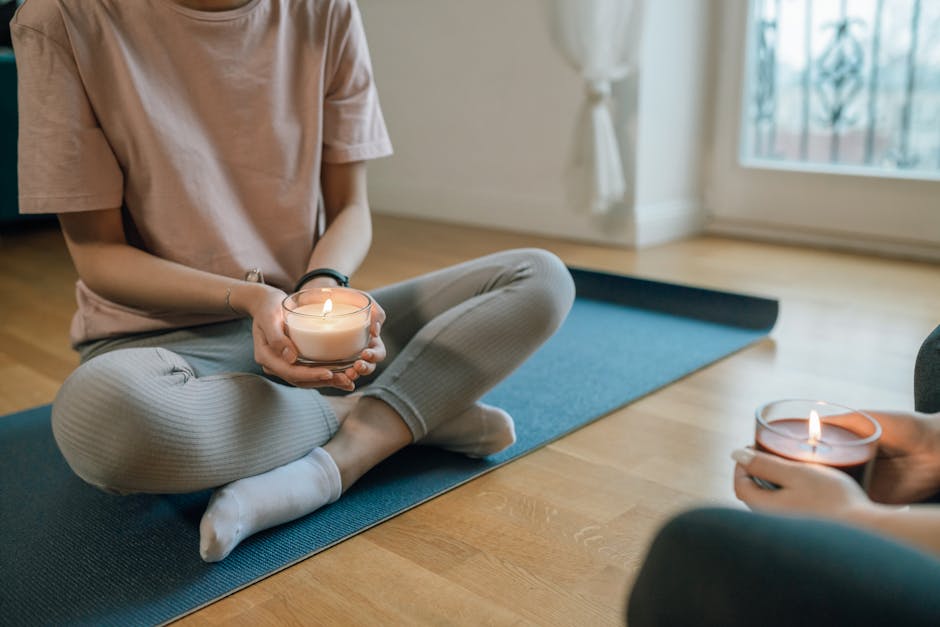
Takeaway: Practical, low‑cost rituals can support mood, resilience and relaxation when grounded in established self‑care principles. Below are approachable routines and safety notes informed by guidance from South West London and St George’s Mental Health NHS Trust.
Start with the basics: what self‑care does
According to South West London and St George’s Mental Health NHS Trust, self‑care is essential for maintaining good mental health. Taking time for yourself and prioritising well‑being can help reduce stress, increase resilience, and improve overall mood. The Trust also recommends reflecting on your needs, setting healthy boundaries, establishing regular self‑care practices and building a supportive network.
Core elements to include in every ritual
- Self‑reflection: Pause to notice emotions, triggers and what genuinely relaxes you, then choose activities that match those needs.
- Boundaries: Protect time and energy by saying no to commitments that undermine rest or recovery.
- Regular practice: Small, repeatable actions are emphasised by the Trust as a way to rejuvenate and recharge.
- Support: Surround yourself with people who understand and can help when needed.
Ritual ideas grounded in physical‑mental health links
The Trust highlights the two‑way link between physical health and mental health: the mind can’t function unless your body is working properly. It also sets out the mental‑health benefits of physical activity, including improved sleep, reduced anxiety and depression, and increased energy.
- Gentle movement: Choose an activity you enjoy and build it in gradually. The Trust notes that any exercise is better than none and cautions not to overdo it.
- Nature break: A short walk or time outdoors can support mood and focus.
- Mindful pause: Short periods of mindfulness or focused breathing to reduce stress and improve concentration.
Practical, flexible ritual templates
Below are adaptable ritual templates that apply the Trust’s core advice without requiring specialist equipment or expense.
Refresh ritual (short, repeatable)
Begin with self‑reflection: notice one feeling you want to shift. Follow with breathing or a short mindful walk. Finish by setting one small, achievable boundary for the rest of the day (for example, turning off notifications).
Nourish ritual (sustaining)
Combine a light physical activity you enjoy, a comforting homemade recipe or hot drink, and 20–30 minutes of reading or a preferred podcast. Use the time to reconnect with what gives you energy.
Reset ritual (deeper)
Create a sequence that includes a period of gentle movement, an extended mindful practice or relaxation exercise, and time to reflect on support networks or reach out to someone you trust. Close with a calming bedtime routine to support sleep quality.
Budget and accessibility notes
- Choose low‑cost options: walking, stretching, reading, or simple home cooking are effective and inexpensive.
- Adapt practices to mobility and sensory needs: select seated movement, shorter sessions, or audio content where helpful.
- Make rituals flexible: shorter, repeatable steps can be more accessible than long sessions.
Safety and when to seek support
The Trust advises building supportive relationships and seeking help when needed. If self‑care is not enough to reduce distress, follow local clinical guidance and contact health professionals or crisis services as appropriate.
Practical extras: playlists, podcasts and reading
Pair rituals with calming music, short guided‑meditation podcasts, or light reading to enhance relaxation. Choose material that matches your mood and accessibility needs.
Why small, consistent steps matter
South West London and St George’s Mental Health NHS Trust emphasises that small lifestyle changes including physical activity and regular self‑care practices support mental and physical health. The Trust notes benefits such as improved sleep, reduced stress and anxiety, increased energy, better concentration, and a lower risk of certain physical illnesses.
Source: Advice and support guidance from South West London and St George’s Mental Health NHS Trust.
Follow Joburg ETC on Facebook, Twitter, TikTok and Instagram
For more News in Johannesburg, visit joburgetc.com
Source: swlstg.nhs.uk