News
Fourteen Gauteng housing projects invaded as beneficiaries wait for homes
Fourteen of 45 Gauteng government housing projects were illegally occupied, delaying handovers and prompting calls for a digital beneficiary system and stronger enforcement.
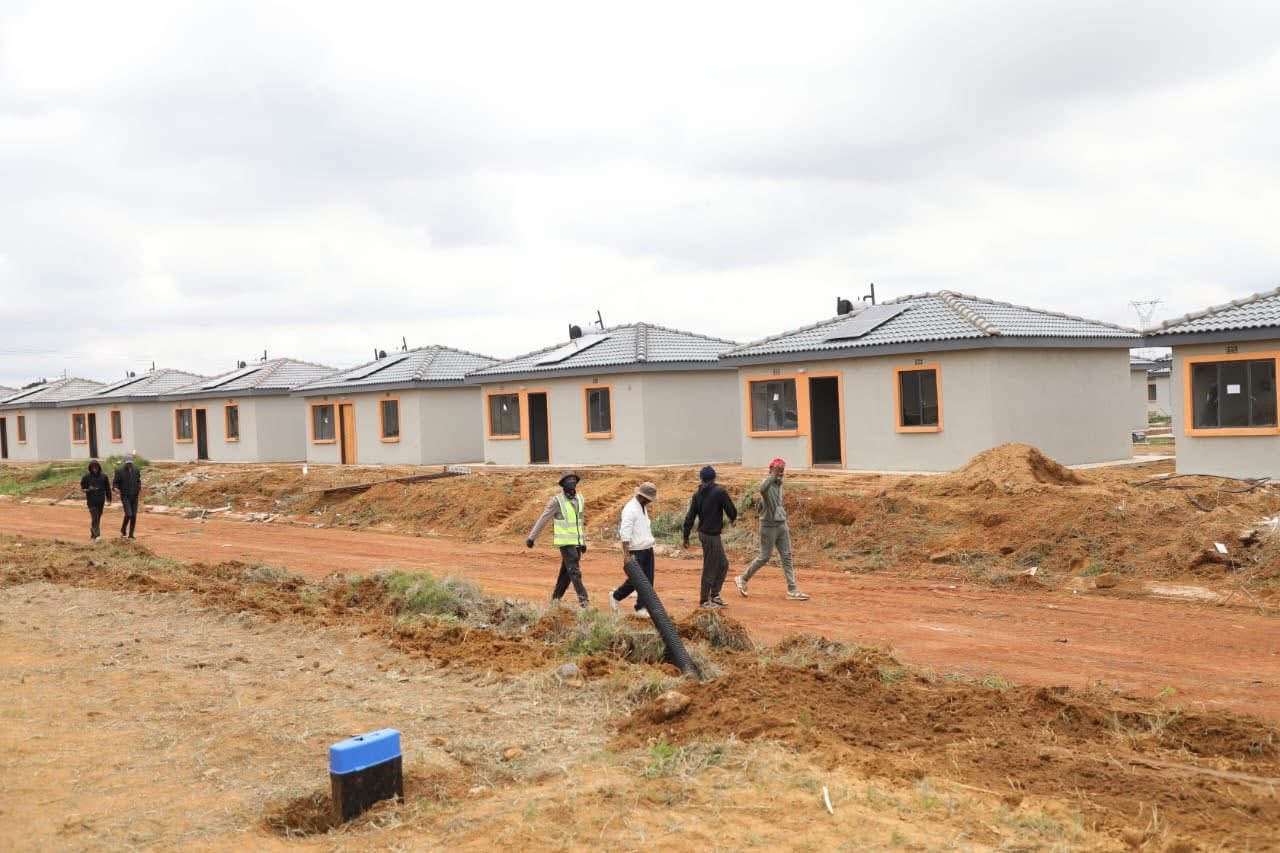
Fourteen of Gauteng’s 45 government-funded housing projects have been illegally occupied, leaving legitimate beneficiaries waiting for homes and forcing the department of human settlements to weigh costly eviction processes against other budget priorities.
What the department told the legislature
The Gauteng department of human settlements disclosed to the provincial legislature that 14 of 45 housing projects had been illegally occupied over the past five years. The department made the disclosure in response to questions from legislators and said it had previously raised the issue in the legislature in September last year.
The department said it had appointed a panel of security companies to monitor and conduct surveillance at housing projects, prevent land invasions and assist with enforcement of eviction orders. It warned, however, that each eviction order is estimated to cost about R1.5 million, a financial burden that could limit its ability to remove illegal occupants quickly.
Political and oversight reactions
DA Gauteng MPL Mervyn Cirota criticised reliance on budget constraints as an explanation, saying public investment was being surrendered to unlawful occupants while legitimate beneficiaries remained waiting.
“If the DA was in charge, in the event of illegal occupations, we will take swift legal action to protect investments and ensure allocation of homes to verified beneficiaries without years of delay,”
Cirota said.
Portfolio committee on human settlements chair Nocks Seabi described illegal occupation as a widespread national challenge and flagged the mismanagement of beneficiary lists as a key problem. Seabi urged the creation of a digital platform to systematically record and identify intended beneficiaries from the start of a housing project, saying this would reduce scope for illegal occupation by making clear who is legitimately in line for housing.
Delays, costs and the effect on beneficiaries
Seabi said project delays including non-payment of contractors and delays in approvals by the National Home Builders Registration Council left completed or near-complete houses vulnerable to occupation. He said lengthy legal proceedings to remove illegal occupants further postponed allocations to rightful beneficiaries and that the impact on those beneficiaries was devastating, forcing them to live in inhumane conditions despite resources already having been committed to providing them with homes.
Seabi also warned that illegal occupation imposed an additional burden on the public purse because the department could be forced to spend on legal proceedings and repairs before properties could be handed over, resulting in duplication of costs that better beneficiary management and faster project completion could avoid.
Calls for transparency, coordination and enforcement
Seabi urged the department to develop and institutionalise a digital beneficiary list system allowing beneficiaries to verify their position and the project they would benefit from. He also called for improved communication between the department, municipalities and communities about planned projects, timelines and delivery numbers, and for closer cooperation with law enforcement to investigate and, where evidence supported it, prosecute those involved in corruption.
Community organisers raise allegations of sales and exclusion
Thapelo Mohapi of Abahlali baseMjondolo said his organisation was aware of allegations that government officials had been involved in the sale of houses intended for beneficiaries, and pointed to examples in the eThekwini municipality where houses were allegedly sold by officials and ward councillors during allocation. Mohapi said communities were often excluded from developments and said the government must meaningfully engage people from the beginning of housing projects.
Mohapi also said some residents were receiving municipal water bills for houses they had never occupied while continuing to live in informal settlements, and that such records could potentially prevent residents from applying for housing because municipal systems might indicate they had already been allocated a house. He called for implementation of the upgrading of informal settlements policy and for land to be made available closer to where people work.
Investigation remains unresolved
According to The Citizen, its investigation has found that the problem of illegal occupation of government-funded housing projects in Gauteng remains unresolved.
The situation, as set out to the legislature, underscores calls for stronger beneficiary verification, faster project completion and tighter coordination between human settlements authorities, municipalities and law enforcement to protect public investment and ensure homes reach their intended recipients.
Follow Joburg ETC on Facebook, Twitter, TikTok and Instagram
For more News in Johannesburg, visit joburgetc.com
Source: citizen.co.za