World
Putin courts African leaders as Russia positions itself as an alternative to the West
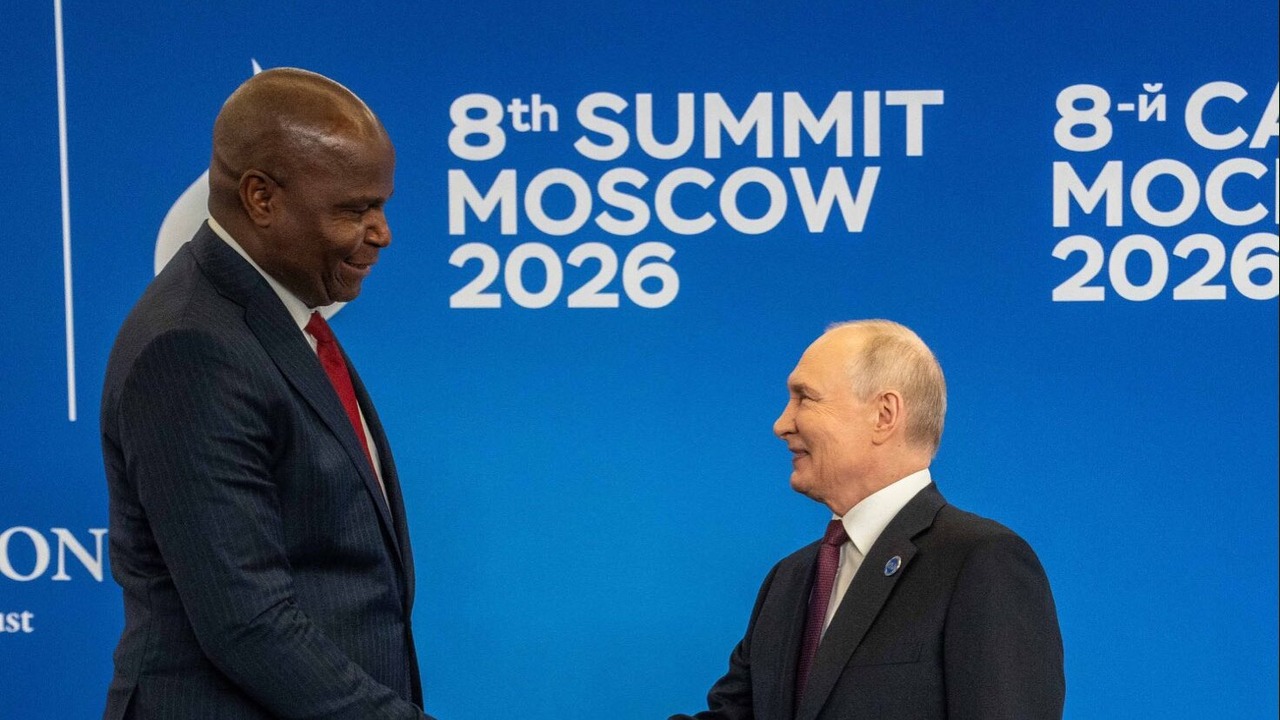
Russian President Vladimir Putin has presented Russia as an alternative to Western powers during a summit in Moscow, accusing Western countries of exploiting Africa while promising closer economic cooperation, technology sharing and support for food security.
The two-day Russia-Africa Summit, which began on Wednesday, 28 October, has brought together delegations from 48 African countries, including 22 represented by their national leaders.
For Moscow, the gathering is an opportunity to strengthen its political, economic and military influence across the continent while facing continued Western sanctions over its war in Ukraine.
Reportedly, Putin told delegates that Africa was becoming an increasingly important force in global affairs, but argued that some Western countries were unwilling to accept a world in which power was shared more widely.
‘Africa is increasingly asserting itself as one of the key players in the global economy and politics.’
– Russian President Vladimir Putin
Putin accused Western countries of using debt to restrict Africa’s development, arguing that Russia offered a different approach to international cooperation. He said Moscow was prepared to share expertise, including digital technology, and support local production instead of simply purchasing African raw materials.
According to Putin, this approach could create jobs, generate tax revenue and help African countries develop their own industries.
Russia reportedly also expressed its willingness to participate in joint transport and agricultural infrastructure projects and supply grain and fertiliser to more African countries.
These commitments address issues that remain important across the continent, particularly food security, infrastructure development and employment. However, the impact of the summit will depend on whether the promises lead to practical projects and lasting economic benefits.
Sahel countries strengthen ties with Moscow
Russia’s criticism of colonialism has found support among some African governments, particularly in the Sahel, where several countries have moved away from France and strengthened relations with Moscow.
Burkina Faso Prime Minister Rimtalba Jean Emmanuel Ouedraogo defended his country’s relationship with Russia, saying the cooperation respected both parties’ interests and African cultures.
‘This is completely different from what we had with imperialist France.’
– Burkina Faso Prime Minister Rimtalba Jean Emmanuel Ouedraogo
Mali illustrates the region’s changing relationships. Following military coups in 2020 and 2021, its junta distanced itself from France and moved closer to Russia, whose paramilitary personnel have supported the government as it confronts security threats.
Western governments have accused Russian forces of helping military juntas maintain power and expanding Moscow’s geopolitical influence. Russia rejects these allegations. The summit therefore reflects a wider shift in parts of Africa, where governments are reconsidering traditional partnerships and seeking alternatives in security and economic development.
Russian President Vladimir Putin told the leaders of dozens of African nations that Moscow was their best partner, accusing the ‘colonial’ West of still trying to exploit the continent’s resources. The Kremlin is hosting a two-day Russia-Africa Summit. https://t.co/jsjSq97g8E
Al Jazeera English (@AJEnglish) October 28, 2026
Moscow’s engagement with African countries also forms part of its effort to counter Western pressure over the war in Ukraine. The Kremlin has described Russia and African nations as natural allies in building a multipolar world order, where international influence is shared among several powers rather than concentrated in the West.
Putin also said Russia supported greater African representation in the International Monetary Fund and World Bank, where developing countries have long sought a stronger voice.
Meanwhile, the Kremlin says 33 documents are expected to be signed during the summit, including agreements on economic cooperation. Russia is also looking to expand its diplomatic presence, with plans to open an embassy in Liberia, which would bring its total number of embassies on the continent to 49.
Caros compatriotas,
Estamos em Moscovo, a convite do Presidente da Federação da Rússia, Vladimir Putin, para participar na 3.ª Cimeira Rússia–África. Esta presença reflecte a importância que atribuímos ao diálogo, à cooperação e ao fortalecimento das relações entre Moçambique, a Federação da Rússia e os países africanos.
À margem desta agenda, participámos hoje na 8.ª Cimeira do Fórum dos Países Exportadores de Gás, onde defendemos que os recursos energéticos devem gerar desenvolvimento para os nossos povos e fortalecer a cooperação entre as nações.
#Vamostrabalhar
Presidente Daniel Chapo (@daniel_chapo24) October 27, 2026
The gathering comes amid continued conflict in eastern Democratic Republic of Congo, with both the DRC and Rwanda sending representatives. DRC President Félix Tshisekedi is attending, while Rwanda is represented by Prime Minister Justin Nsengiyumva. Fighting involving the M23 movement has continued despite a US-brokered truce in December.
The presence of both countries highlights the complex diplomatic challenges facing African governments as they pursue international partnerships.
For African leaders, closer ties with Russia could offer opportunities for investment, agricultural support, technology transfers and diplomatic cooperation. However, the value of those relationships will ultimately depend on whether they deliver tangible benefits to local economies and communities.
As Putin courts African leaders in Moscow, the summit is about more than diplomatic relations. It reflects a growing contest for influence across a continent whose governments are increasingly seeking to shape their own economic and political futures.
Be the first to know – Join our WhatsApp Channel for content worth tapping into! Click here to join!
Follow Joburg ETC on Facebook, Twitter, TikTok and Instagram
For more News in Johannesburg, visit joburgetc.com
Featured Image: Presidente Daniel Chapo / X