Sponsored
Spring Pet Care Tips: Seasonal Allergies & Health Risks
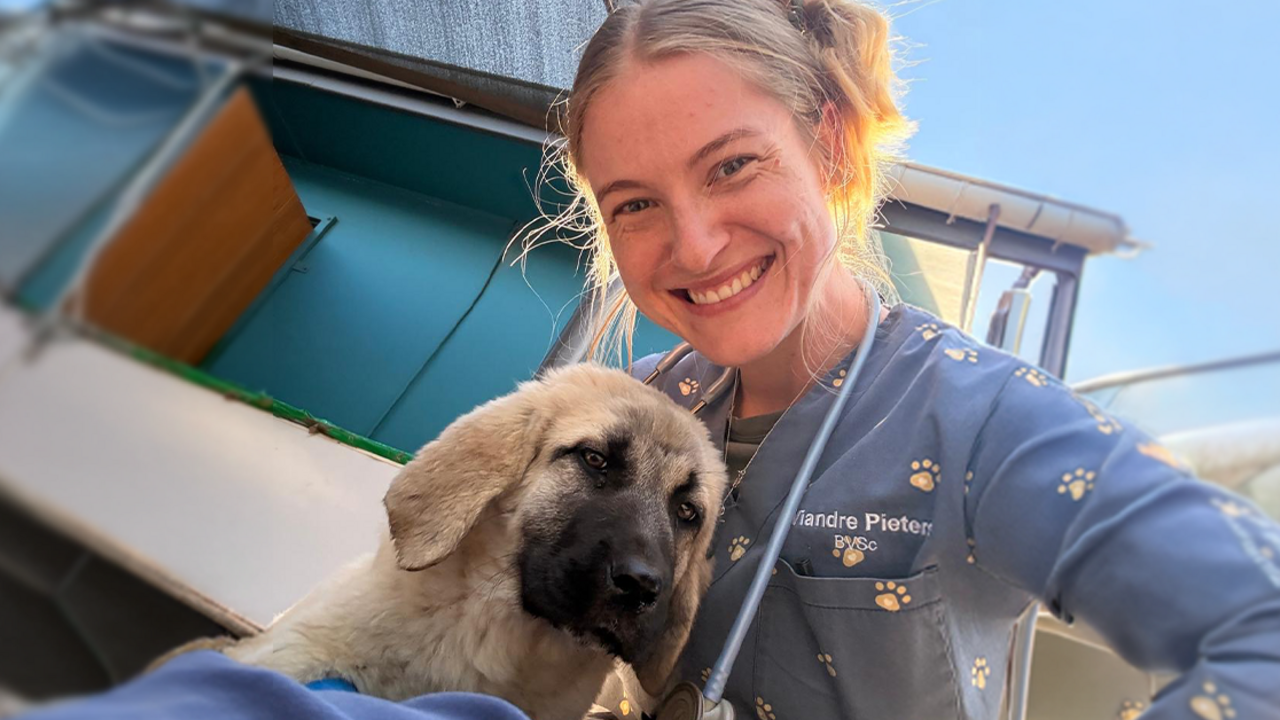
Warmer weather is a welcome invitation for pets to spend more time outside. But while they are busy sniffing, exploring, and enjoying the sunshine, they may also be encountering more health risks.
Dr Wiandre Pieters of Bloemfontein Veterinary Hospital says spring brings an increase in environmental triggers that can contribute to allergic skin reactions. Ectoparasites, including fleas and ticks, also tend to increase as temperatures and humidity rise.
Why Do Pets Get Itchier in Spring?
Pollen, grass, and other environmental allergens become more prevalent during spring. Pets with an unhealthy skin barrier can be particularly sensitive to these triggers.
Fleas are another common culprit. Pieters says ectoparasites are one of the most common causes of itchy skin in pets, even when owners can’t see them.
A single flea bite can trigger an allergic reaction in a sensitive animal. Flea eggs can also be found in carpets and bedding, meaning an indoor pet is not automatically a flea-free pet.
Ticks can also cause plenty of irritation, as well as transmit diseases, so year-round parasite prevention is about more than keeping your pet from scratching.
More time outdoors means more exposure to seasonal allergens and parasites. A few simple preventative steps can help keep pets comfortable this spring.
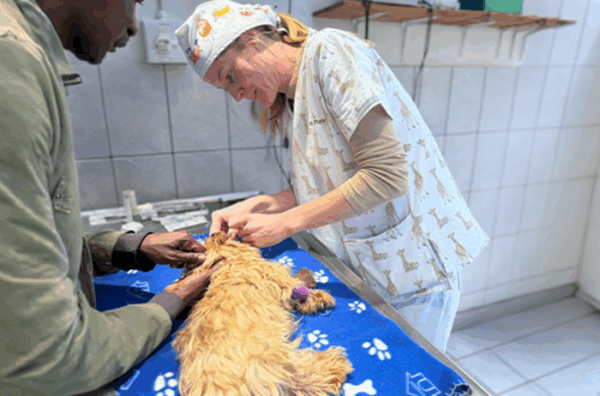
Allergy, Food Sensitivity, or Something Else?
Working out why a pet is itchy is not always straightforward.
Environmental or contact allergies can affect areas such as the paws and belly. Food allergies can be harder to distinguish, but may occur alongside digestive problems such as vomiting, changes in stool consistency, poor appetite, or excessive gas.
Pieters recommends paying attention to what happened before the itching started, including any new treats or changes in their diet.
Chronic skin problems can leave their own clues. Repeated scratching and licking can cause hair loss, while prolonged inflammation may cause the skin to become darker and more leathery, particularly around the ears, paws, and belly.
These changes deserve veterinary attention rather than months of hoping the problem will disappear. Hot spots, hives, facial swelling, and wounds that are not healing are all reasons to contact your vet as soon as possible.
Should You Bathe or Shave an Itchy Dog?
A bath may help remove pollen and other allergens from a pet’s coat, while a veterinarian may recommend a medicated hypoallergenic shampoo to support skin health.
Shaving is not automatically the solution for an itchy dog and should be discussed with a vet first, particularly when it comes to double-coated breeds.
A thick coat can trap pollen and other allergens, but removing it can cause further irritation if done incorrectly.
Stick to Veterinary Advice
An allergy medication that works for you may not be appropriate for your pet. Human medicines should never be given to an animal without a vet’s advice. Some can be dangerous, while others require carefully calculated doses or may work differently in pets.
Diet can also influence skin and gut health, but if a pet has been eating the same food and treats for a long time without previous problems, it may not be the main explanation for a sudden seasonal flare-up.
And remember that an uncomfortable pet may behave differently too. Itching can leave animals restless or anxious, so a change in behaviour can be another sign that something is bothering them.
Give Pet Health a Little Extra Attention
Spring is a good time to check the basics: Is your pet’s flea and tick prevention up to date? Have you noticed changes in their skin, coat, ears, or behaviour? Is there anything that has been bothering them for longer than it should?
Those small checks are part of wholehearted pet care. And when a problem does need veterinary attention, having pet insurance in place can help with the costs associated with unexpected illness or injury.
Ts & Cs and possible exclusions may apply and can be obtained by emailing [email protected]. Dotsure Limited (Registration number 2006/000723/06) is a licensed non-life insurer and authorised financial services provider (FSP39925). Voted South Africa’s Best Pet Insurance 2023-2025 by readers of The Star, Die Burger, Beeld, and City Press.
Follow Joburg ETC on Facebook, Twitter, TikTok and Instagram
For more News in Johannesburg, visit joburgetc.com