News
Relief Ahead: South African Fuel Prices Set to Drop in November
South African motorists can expect a fuel price drop from 4 November 2026, with petrol and diesel costs set to decrease due to temporary tax cuts.
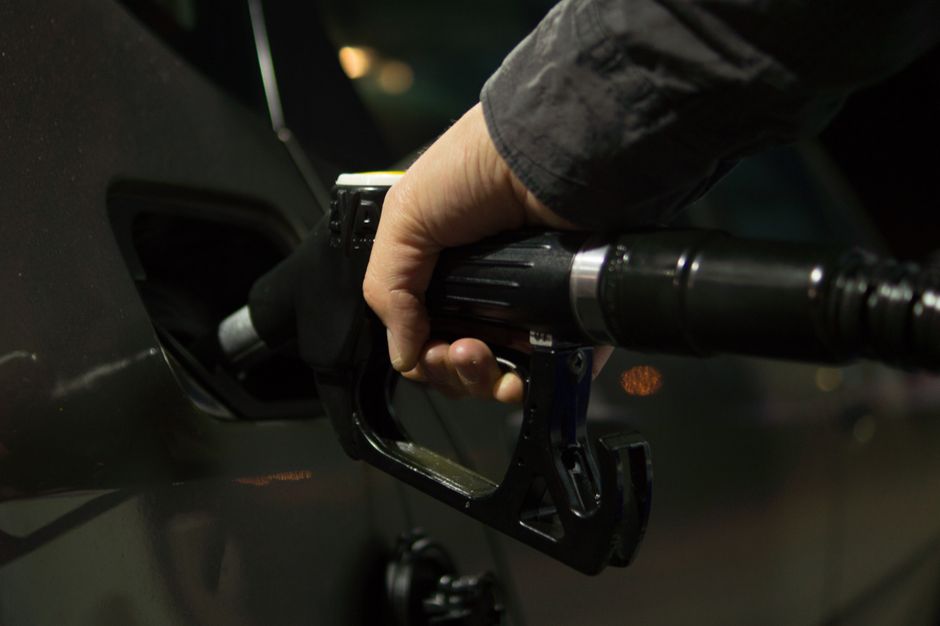
Temporary Fuel Tax Relief Offers Motorists a Short-Term Reprieve
South African drivers are poised for some relief at the pumps starting Wednesday, 4 November 2026, as newly announced measures are expected to lower the cost of both petrol and diesel. These changes stem from temporary tax reductions, giving some much-needed respite after months of significant price increases.
According to recent month-end data from the Central Energy Fund (CEF), motorists may see a decrease of 50 cents per litre for 95 Unleaded petrol and 93 cents for 93 Unleaded, with both grades averaging a reduction of about 42 cents per litre. Diesel prices are also expected to fall, with predicted reductions of R1.58 per litre for 500ppm and R1.68 for 50ppm diesel.
How Temporary Tax Reductions Will Affect Fuel Prices
The anticipated relief is largely driven by temporary fuel relief measures announced by Finance Minister Enoch Godongwana. The General Fuel Levy will see a cut of R1.50 per litre for petrol and R3.00 for diesel, effective from 4 November until 1 December. Afterward, from 2 December to 5 January 2027, these reductions will taper to R1.00 per litre for petrol and R1.50 per litre for diesel.
The exact pricing may still be adjusted due to additional factors such as the Slate Levy, which could affect final numbers. The Department of Mineral and Petroleum Resources is scheduled to announce the official adjustments early in the week.
Projected Pump Prices Across Regions
- At the coast, motorists can expect 95 Unleaded to cost around R28.96 per litre.
- For inland areas, the expected price for 95 Unleaded is R29.83 per litre, while 93 Unleaded will retail at approximately R29.46.
- On the diesel side, 500ppm is projected at R29.50 per litre (coast) and R30.37 (inland). The superior 50ppm diesel is likely to cost R30.25 at the coast and R31.12 inland.
Temporary Measures Prevent Steeper Price Increases
Without the announced temporary relief, fuel prices would have climbed even further in November. Motorists could have faced increases of up to R1.16 per litre for petrol and R1.42 for diesel. This comes after a challenging period in October, when prices spiked by as much as R3.33 for petrol and R3.24 for diesel per litre.
The cumulative effect has been stark. Petrol prices have gone up by nearly R10 per litre since March, with 95 Unleaded rising from R19.92 to R29.38. Diesel (500ppm) surged by about R13 during the same period, climbing from R17.70 to R31.08.
Global Oil Prices and Market Volatility
October saw international oil prices rise sharply amid escalating conflict in the Middle East. Concerns about military escalation, threats to key energy infrastructure, and possible disruptions in the Strait of Hormuz drove up global oil supply fears and added upward pressure to local fuel costs.
Government’s Plans for the General Fuel Levy
While the current tax relief is a temporary measure, Finance Minister Godongwana indicated a long-term aim to eventually phase out the General Fuel Levy. However, this presents a major challenge, as the levy currently generates around R80 billion in annual revenue. Government is also evaluating alternative mechanisms for funding the Road Accident Fund, and a review of the overall fuel price structure is expected to conclude by March 2027.
Both government and economists caution that cutting fuel taxes permanently is unlikely in the near future. There are warnings it could strain public finances, potentially weaken the rand, or necessitate tougher fiscal adjustments elsewhere.
What to Expect Going Forward
Motorists should view these fuel price reductions as a temporary reprieve rather than a permanent solution. The final pump prices for November will depend on the Department of Mineral and Petroleum Resources’ forthcoming announcement, which takes into account any ad hoc adjustments like the Slate Levy.
As always, local fuel prices remain at the mercy of a volatile global oil market and the delicate balance between government revenue needs and consumer relief. While the upcoming decrease offers short-term relief, the long-term picture for South African fuel costs remains complex and uncertain.
Follow Joburg ETC on Facebook, Twitter, TikTok and Instagram
For more News in Johannesburg, visit joburgetc.com
Source: iol.co.za