Health
Crackdown on compounded weight-loss drugs leaves South Africans facing a costly choice

For thousands of South Africans trying to manage their weight, access to GLP-1 medication has become about more than simply getting a prescription.
Recent regulatory and legal action against pharmacies illegally compounding GLP-1 medicines has disrupted a cheaper route that was reportedly being used by as many as 300,000 people.
With demand for weight-loss GLP-1 medicines estimated at around R3 billion, the crackdown has highlighted a difficult reality: when legitimate treatment remains expensive, shutting down an unregulated supply does not necessarily make the demand disappear.
It can instead push some people towards other informal sources.
The affordability problem
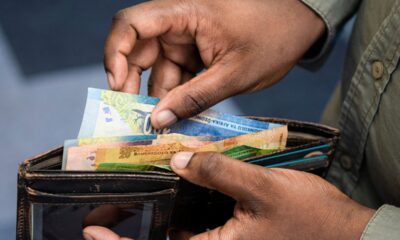
Registered GLP-1 medicines can cost between R3,000 and R6,000 a month, before consultation fees.
Medical aid support is also limited. According to the information supplied, many schemes contribute roughly half the cost for members using these medicines in connection with a diabetes diagnosis.
For people seeking treatment primarily for weight management, however, the financial burden can fall largely on their own pockets.
That price difference helped create demand for cheaper compounded alternatives.
Shaun Barns, co-founder and CEO of Obiiflex, says the challenge now is ensuring people do not replace one risky option with another.
“If there’s legitimate, affordable access, that demand doesn’t disappear,” Barns said.
Why regulators are raising the alarm
South Africa’s health regulator, the South African Health Products Regulatory Authority (SAHPRA), has previously warned about falsified, compounded and substandard GLP-1 products being sold through websites, social media and informal channels.
The concern is not simply where these products are sold, but whether consumers can know what they are actually receiving.
SAHPRA has warned that compounded GLP-1 products have not undergone its assessment for quality, safety and effectiveness. It has also raised concerns about products claiming to contain semaglutide, noting that their active pharmaceutical ingredients may not have been verified against registered products.
The regulator has urged the public to buy only SAHPRA-registered GLP-1 medicines.
It has also investigated websites presenting themselves as online pharmacies that allegedly sell unauthorised or falsified versions of medicines containing semaglutide and tirzepatide.
What about Ozempic and Mounjaro?
There is an important distinction between medicines that contain GLP-1-related ingredients and what they are actually registered to treat in South Africa.
Ozempic (semaglutide) is registered in South Africa for adults with type 2 diabetes, including certain cardiovascular-risk indications. According to the supplied SAHPRA information, Ozempic is not registered in South Africa specifically for weight management.
Mounjaro (tirzepatide) is registered for the treatment of type 2 diabetes in South Africa. The supplied SAHPRA information says it had not been imported and placed on the local market through Eli Lilly’s distribution channels at the time of that notice, and it was not registered in South Africa for weight management.
That makes checking the registration and approved indication of any medicine particularly important.
A payment plan enters the picture
As the affordability debate continues, health management company Obiiflex is positioning its programme as an alternative to the cheaper but unregulated market.
The doctor-led programme spreads payments over several months rather than requiring the full treatment cost upfront.
Its three-month programme is structured around five monthly payments of R1,499, while the six-month programme is split into nine monthly payments of R1,999.
The packages include a virtual doctor consultation, health coaching, digital tracking tools, weekly wellness guidance and delivery. The service can be accessed through WhatsApp or the web.
The company’s doctors have received specialist training in the endocrinology and cardiology aspects of weight management, according to Obiiflex.
Medication is only one part of the approach
The programme combines low-dose GLP-1 treatment with lifestyle support, including advice around nutrition, sleep and movement.
Members can also track measures such as body composition and blood pressure, while additional one-on-one coaching is available at an extra cost.
Obiiflex says its programme targets weight loss of up to 10% of body weight over six months, although individual results can vary.
For Barns, the aim is therefore not simply to make medication cheaper, but to surround treatment with medical oversight and ongoing support.
The bigger issue is safe access
South Africa’s GLP-1 debate sits at the intersection of health, affordability and regulation.
For people struggling to pay thousands of rand every month, cheaper alternatives can be tempting. But regulators have made it clear that unregistered and falsified medicines can carry unknown risks because their ingredients, quality, safety and effectiveness have not been properly assessed.
SAHPRA has also warned healthcare professionals against using non-registered or falsified products.
Follow Joburg ETC on Facebook, Twitter, TikTok and Instagram
For more News in Johannesburg, visit joburgetc.com