Health
Ebola vaccines arrive in DRC as Bundibugyo outbreak spreads across provinces
Ervebo doses have reached the DRC for use against a Bundibugyo outbreak. WHO warns vaccines alone won’t stop intense, multi‑province transmission and regional spread.
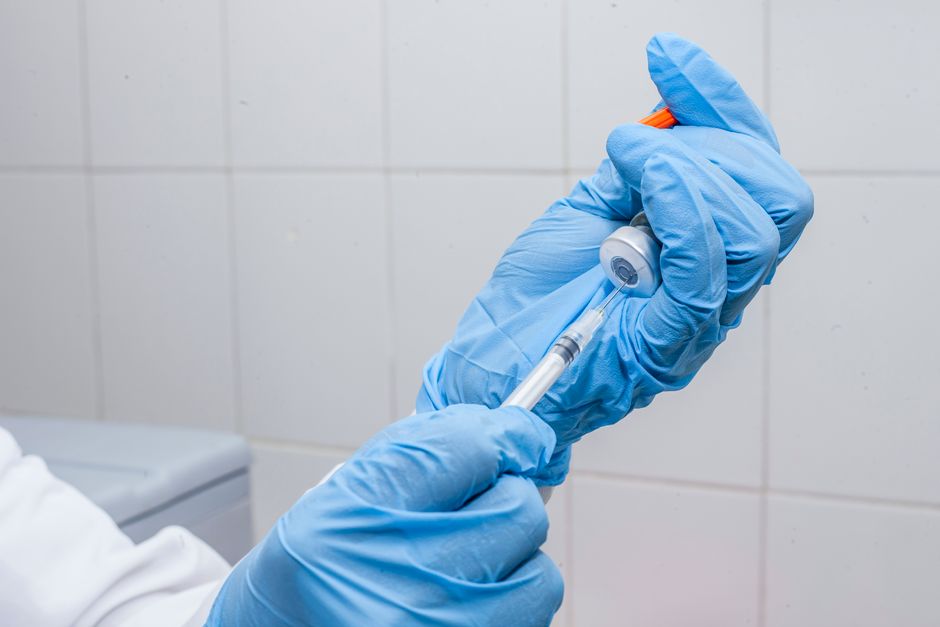
Ervebo vaccine doses have been allocated to the Democratic Republic of Congo as authorities confront a rapidly expanding Ebola outbreak caused by the Bundibugyo virus. World Health Organization officials and partners stress that the arrival of vaccines does not by itself bring the epidemic under control.
Why Ervebo is being used and the limits of the vaccine
The current outbreak is caused by the Bundibugyo virus, while Ervebo is licensed and recommended for outbreaks caused by the Zaire species of Ebola. Because Ervebo is not specifically approved for Bundibugyo, the WHO and its partners have developed emergency guidance for using the vaccine in this outbreak rather than relying on an established, routinely approved vaccine for Bundibugyo.
The organisations emphasise that a vaccine is not a victory yet. While the arrival of doses is an important tool, it must reach the right people at the right time. The response requires logistics, surveillance and community trust alongside scientific measures: health workers need protection, contacts must be identified quickly, communities need reliable information, and laboratories must diagnose infections promptly. A stockpile in a warehouse cannot stop transmission on its own.
Outbreak size and regional implications
The Bundibugyo outbreak in the DRC has . The WHO has described transmission as intense, noting the virus is spreading across multiple provinces and health zones.
The crisis is already regional: Uganda has recorded cases, and there have been isolated cases treated in Europe. The WHO has assessed the risk to the DRC as very high. The DRC shares borders with nine states, and large mobile populations mean the outbreak cannot be viewed as confined within national borders.
Operational and policy challenges
Public-health agencies say the distinction between having a vaccine and deploying it effectively is critical. Deployment depends on surveillance, laboratory capacity, logistics and community engagement. Africa CDC guidance cited in reporting argues that blanket travel restrictions are not justified for this outbreak and instead recommends surveillance and targeted public‑health measures.
Preparedness and broader lessons
Experts quoted in the reporting say the outbreak highlights weaknesses in research, manufacturing and emergency preparedness across the continent. Bundibugyo is rare, and vaccine development has lagged compared with work on the Zaire species. The situation underlines the need for stronger disease surveillance, faster diagnostics, and investment in vaccine research and manufacturing capacity so that African countries are not forced to rely solely on international stockpiles during crises.
A final reminder
The arrival of Ervebo gives the DRC an additional tool in its response to a difficult outbreak, but authorities and health agencies caution that its presence alone will not end transmission. The real measure of success will be whether vaccines, logistics and public‑health systems combine quickly enough to curb intense and geographically expanding spread.
Follow Joburg ETC on Facebook, Twitter, TikTok and Instagram
For more News in Johannesburg, visit joburgetc.com
Source: iol.co.za