Health
Gauteng health officials warn low contraceptive uptake driving unintended pregnancies
Gauteng Health says low contraceptive use is linked to unintended pregnancies. Only 32.45% of eligible women accessed free contraception in the latest quarter.
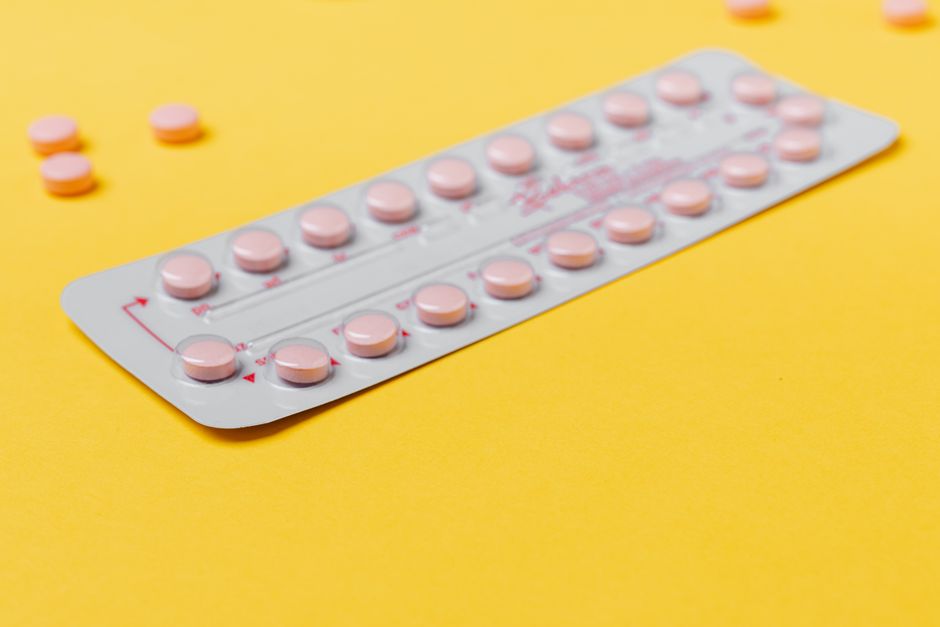
The Gauteng Department of Health has raised concern that low use of free contraceptives is contributing to unintended pregnancies across the province, and is urging women of reproductive age to make greater use of public family planning services.
Low uptake and the numbers
The department said an estimated 75% of unintended pregnancies in South Africa are linked to low contraceptive use. Speaking for the department, spokesperson Steve Mabona said that in the first quarter of the 2026 and 2027 financial year only 32.45% of eligible women accessed contraceptive services, against a target of 43%.
Free options on offer
Mabona outlined that a wide range of safe and free contraceptive methods are available at public healthcare facilities. He listed long-acting reversible contraceptives such as the subdermal Implanon and intrauterine devices including the Copper T; injectable options including Nur-Isterate and Depo-Provera; and oral contraceptives Triphasil, Microval and Nordette.
Contraceptive services are provided free of charge at all levels of the public healthcare system clinics, community health centres, hospitals and mobile health services and the department said all health facilities have trained staff who provide counselling and insertion and removal services for long-acting methods.
Barriers: myths and side‑effect concerns
Mabona acknowledged that misconceptions and fears about contraceptives remain barriers to uptake. He said,
“Many women cite concerns about side effects and possible infertility as reasons for not using contraceptives,”
and added that these concerns are often tied to inadequate knowledge and misinformation about available options. He said the benefits of contraceptive use outweigh potential side effects and that
“access to contraception empowers women and families to make informed reproductive choices, improves maternal and child health outcomes, and reduces the risks associated with unintended pregnancies.”
Youth services and wider sexual health care
The department noted it provides youth‑friendly services through Youth Zones at healthcare facilities, offering confidential access to contraceptives, information and support, including after‑school hours. The department also highlighted that contraceptive services are offered through service‑level agreements with selected private providers who share service data with the department.
The department used World Contraception Day (September 25) and its theme, “No Barriers, Just Choices: Contraceptive Access Now”, to promote awareness, counter myths and encourage informed decision‑making among communities and young people.
Complementary prevention and other services
Mabona stressed that contraceptives do not protect against HIV and other sexually transmitted infections and urged consistent and correct condom use for HIV and STI prevention. He also noted that HIV prevention options, including pre‑exposure prophylaxis (PrEP) and lenacapavir, are available at public healthcare facilities.
Beyond family planning, Gauteng public healthcare facilities provide a range of sexual and reproductive health services, including pregnancy testing, antenatal care, STI screening and treatment, breast and cervical cancer screening, and HIV counselling and testing.
Service reach
Mabona said that during the 2025 and 2026 financial year the department provided contraceptive services to 2,915,945 women of reproductive age, which the department presented as evidence of continued availability and accessibility of family planning services across the province.
Follow Joburg ETC on Facebook, Twitter, TikTok and Instagram
For more News in Johannesburg, visit joburgetc.com
Source: iol.co.za