City Guides
Johannesburg summer survival guide: heat, hail and afternoon storms
Practical safety and preparedness tips for Johannesburg’s October–March warm, wet season heat advice, storm safety, travel tips and home checklist.
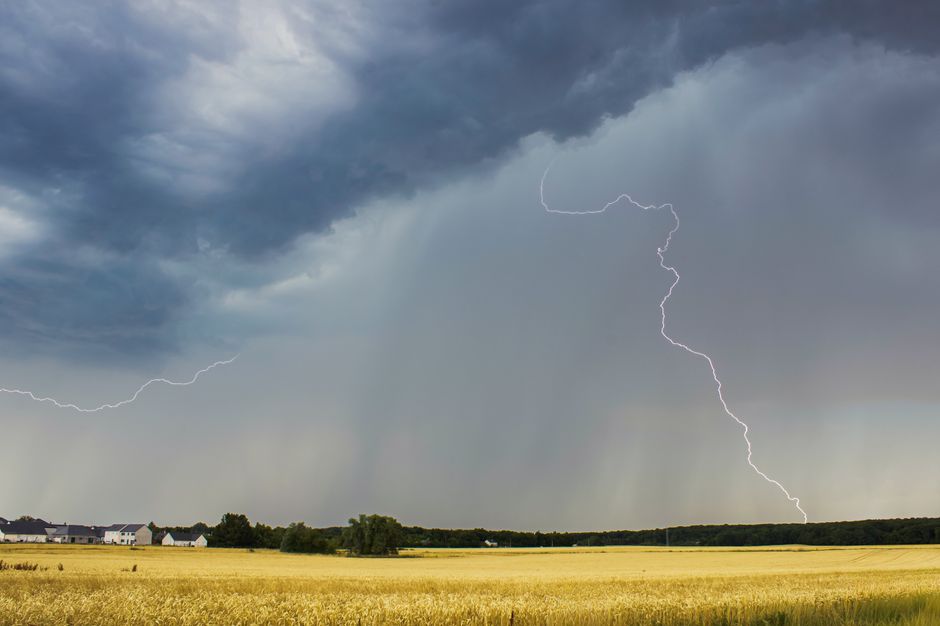
Quick takeaway: Johannesburg’s summer (October–March) is typically warm and wet, with a daily pattern of afternoon or evening showers and thunderstorms that can bring lightning, heavy short-duration rain, strong gusts and episodic hail. Use official SAWS warnings and municipal advisories as the day’s authoritative guidance.
What to expect in a Joburg summer
Summers on the Gauteng Highveld run from October to March. The season is generally warm and wet, with the middle months typically the stormiest. Thunderstorms often develop in the afternoon or evening and can vary sharply across the metro: some storms are routine, while others bring lightning, intense short bursts of rain, strong gusts and hail.
Heat health and home tips
When temperatures rise, follow recognised definitions from the South African Weather Service (SAWS) before labelling an event a heatwave. Practical precautions include:
- Drink water regularly and stay hydrated.
- Limit strenuous activity during the hottest part of the day.
- Wear light clothing, seek shade and use sunscreen.
- Never leave children, older people or pets in parked vehicles.
- Check on neighbours or people who may be particularly vulnerable to heat.
Afternoon storms and hail stay-safe guidance
Thunderstorms in Joburg can produce lightning and hail. When storms approach:
- Seek shelter in a building or a hard-topped vehicle.
- Avoid open fields, hilltops, isolated trees and water such as pools.
- Follow SAWS warnings and municipal advisories for your area.
- Never attempt to walk or drive through floodwater.
Travel, transport and driving in summer storms
Heavy downpours and hail can reduce visibility, cause localised flooding, and leave fallen branches on roads. Practical driving advice includes:
- Slow down in heavy rain and increase following distance.
- Avoid flooded underpasses and never drive through standing water.
- Park under cover when hail is forecast and avoid parking beneath trees.
Preparing your home, garden and car
Simple, low-cost measures reduce risk and disruption during summer storms:
- Close blinds or curtains on sun-facing windows during the day and ventilate when cooler.
- Use fans where they improve airflow, but remember they do not replace hydration and shade.
- Secure loose outdoor furniture and clear drains and gutters where it is safe to do so.
- If using a generator, operate it outdoors and well away from doors and windows to avoid carbon-monoxide danger.
- Keep basic car emergency items: charged phone, torch, cloth or scraper for windscreens, and emergency contact details.
Health, safety and emergency planning
During storms, stay indoors if possible and keep away from water and open areas. During extreme heat, reduce strenuous activity at peak heat, hydrate and seek medical help if heat-related symptoms occur. For medical guidance, consult the National Institute for Communicable Diseases (NICD) or the Department of Health.
Outages, infrastructure and who to contact
Storm damage, lightning strikes and fallen trees can affect local infrastructure and cause power interruptions. Planned load-shedding is a separate issue from storm-related outages. Verify whether your area is served by City Power or Eskom before using a specific outage-reporting channel, and report faults through the relevant official provider.
Daily planning and using forecasts
Day-to-day forecasts and warnings guide safe choices. For example, TimesLIVE reported on 5 October 2026 that isolated showers and thundershowers were expected around Johannesburg and Pretoria, while a separate 5 October 2026 report described Gauteng as largely dry for the following day and warned of storms elsewhere in the country. Check SAWS and municipal channels for warnings specific to your location before travel or outdoor plans.
Packable checklist for residents and visitors
- Torch and charged phone
- Drinking water and essential medicines
- Light clothing, hat and sunscreen
- Emergency contact numbers and local municipal/utility reporting details
- Car emergency kit: cloth/scraper, phone charger, basic first-aid
Final note: This guide summarises common seasonal patterns and practical preparedness steps. For authoritative weather warnings, station data and definitions such as the SAWS heatwave definition, consult the South African Weather Service and your local municipal or electricity provider before publishing or acting on specific event counts or averages.
According to TimesLIVE and IOL, a 5 October 2026 TimesLIVE report said isolated showers and thundershowers were expected around Johannesburg and Pretoria, while a separate 5 October 2026 report described Gauteng as largely dry for the following day and warned of storms elsewhere in the country.
Follow Joburg ETC on Facebook, Twitter, TikTok and Instagram
For more News in Johannesburg, visit joburgetc.com