News
ANC Challenges Voting Irregularities in Johannesburg as Mass Registrations Raise Alarms
The ANC challenges alleged voting irregularities in Johannesburg, highlighting mass voter registrations and concerns about the accuracy of election results.
Formal Objections Submitted
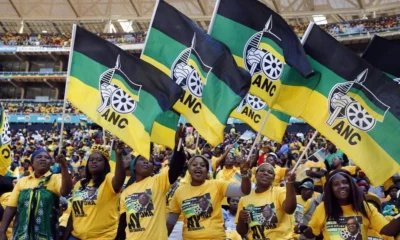
According to a statement from Sasa Manganye, regional secretary for the ANC in Johannesburg, the party has contested the results from some voting precincts in the city. Manganye emphasized that while the ANC respects the democratic process and the voters’ choices, serious concerns have arisen regarding the accuracy of certain recorded results.
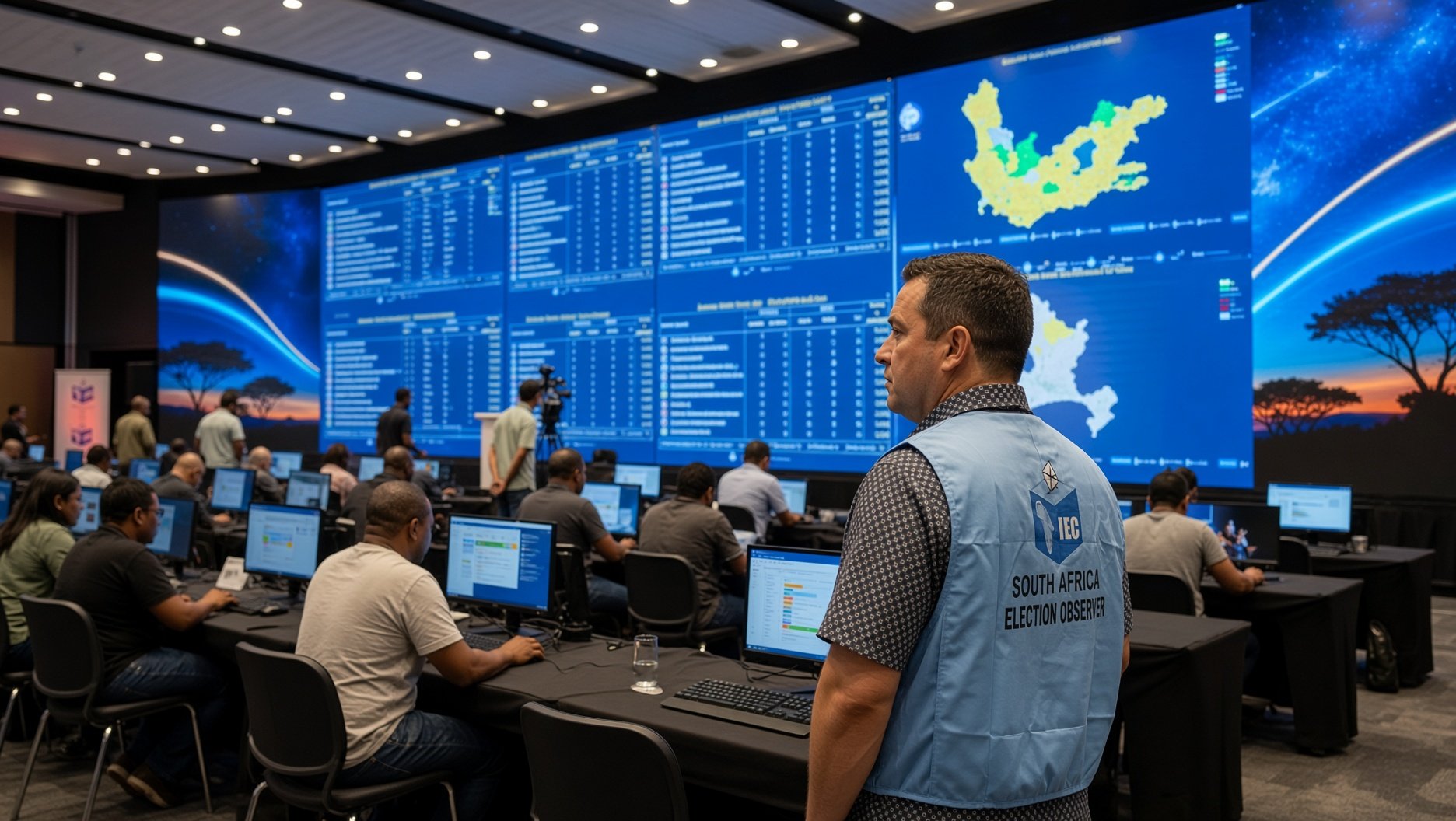
“The conclusion of voting and the subsequent counting process mark an important stage in the electoral process, during which the accuracy of recorded results remains critical to ensuring that the outcome reflects the votes cast by the electorate,” Manganye stated. Formal objections have been submitted, as required by the electoral procedures.
Concerns Over Mass Voter Registrations
The most prominent case raising eyebrows involves a household in Tembisa, allegedly associated with an ActionSA councillor candidate, where 126 voters are registered at a single residential address.
“There is no house with 126 people living in one house; this is a sign of corruption, and IEC officials have participated in this irregularity,”
said Collen Malatji, president of the African National Congress Youth League (ANCYL).
Reports also cite even higher numbers elsewhere, including more than 1,000 voters registered at a single address in Sebokeng and non-residential locations such as a supermarket and a hospital appearing as official addresses for registrants. These unusual patterns have triggered broader concerns about the integrity of the registration process.
Calls for Electoral Reform
Malatji further criticized the accuracy of recent election results in Johannesburg, claiming inconsistencies during recounts and data capturing. He also highlighted issues with the current Public Representation (PR) system, arguing that it undermines democratic representation.
“The current system creates a situation where political [parties] and individuals can be disadvantaged despite securing electoral support,”
Malatji said, suggesting that the system may punish winners rather than reward those who have received a clear mandate from voters.
Wider Implications and Next Steps
The objections raised in Johannesburg mirror complaints in other municipal regions. Reports indicate the ANC’s Gauteng province and the Sedibeng branch are similarly considering legal action over registration anomalies and questionable address use, such as supermarkets and hospitals being listed by numerous voters.
Electoral Court Proceedings
As the ANC and its youth league pursue the matter in the Electoral Court, the spotlight is now on the IEC’s handling of voter registration and result capturing. The outcome of these objectionsand any potential reforms that may followcould have lasting impacts on future electoral processes and public trust in democratic institutions.
Why Address Irregularities Matter
Accurate and up-to-date voter registration is essential to maintaining the credibility of any election. When large numbers of voters are linked to unlikely addresses, it can raise suspicions of manipulation, electoral fraud, or administrative oversight. Such cases typically prompt audits, official investigations, or legal challenges aimed at preserving the legitimacy of outcomes.
Public confidence in elections hinges not only on logistical efficiency but also on transparency and the perception that each vote reflects the will of an eligible individual. The ANC’s objections highlight the expectation for electoral bodies to swiftly resolve discrepancies to sustain that trust.
The Broader Context
Electoral systems in democracies around the world periodically face challenges regarding registration accuracy and result management. Reform proposals often emerge after periods of significant dispute, focusing on verifying addresses, tightening registration checks, and improving technology for vote counting.
The outcome of the current court process may influence the structure and oversight of elections in South Africa for years to come. As the case unfolds, political parties, officials, and the general public alike will be watching closely for measures that safeguard fairness and accuracy in the nation’s democracy.
Follow Joburg ETC on Facebook, Twitter, TikTok and Instagram
For more News in Johannesburg, visit joburgetc.com
Source: citizen.co.za